GWO Annual Report 2025: Skills at Scale for the Energy Transition
Now in its seventh edition, GWO’s Annual Report looks back on the collective efforts of the community and how key strategic initiatives are supporting standardised workforce training for the energy transition.
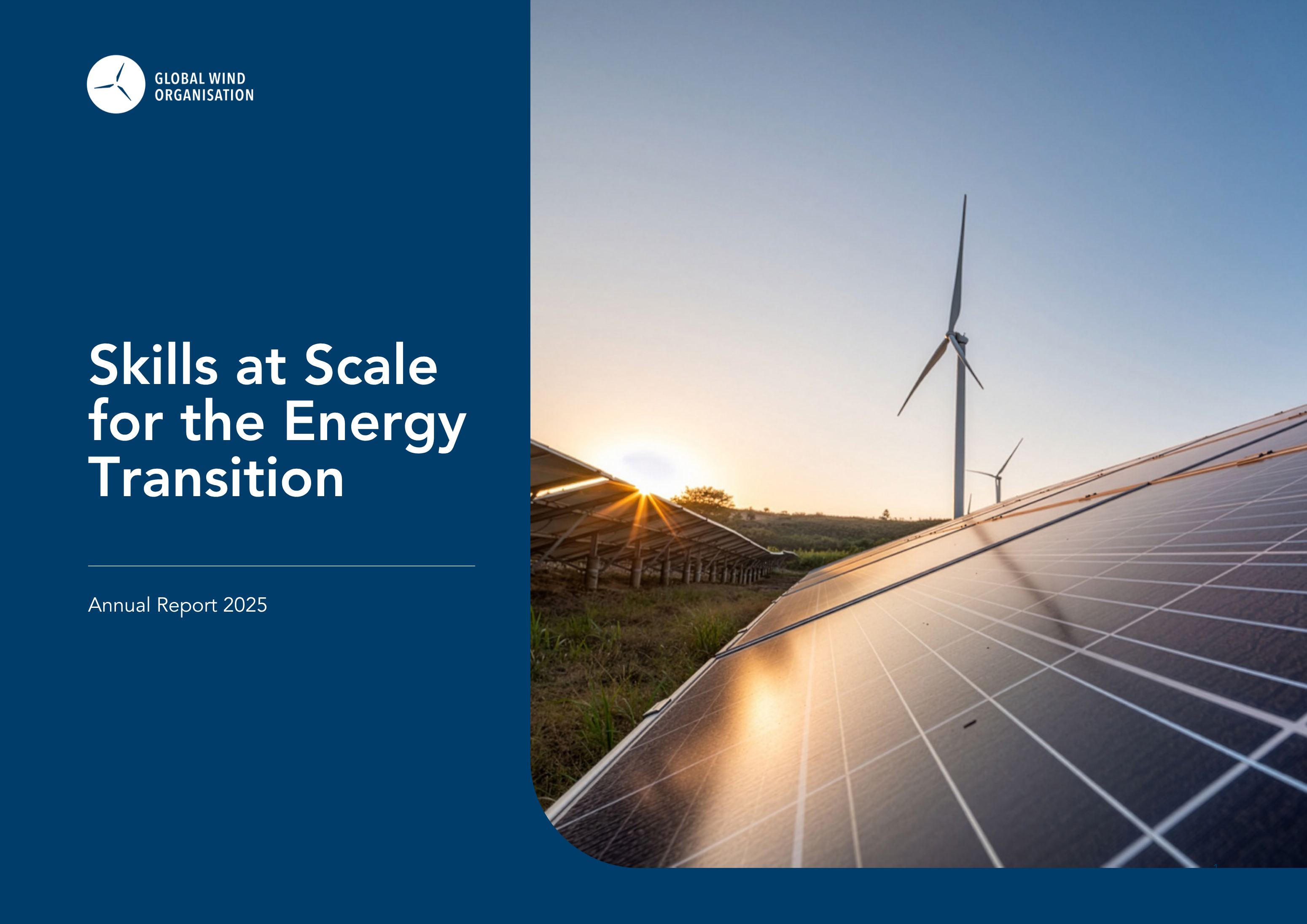
With 603,575 courses completed by 140,544 technicians across 636 global Training Providers in the past year, the Annual Report 2025 confirms a trend towards a more highly trained workforce. This year’s report addresses skills at scale for the energy transition, reflecting on progress made towards solving the energy workforce challenge through standardised training across the wind and solar industries.
Highlights of the Annual Report 2025 include:
• 15.2% increase in the total number of Course Participants trained, reaching 140,544 by the end of 2025;
• 13.5% increase in the total number of Training Modules delivered in 2025, reaching 603,575 modules by the end of 2025;
• 4.6% increase in Modules per Participant uploaded, with Course Participants holding 6.16 GWO training records on average by the end of 2025;
• Launch of three core workforce development pathways: Jobs4RE, Job Roles and REcognition;
• Release of the Global Solar Training Standards, partnership with GSC and launch of the Solar Training Committee with Dennis Elsberg, Vice President of HSQE and Competence Management Global Services at RES, as its Chair.
Jakob Lau Holst, CEO of GWO, remarked:
As we look back on the past year, we would like to express our sincere gratitude to the Audit & Compliance Committees, the Board of Directors, the Training Committees and the working group members for making each of our projects possible. Your expert contribution enables us to translate the Workforce ’26 Strategy into action, bringing our community a step closer to leveraging standardised workforce training for the energy transition.
John Barrie, Chair of the GWO Board of Directors, added:
With energy demand continuing to rise and renewed confidence in the long-term value of wind and solar, now is the time to reflect on the progress which has already been made towards mobilising the workforce for the energy transition. The challenge now is execution at scale, as we continue to work collectively to implement the measures that lie ahead to deliver on 2030 targets.
Featured stories
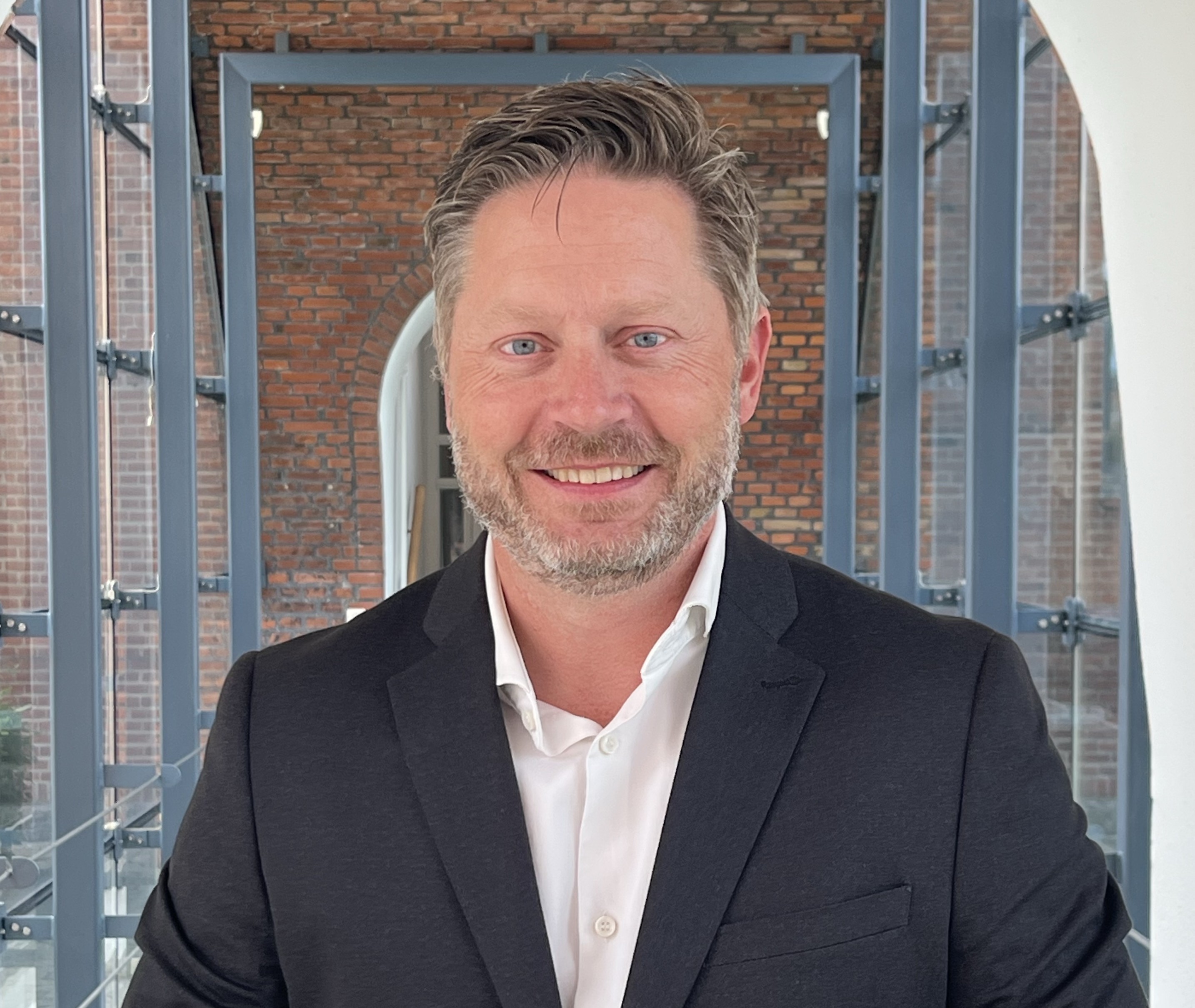
GWO Appoints Alex Øbell Nielsen as Network Development Manager for the Americas
Appointment of experienced professional will assist with furthering the adoption and availability of training standards in the Americas region.
.jpg)
GWO Appoints Morten V. Østergaard as Chief Financial Officer
The appointment of our first Chief Financial Officer (CFO) strengthens GWO's financial governance and provides a robust foundation for the next phase of transformation and growth

One week left to register for Forum ‘26
Don’t miss your chance to engage with the people and ideas shaping the future of the wind and solar industries.
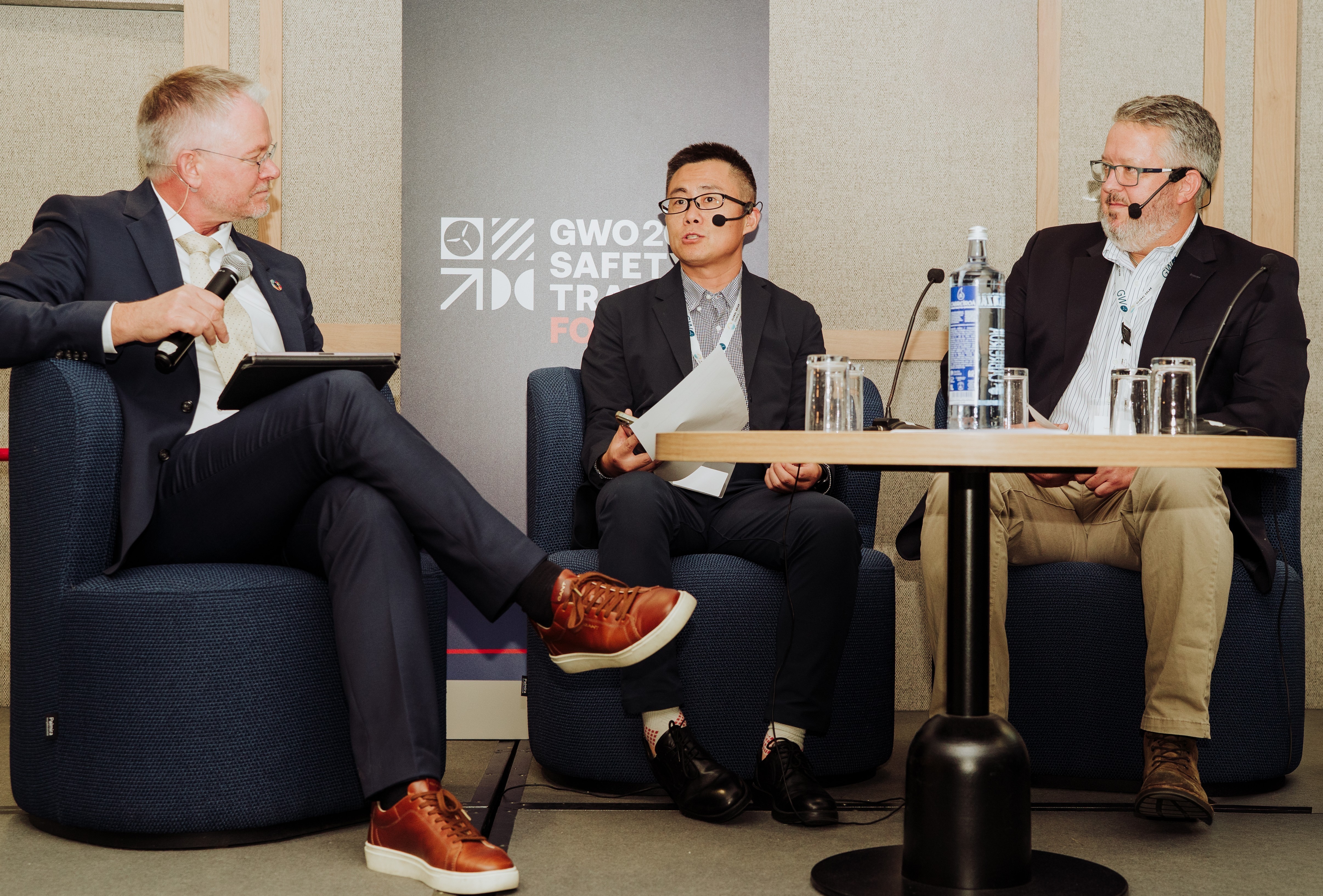
Strategy 2030: GWO Members’ Voices at Forum ’26
As we approach the GWO Safety & Training Forum & Awards 2026, learn more about what’s next for GWO’s workforce development agenda in the opening session of this year’s programme.

GWO Standards Update: Six-Month Grace Period Ends 10 September 2026
Important updates to GWO Training Standards come into full effect on 10 September 2026.
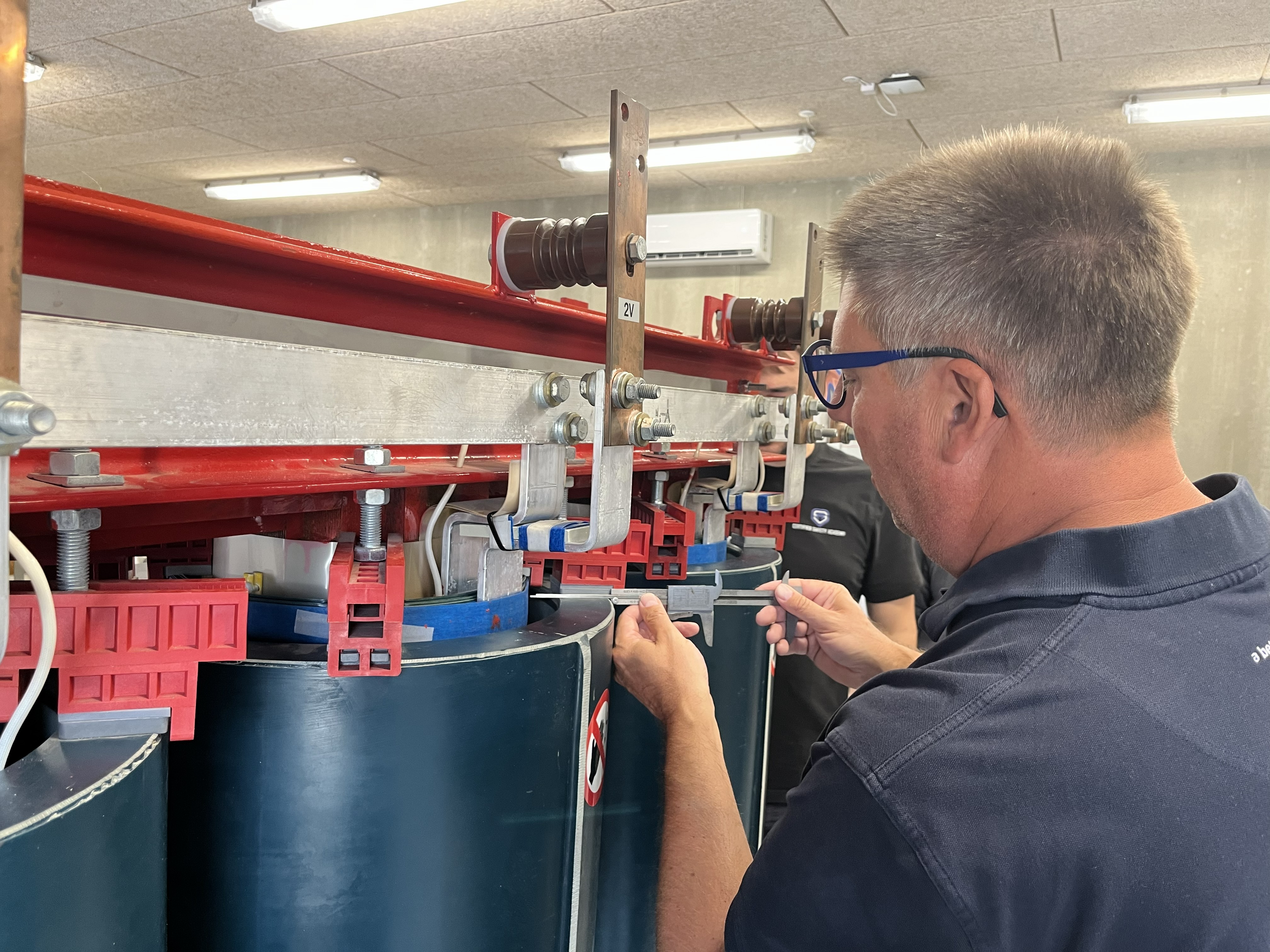
Final Round of Pilots for New High Voltage Modules Reaches Completion
GWO has completed the final pilot of its new High Voltage T-Connector Installation and Transformer Maintenance modules, with feedback from four pilots now set to inform the final training content ahead of release later this year.