Workforce Development Discussions at WindEurope 2026 Confirm a Growing Demand for Competence Through Standardised Training
Read about GWO's contributions to WindEurope 2026 and the important industry discussions on workforce development, skills and safety in support of Europe’s energy transition that took place.
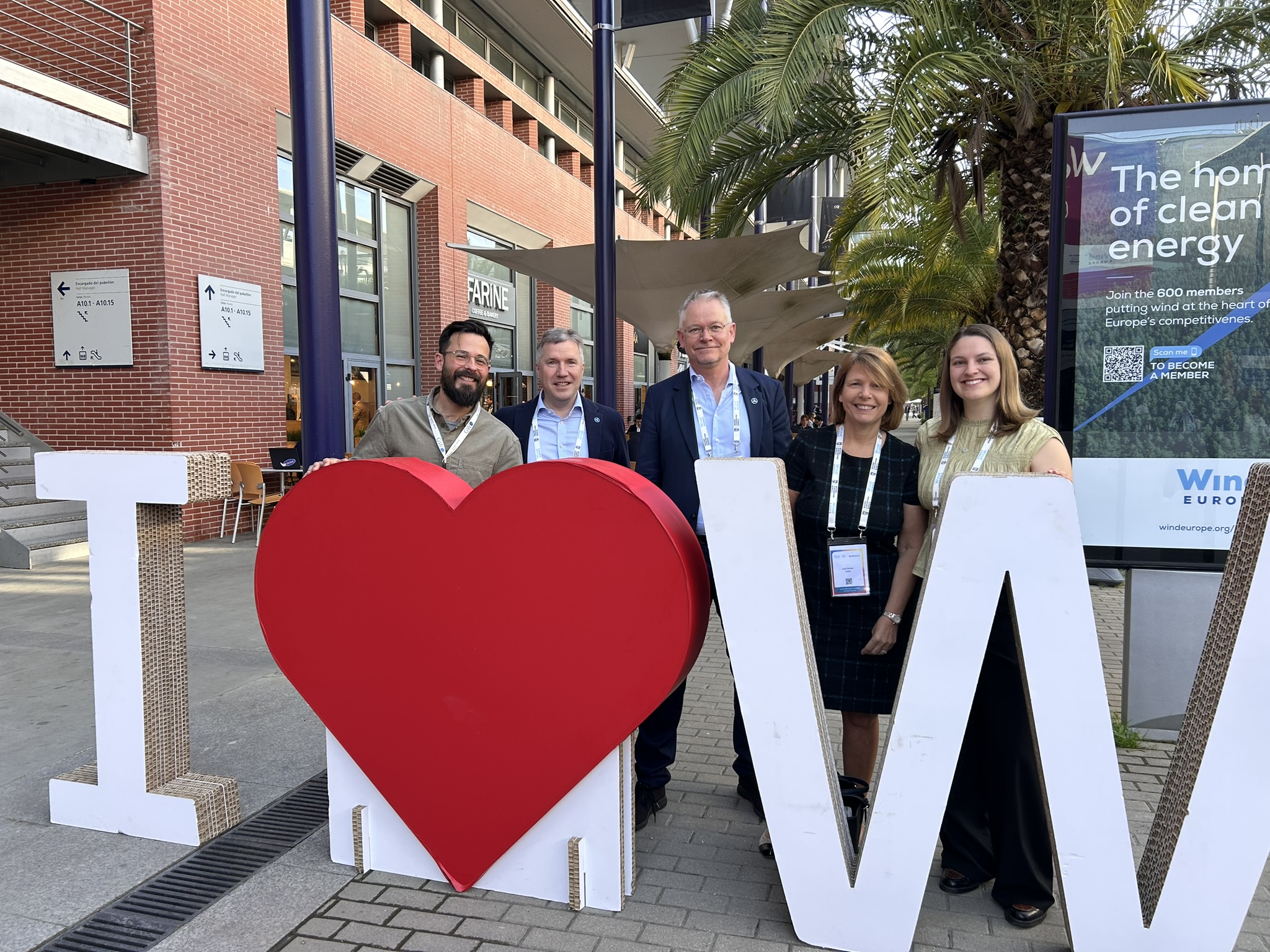
- Faced with surging energy costs in a climate of ongoing geopolitical instability, policy discussions at WindEurope 2026 highlighted that workforce development is a shared priority across the industry for ensuring energy security.
- Five representatives from GWO were amongst the 15,000 + participants from the industry, government and academia, with three members of the team also contributing to panel discussions related to workforce.
Hosted in Madrid, Spain, the home of Europe’s second-largest wind turbine fleet after Germany, WindEurope 2026 saw the theme of workforce development come to the fore. In an era of continued dependence on energy imports in the EU, experts agreed that reducing barriers to entry, supporting the entry and development of talent through apprenticeship pathways, unlocking enhanced cross-border mobility, and improved recognition of national and international competency frameworks, will all be key in ensuring that the workforce is adequately prepared to scale.
This year’s event saw representation from GWO’s Jakob Lau Holst, CEO, Julie Brown, Head of Training Development, Sergei Perapechka, Head of Partnerships & Network Development, Taylor Weddington, Associate Training Project Manager and Eduardo Gonzáles Meneses, Network Development Manager, as they joined peers in panel discussions, presentations and networking sessions.
Delivering on Europe’s Skills Ambition: A Macrolevel Look at Workforce Skilling
In order to keep pace with the growing workforce demand, it is crucial that the industry, governments, training providers and policymakers all work together to industrialise training and workforce development capacity.
At the panel discussion, From Data to Delivery: Building Europe’s Wind Workforce at Scale, this focus on the industrialisation of workforce development formed a key talking point, with conversations moving to solutions including Europe-wide demand for Wind Energy Job Roles, unified training pathways catering to a variety of educational backgrounds and mutual recognition of certifications across Europe to unlock the full potential of the single market in Europe.
During the session, Sergei Perapechka, Head of Partnerships and Network Development at GWO, offered perspectives on questions ranging from the largest barrier to scaling wind skills at speed to harmonising national and international skills certification systems in support of workforce mobility. He was joined by representatives from the European Commission, the Skills Policy Unit, Government of Ireland and GWO member, RES.

Moving into Wind: Supporting Entry into the Workforce Through Vocational Pathways
In parallel to conversations on scaling Europe’s workforce through policy, government and industry initiatives, the Presentation and Panel Discussion on Vocational Students’ Opportunities (Internships and More) considered the practical steps Spanish vocational students need to take in order to gain employment in the wind energy sector. Taking the floor at this session alongside panellists from GWO member RES and the Spanish Wind Energy association, Taylor Weddington, Associate Training Project Manager at GWO, shared her first-hand experience of her journey into wind, having initially entered the industry as a student.

Central to Taylor’s presentation were the role of the GWO Entry Level Framework in supporting a baseline level of knowledge and competence for workforce, as well as how GWO training pathways fit into the future careers of incoming vocational students. From skills and attitudes of value to employers to common challenges and barriers to entry which students face, and how to overcome them, the panel discussion then consolidated practical insights and recommendations for students considering a career in the wind industry.
From Training to Competence: Ensuring a Consistent Baseline of Skills for the Workforce
While macro-level skilling and entry-level vocational pathways are two strategic powerhouses for workforce development, the role of continuous skilling and competence management to maintain the skills needed to meet energy demand cannot be underestimated. At the panel session Health & Safety Re-Imagined – Eliminating Serious Incidents and Fatalities Through Effective Safety Leadership and Fit-for-Purpose Approaches, Julie Brown, Head of Training Development, joined the panel to discuss the role of training, competence and leadership in ensuring the highest level of worker safety onsite.

Joining Julie on the panel were representatives from ERM sustainability consultancy, OSRL and CAVU International. A key theme which emerged from the discussion was the distinction between training and competence, with training being only the starting point of professional development and competence as the outcome. Panellists concurred that completing a course does not automatically result in competence; rather, maintaining workforce competence relies on structured on-the-job learning, ongoing assessment and robust competence frameworks.
This session highlighted the core role of standardised training, such as those offered by GWO, in providing the foundation on which employers and training providers can develop and maintain industry-recognised competence over time.
The GWO team would like to thank all panellists, WindEurope and session contributors for the challenging and insightful discussions on workforce development for the wind industry.
Want to continue the workforce skills and competence conversation with us?
Featured stories
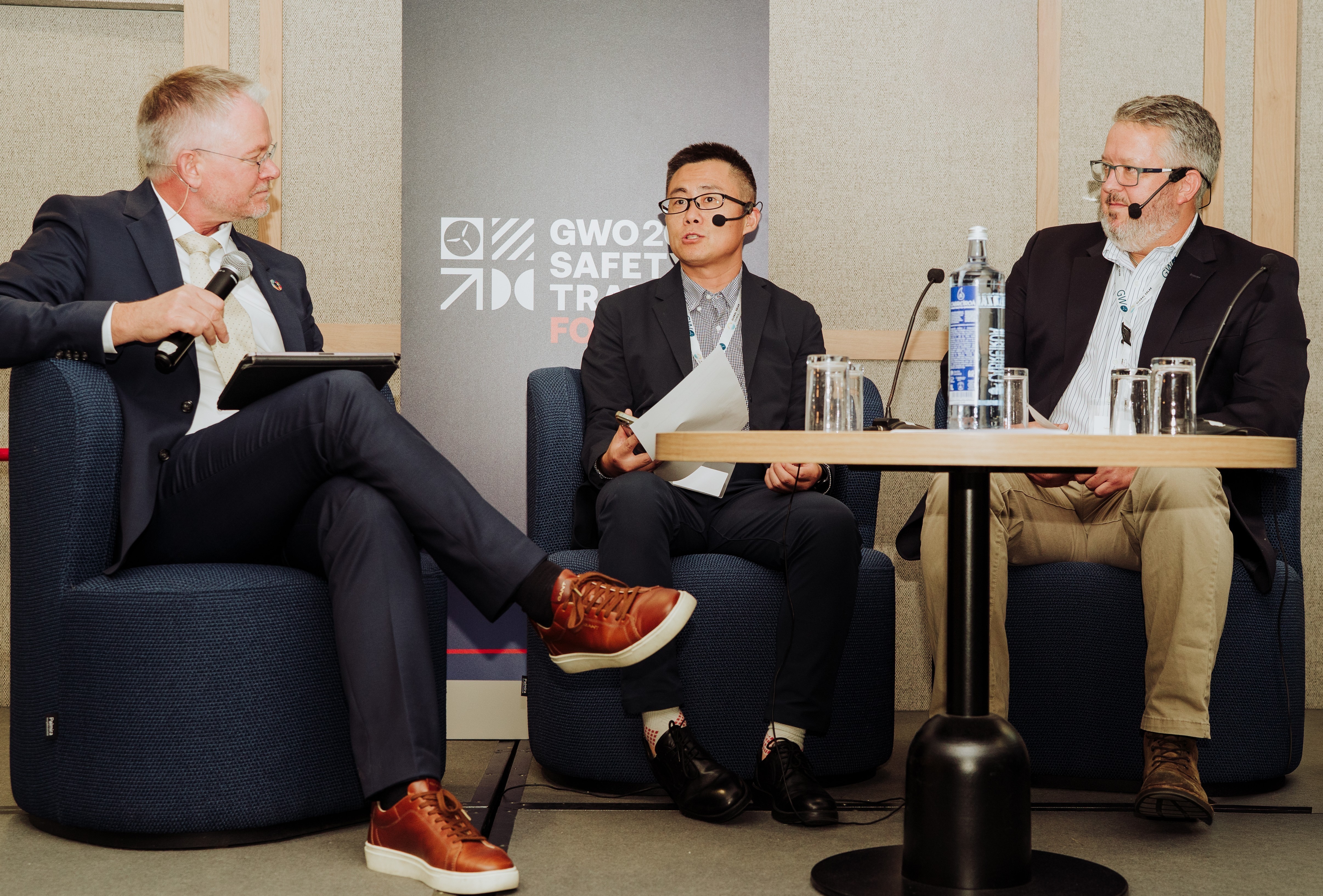
Strategy 2030: GWO Members’ Voices at Forum ’26
As we approach the GWO Safety & Training Forum & Awards 2026, learn more about what’s next for GWO’s workforce development agenda in the opening session of this year’s programme.

GWO Standards Update: Six-Month Grace Period Ends 10 September 2026
Important updates to GWO Training Standards come into full effect on 10 September 2026.
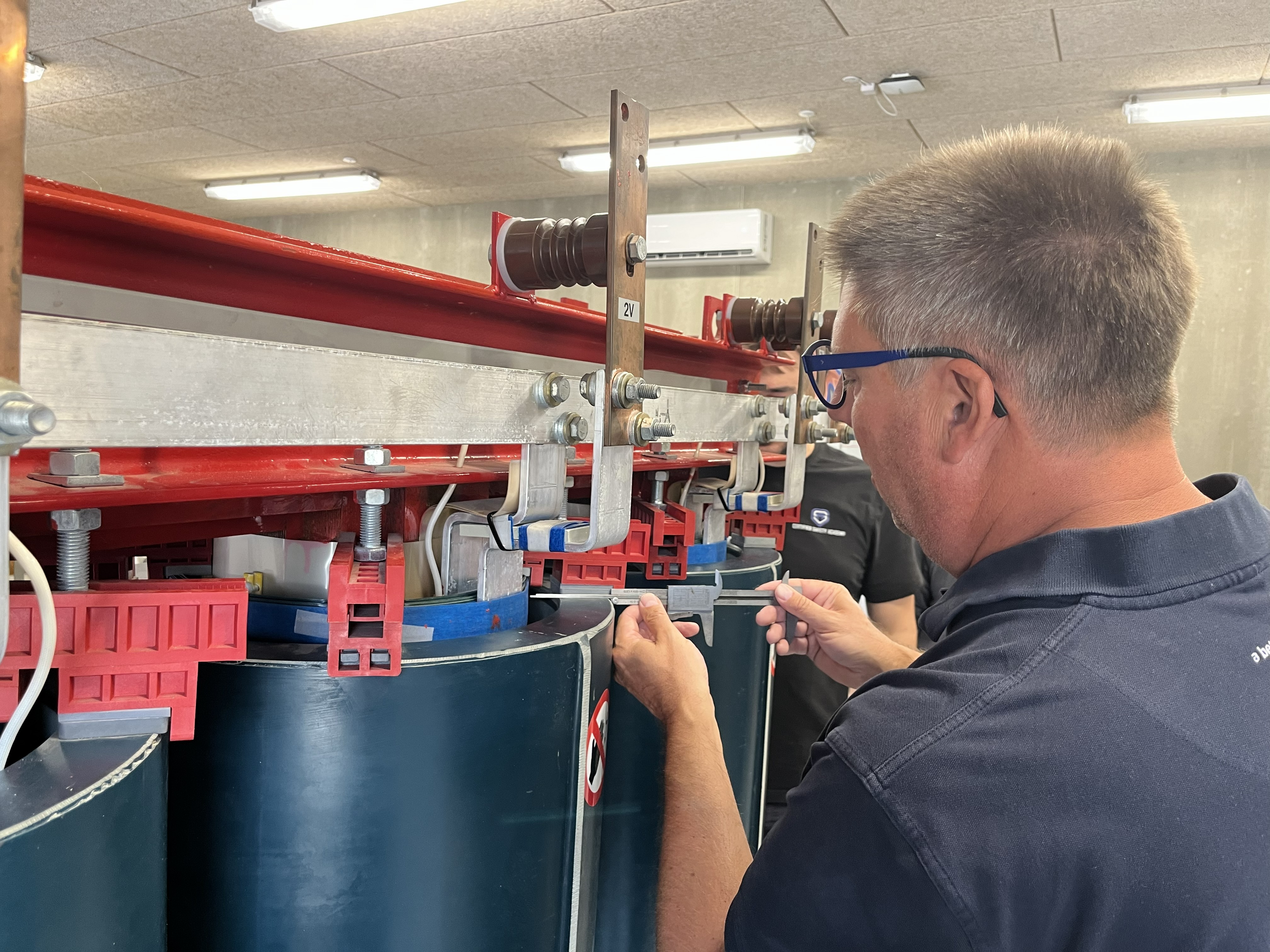
Final Round of Pilots for New High Voltage Modules Reaches Completion
GWO has completed the final pilot of its new High Voltage T-Connector Installation and Transformer Maintenance modules, with feedback from four pilots now set to inform the final training content ahead of release later this year.
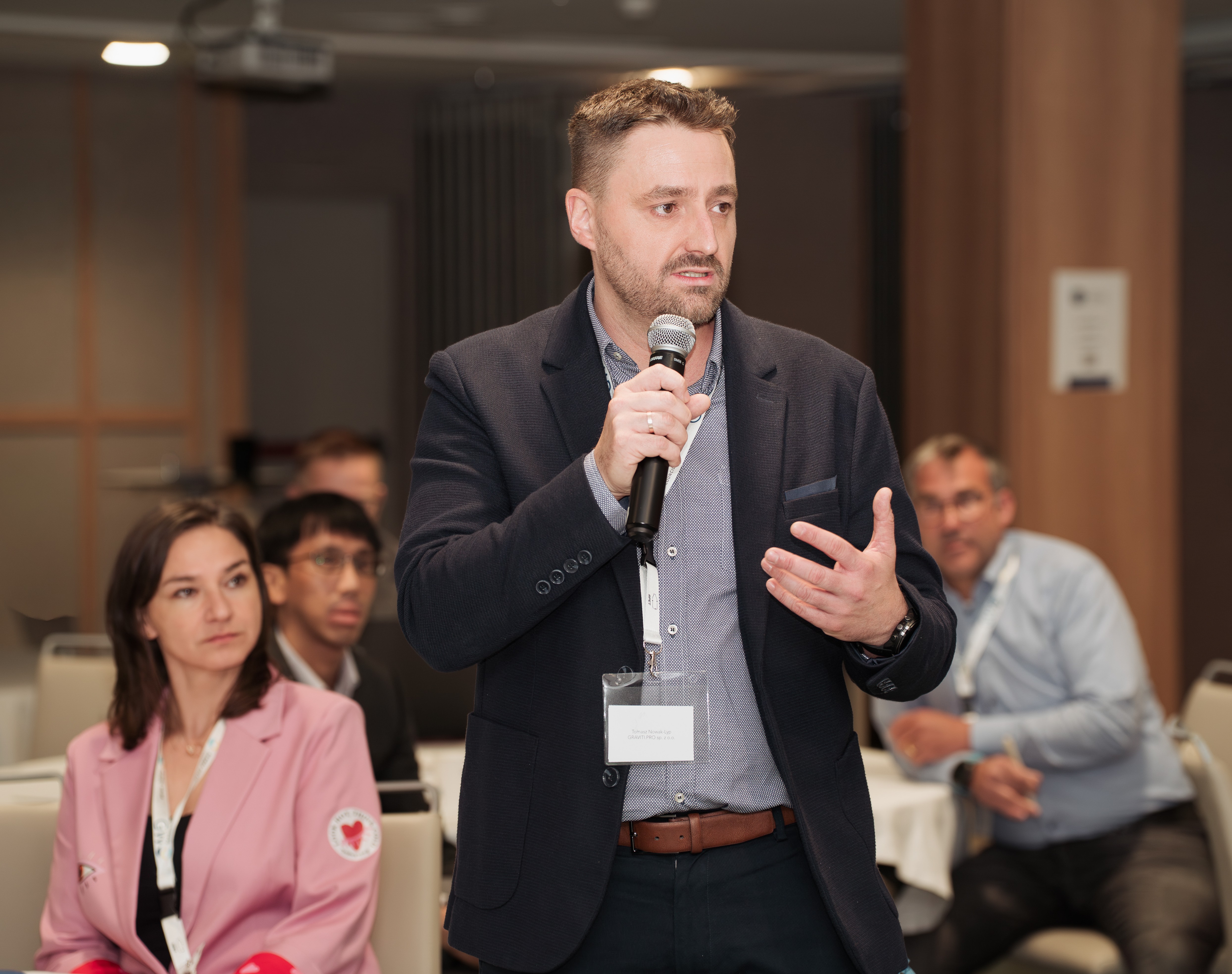
Forum ’26: Clarifying Competence for an Evolving Workforce
Explore what competence means in practice in a member-led conversation at the GWO Safety & Training Forum & Awards 2026.
Put Your Products in Front of the Wind & Solar Safety Community
Get your equipment in front of the industry at the GWO Safety & Training Forum in Paris.
Celebrating Excellence: Meet the 2026 GWO Instructor of the Year Finalists
Meet the outstanding talent in our 2026 Instructor of the Year shortlist!