Mapping the Workforce Shift: Demand for New Technicians Rises as Germany Prepares for the Energy Transition
As Europe’s largest economy and wind market, Germany has entered a decisive phase in its energy transition, leveraging wind power to strengthen industrial competitiveness, increase energy autonomy, and ensure long-term energy security.
In 2023, Germany elevated renewable energy to the status of an “overriding public interest" through amendments to its Renewable Energy Sources Act. And its wind market has continued to gain momentum since. Though total utility-supplied electricity output remains nearly 20% below the all-time peak set in 2017, the rapid rise in combined output from wind and solar farms by 72% in the past 9 years is seeing total electricity supply make gains that have not been seen for several years.
This increase in renewables-generated output is supplying low-cost electricity to the grid, contributing to supply stability and improved wholesale power prices since their peak in 2022.
As the country accelerates efforts to meet its 2030 target to derive at least 80% of its electricity consumption from renewables, onshore and offshore projects are expanding rapidly, driving demand for workforce across the value chain, particularly within construction, installation, operations, and maintenance.
New Capacity Confirms Upward Trajectory for Wind
2025 saw yet another record-breaking year for new wind capacity in Germany, with 5.7 GW installed. According to the Global Wind Workforce Outlook 2025-2030, published in collaboration with the Global Wind Energy Council, 2024 had already seen results which reflected the impact of legislative decisions to put wind at the centre of the national energy agenda. These changes reduced administrative obstacles and lead to faster permitting decisions, with nearly 11 GW of new onshore capacity awarded in tenders, a 70% increase on 2023.
By early 2026, the German Wind and Solar Agency reported that a total of 958 new onshore wind turbines, with a combined capacity of 5,232 MW, were commissioned in 2025, a 51% increase in gross installations compared with the previous year. A robust national auction schedule, Power Purchase Agreement (PPA) uptake, and the introduction of the Wind Energy Area Requirement ACT (WindBG) in 2022 have all played a role in enabling the continued expansion of current and future onshore and offshore projects.
Steady Increase in Installations Sets Demand for New Technicians
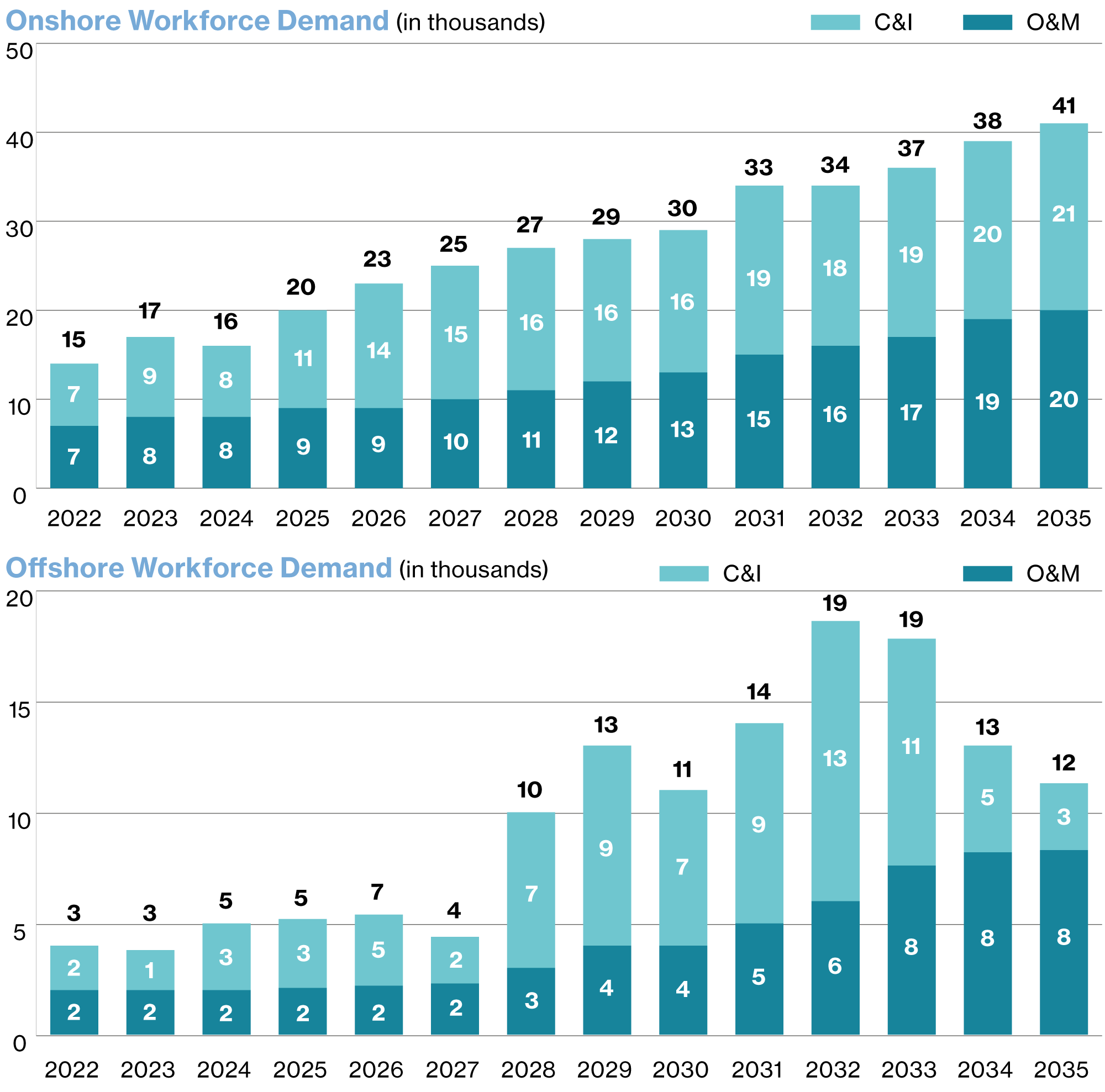
As project deployment advances, and Germany is expected to lead regional market growth for new onshore and offshore installations up to 2029, a significant rise in demand for new technicians is expected. According to the Global Wind Workforce Outlook 2025-2030, onshore workforce demand is set to rise from approximately 23,162 to 27,347 technicians per year from 2026 to 2028, and continuing to grow to nearly 41,000 technicians by 2035. In parallel, offshore workforce demand is expected to sustain an even sharper increase, peaking from 10,000 technicians in 2028 to over 19,000 in 2032-2033, before easing to around 11,500 by 2035, as the market moves towards the operations and maintenance stage of projects, following new installation phases.
Responding to Workforce Demand with a Robust Skills Ecosystem
As Germany prepares to consolidate its leadership in the European wind market, a strong and adaptable approach to workforce skilling will be required. Bolstered by a range of education options for entry into technician roles, including technical universities, as well as vocational institutes and dual apprenticeships schemes, the country already has a strong foundation for new talent. Furthermore, specialised training providers such as the BZEE, an education centre for renewable energy, will support the practical upskilling needed for field and maintenance roles. In offshore wind, training in marine engineering, naval architecture, and offshore operations are equally well-resourced, supported by several training centres. Examples are OffTEC and Deutsche Wind Guard, which train technicians in working with heavy-lift operations, subsea cable installation, and managing offshore logistics chains. Whether onshore or offshore, one matter remains to be considered: Germany’s strong track record in educational training pathways for wind will ultimately require continued policy stability and rapid workforce and skills development.
Want to discover more about workforce demand in other global regions?
About GWEC
GWEC is a member-based organisation that represents the entire wind energy sector. The members of GWEC represent over 1,500 companies, organisations and institutions in more than 80 countries, including manufacturers, developers, component suppliers, research institutes, national wind and renewables associations, electricity providers, finance and insurance companies.
Find us at: https://gwec.net/.
Follow us on LinkedIn and Instagram.
Contact
Alex Bath, Communications Director, alex@bath.gwec.net
About GWO
GWO is a not-for-profit industry association founded and owned by its members who are drawn from globally leading renewable energy manufacturers, owners and operators. Our members strive for an injury free work environment, setting common international standards for safety training and workforce development. Since 2012, GWO training standards have become widely adopted by wind industry employers, seeking quality, safety and reassurance for their technicians in construction, installation, operations and maintenance around the world. GWO's 2025 Annual Report showed more than 190,000 technicians are trained according to GWO Standards.
GWO member companies
Acciona Energia, Avangrid, BayWa r.e, CGN Wind Power, Copenhagen Offshore Partners, CORIO Generation, CRRC, Dominion Energy, ENERCON, Envision, Equinor, Eurus Energy, FairWind, GE Renewable Energy, Global Wind Service, Goldwind, Muehlhan,The Nordex Group, Northland Power, Ocean Winds, Ørsted, Pattern Energy, Qair, RES Group, RWE Renewables, Shanghai Electric, Skyborn Renewables, Siemens Gamesa Renewable Energy, SSE, TAKKION, Vattenfall and Vestas.
Media Contact Details
Sara Bastholm, Head of Communications
sb@globalwindsafety.org
Featured stories
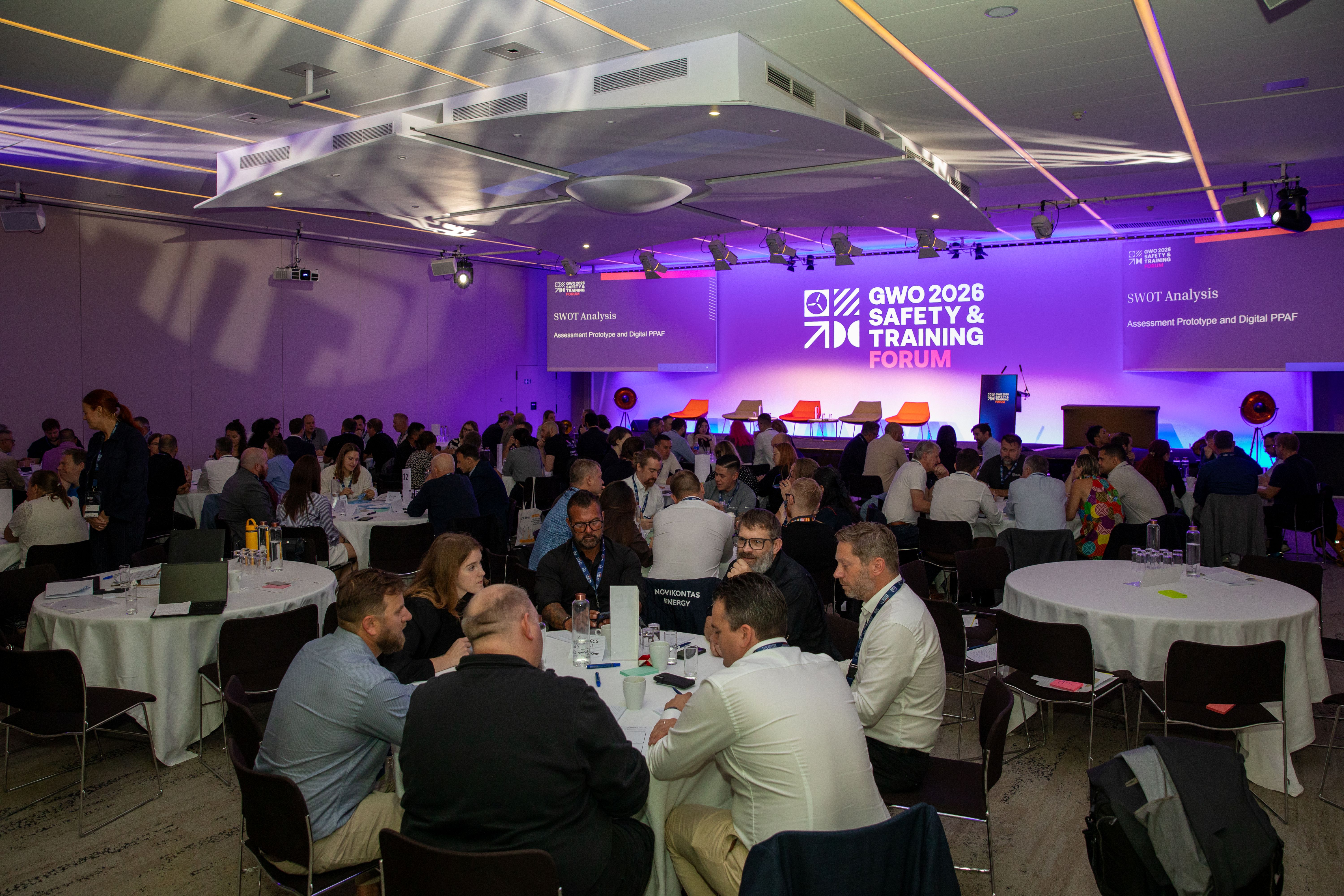
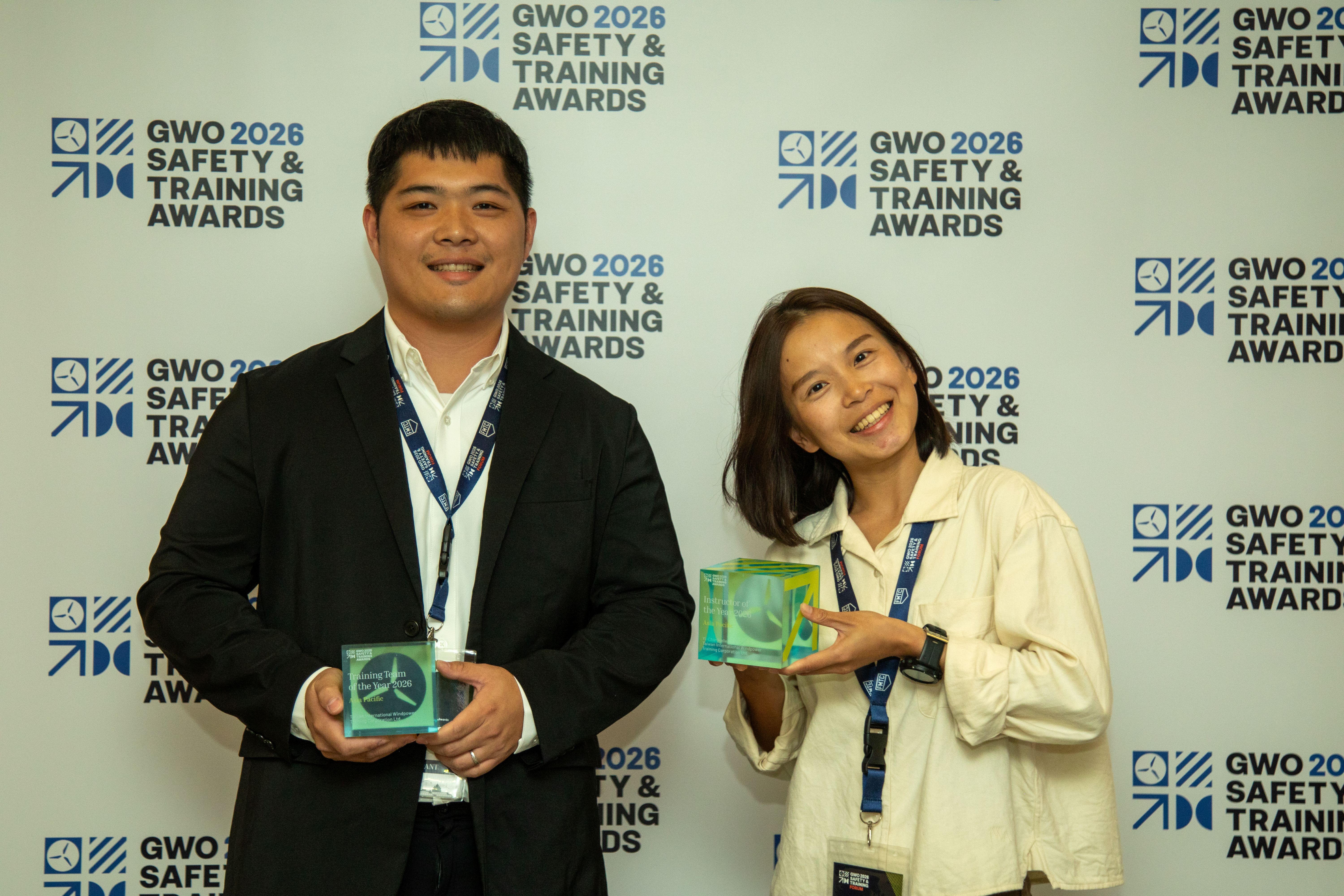
GWO Safety & Training Awards Winners Unveiled in Paris
At the fifth edition of the Awards, this year’s winners took to the stage following the most closely contested competition to date.
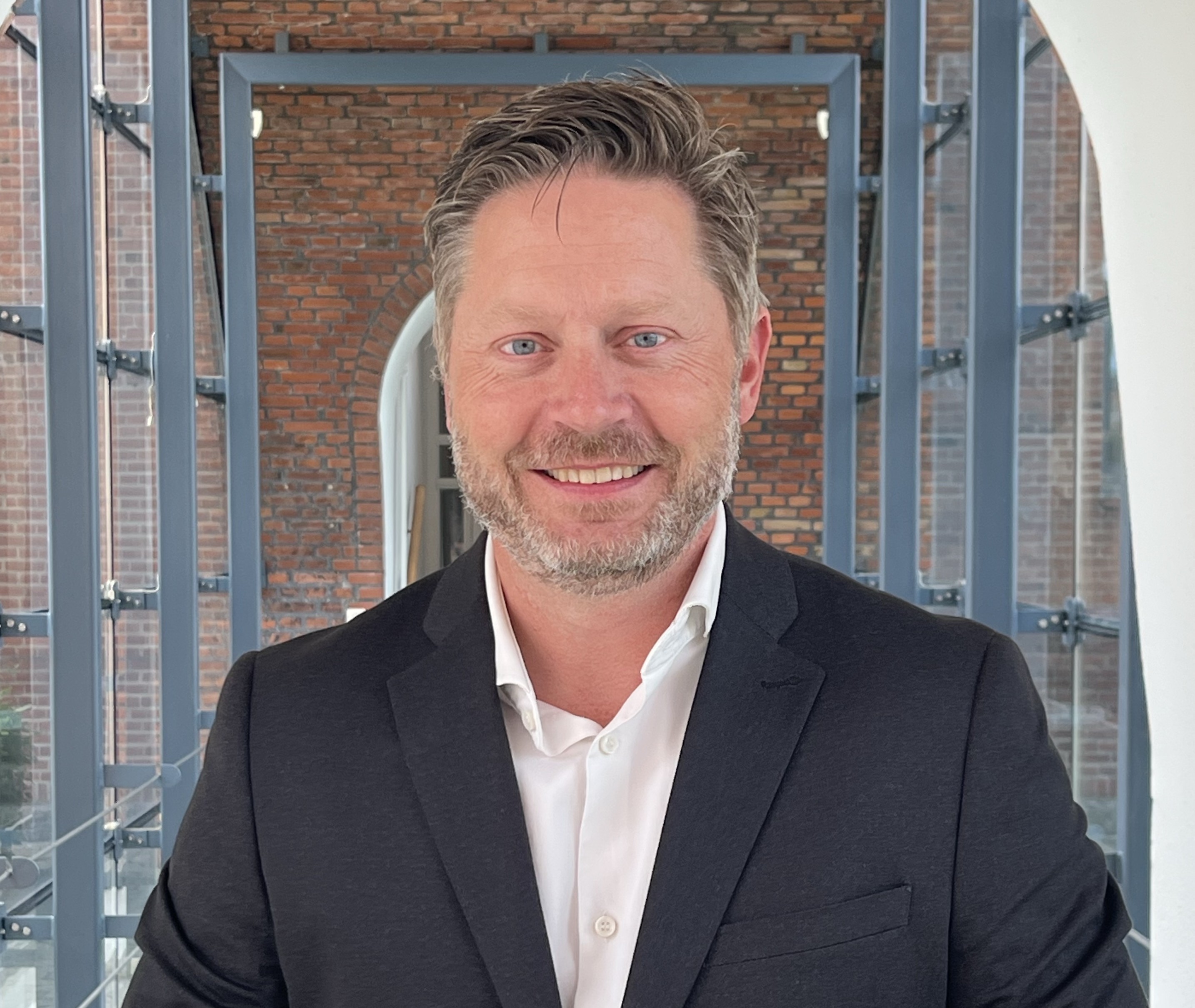
GWO Appoints Alex Øbell Nielsen as Network Development Manager for the Americas
Appointment of experienced professional will assist with furthering the adoption and availability of training standards in the Americas region.
.jpg)
GWO Appoints Morten V. Østergaard as Chief Financial Officer
The appointment of our first Chief Financial Officer (CFO) strengthens GWO's financial governance and provides a robust foundation for the next phase of transformation and growth

One week left to register for Forum ‘26
Don’t miss your chance to engage with the people and ideas shaping the future of the wind and solar industries.
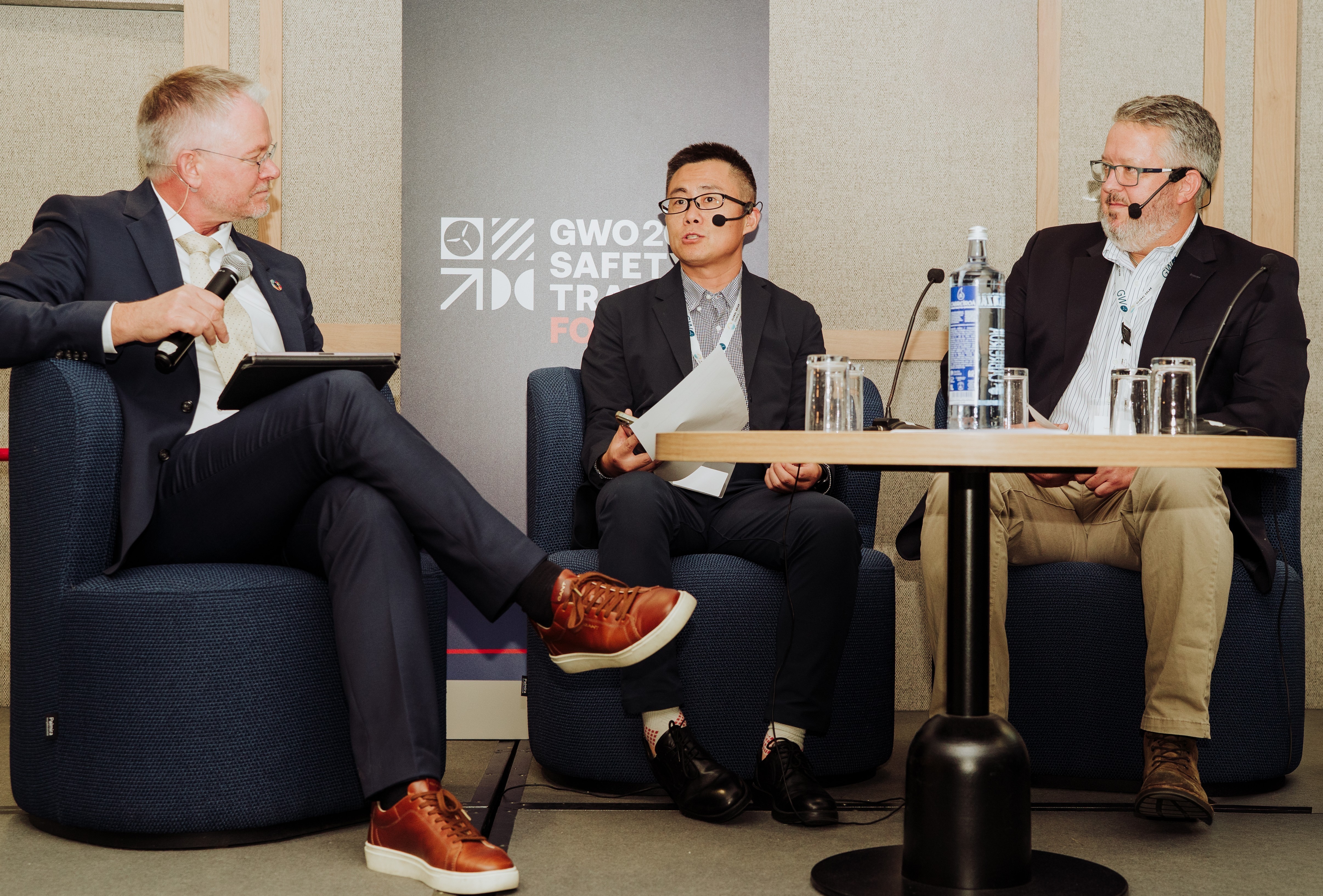
Strategy 2030: GWO Members’ Voices at Forum ’26
As we approach the GWO Safety & Training Forum & Awards 2026, learn more about what’s next for GWO’s workforce development agenda in the opening session of this year’s programme.