From Ambition to Execution: Workforce Readiness Emerges as a Defining Challenge at GWEC APAC Wind Energy Summit 2026
GWO joined industry leaders in Hanoi to explore how cross-border cooperation and workforce development can accelerate wind deployment across Asia and Oceania.
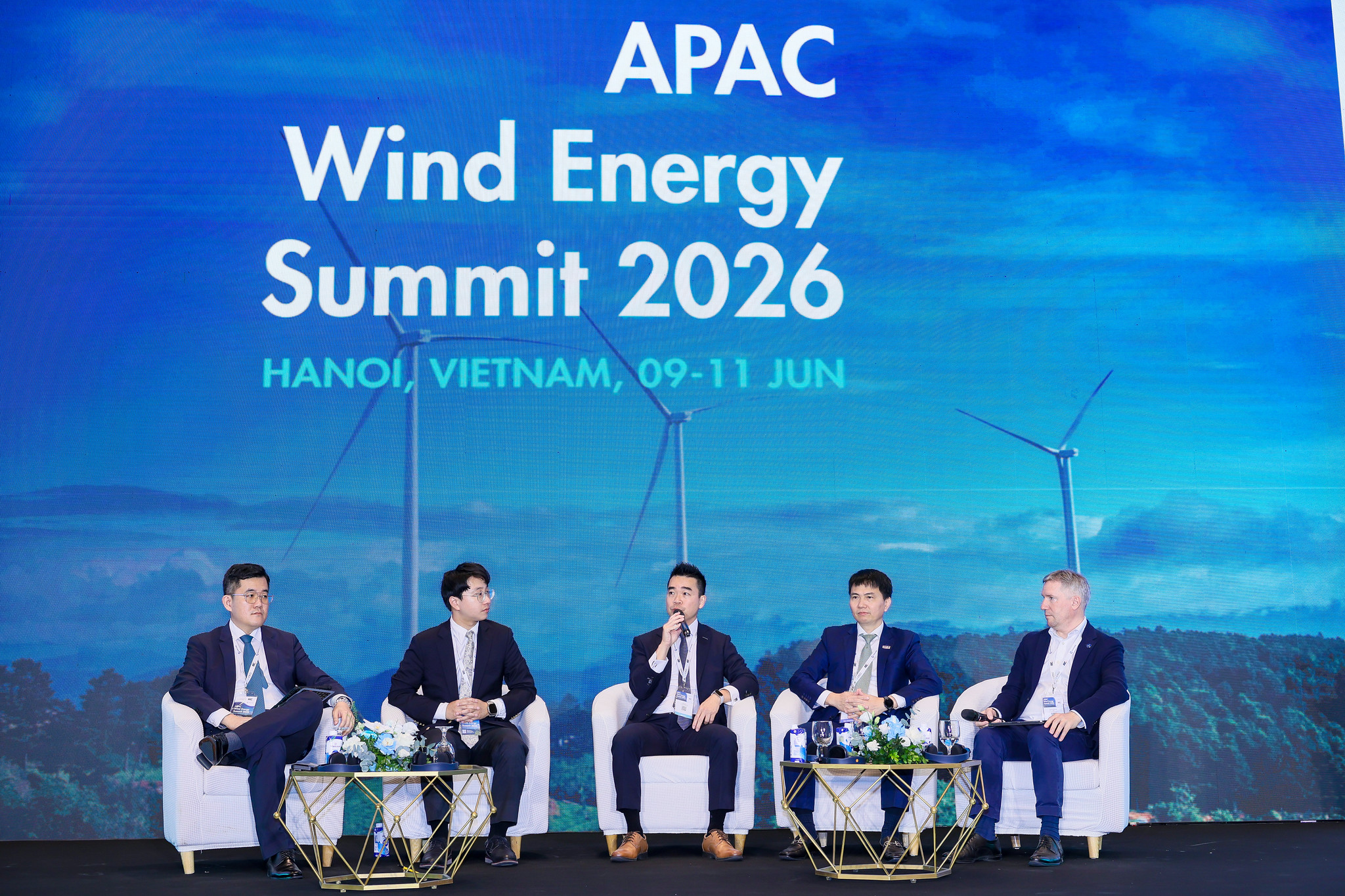
GWO recently attended the GWEC APAC Wind Energy Summit 2026 in Hanoi, which brought together more than 1,500 participants from across the wind industry to focus on a shared challenge: turning high-level ambition into execution.
With strong participation from CEOs, ministers, policymakers and industry leaders, the summit reflected the increasing urgency to move beyond targets and announcements toward practical delivery models that can support large-scale renewables deployment.
Discussions focused on the enabling conditions required for growth, including investment frameworks, regional supply chains, grid readiness, and the increasingly important theme of workforce development.
Workforce Readiness Must Scale Alongside Market Growth
During the event, GWO’s Head of Stakeholder Relations, Sergei Perapechka, participated in the session Regional Supply Chain Cooperation: Identifying Priority Cross-Border Cooperation Opportunities, which discussed translating evidence, market analysis, and country experience into a focused set of cross-border cooperation opportunities that can accelerate wind deployment across Asia and Oceania.
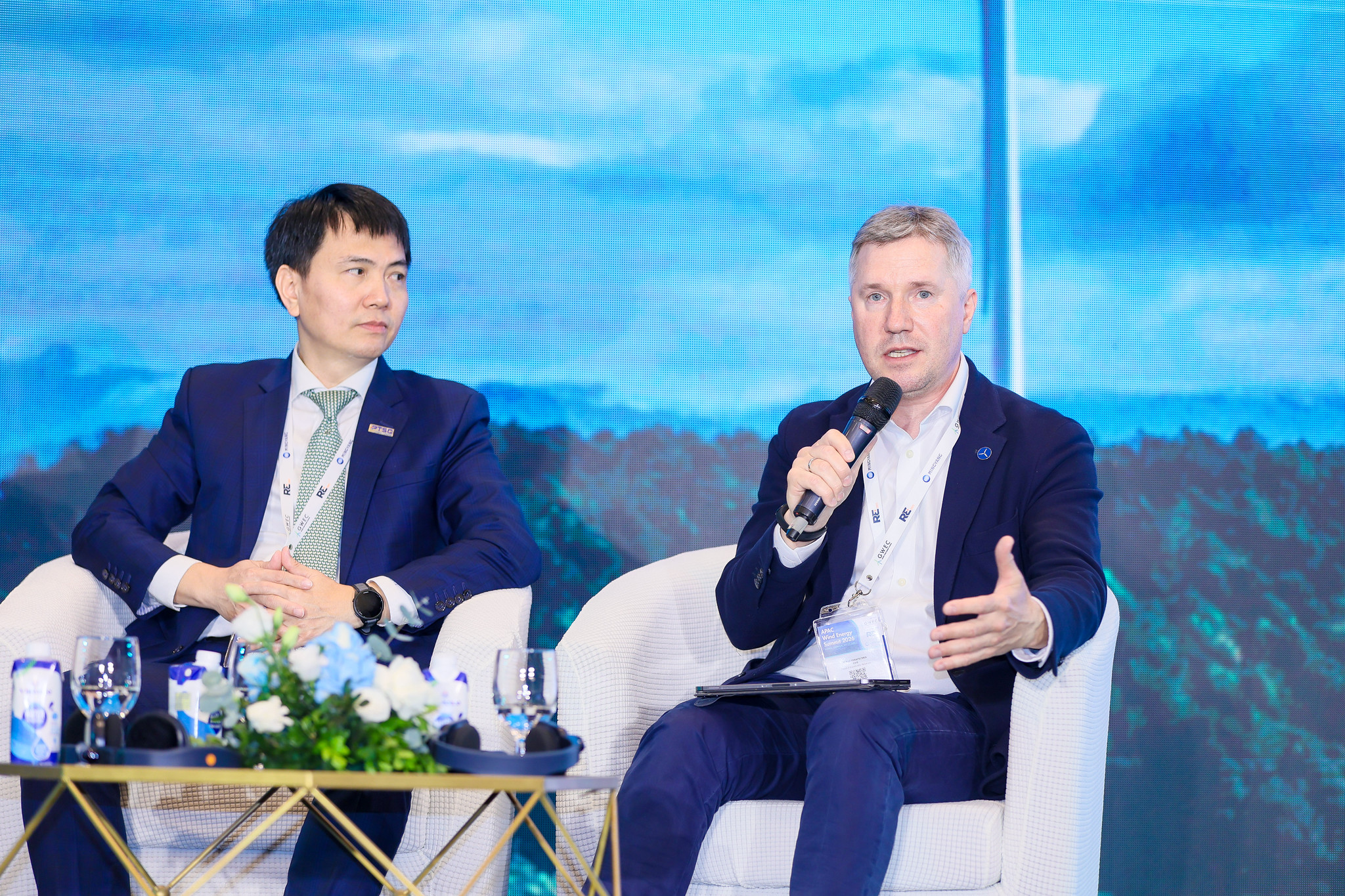
Together with leading voices representing government, industry and regional development organisations, the session explored a practical question facing every growing wind market:
How do we build a workforce that is both large enough and skilled enough to deliver projects at the pace required?
The discussion recognised that workforce availability is becoming a critical delivery risk across many markets. Competition for skilled labour extends not only across national borders but increasingly across renewable sectors.
Several key themes emerged:
- Creating training capacity quickly enough to meet deployment timelines
- Positioning wind as an attractive long-term career pathway
- Maintaining training quality and safety standards while scaling delivery
- Building a more diverse and representative future workforce
- Greater alignment between national and international certification schemes for skills & competences
The conclusion was clear: workforce development cannot be treated as a downstream activity. Instead, it must be integrated into industrial planning from the beginning.
Building a Repeatable Model for Emerging Markets
The conversations in Hanoi reinforced an increasingly visible trend across Asia and Oceania. As governments accelerate offshore and onshore wind ambitions, success will depend on more than project approvals, supply chains and financing. It will require practical systems that enable people to enter, train, and progress within the industry.
Cross-border alignment on skills, training quality and workforce standards may become as important as alignment on infrastructure and investment.
Strengthening Collaboration Across the Region
Beyond the formal programme, the summit also demonstrated the value of industry collaboration in practice.
Events like the GWEC APAC Wind Energy Summit continue to play an important role in connecting strategy with implementation and creating space for partnerships that support long-term market development.
For GWO, the conversations in Hanoi reinforced a conviction that lies at the heart of our mission: the energy transition will ultimately be delivered by people.
Supporting access to safe, high-quality and internationally recognised workforce pathways will remain essential to enabling sustainable growth across the global wind industry.
Featured stories

One week left to register for Forum ‘26
Don’t miss your chance to engage with the people and ideas shaping the future of the wind and solar industries.
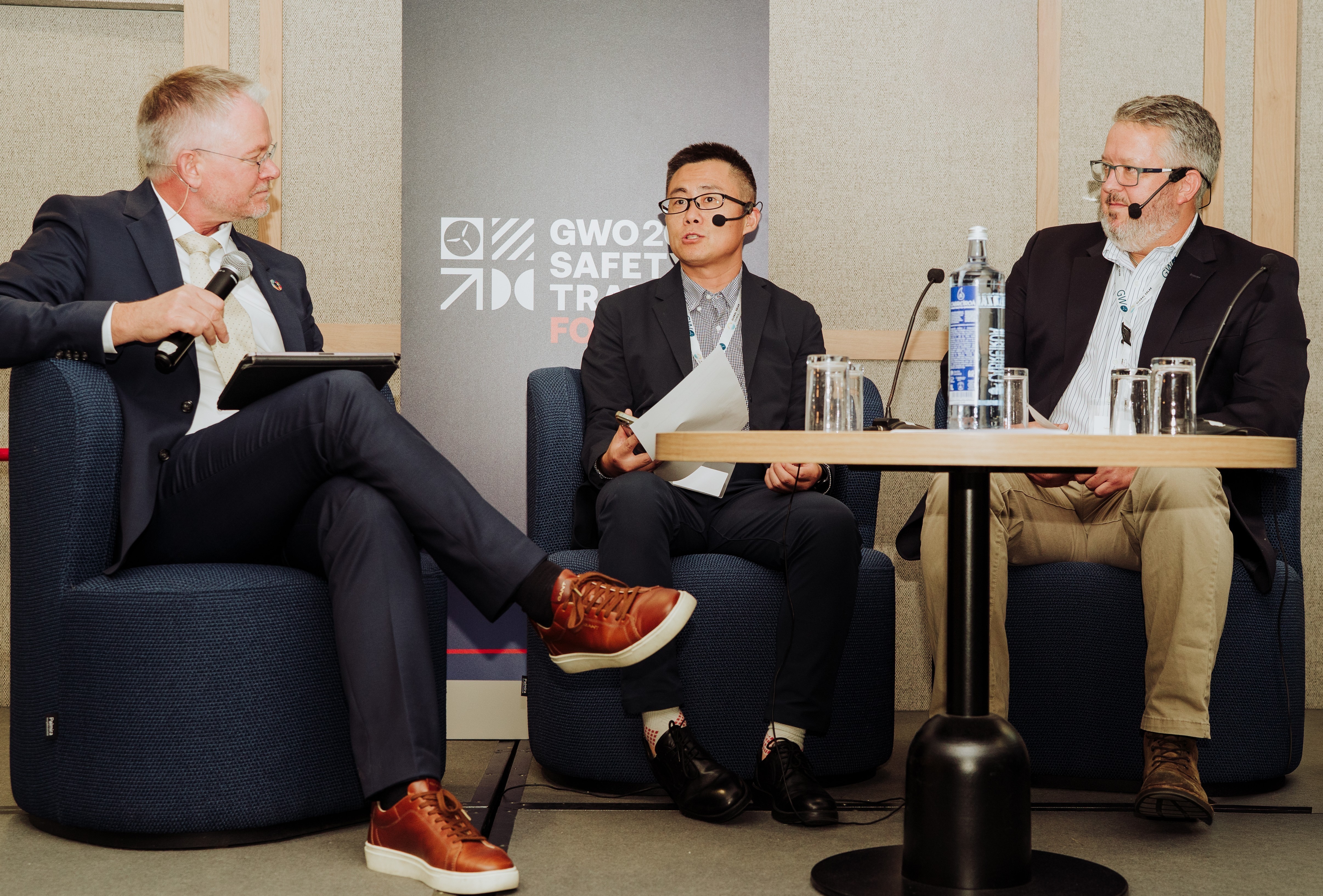
Strategy 2030: GWO Members’ Voices at Forum ’26
As we approach the GWO Safety & Training Forum & Awards 2026, learn more about what’s next for GWO’s workforce development agenda in the opening session of this year’s programme.
GWO Standards Update: Six-Month Grace Period Ends 10 September 2026
Important updates to GWO Training Standards come into full effect on 10 September 2026.
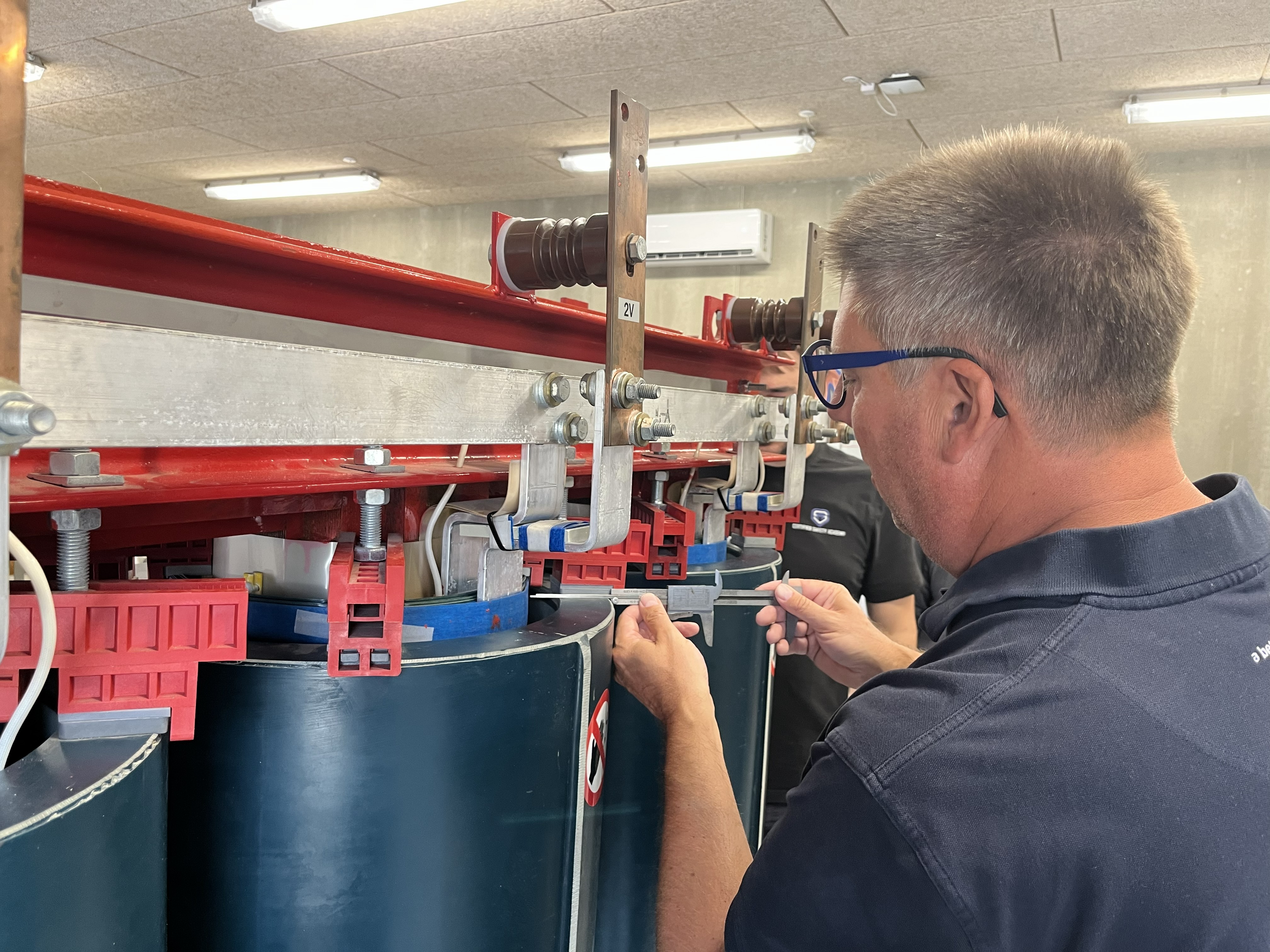
Final Round of Pilots for New High Voltage Modules Reaches Completion
GWO has completed the final pilot of its new High Voltage T-Connector Installation and Transformer Maintenance modules, with feedback from four pilots now set to inform the final training content ahead of release later this year.
Forum ’26: Clarifying Competence for an Evolving Workforce
Explore what competence means in practice in a member-led conversation at the GWO Safety & Training Forum & Awards 2026.
Put Your Products in Front of the Wind & Solar Safety Community
Get your equipment in front of the industry at the GWO Safety & Training Forum in Paris.