Mapping the Shift: Workforce Demand Accelerates across C&I and O&M Segments
As the global demand for wind energy rises and the industry transforms, C&I and O&M feel the impact. C&I remains a key driver of technician demand while O&M constitutes a larger component of the total workforce demand.

The installed wind fleet is expanding across the globe, and the direct impact of this growth is felt in the Construction and Installation (C&I) and Operations & Maintenance (O&M) parts of the value chain, areas where there is most pressure on the day-to-day installation and maintenance of old and new turbine sites. As turbines grow in both size and complexity, the activities required to maintain them involve a greater degree of coordination which needs to be sustained over time.
The long-term performance of the fleet throughout the project lifecycle is an important aspect of ensuring there is adequate infrastructure for the workforce to safely carry out high-risk tasks. Closely intersecting with the fleet’s performance are the underlying structural factors and annual build-out cycles which in turn affect overall labour demand.
C&I Continues to Drive Technician Demand
C&I remains a key driver of technician demand across markets, particularly those with large project pipelines or build-out phases. The mechanical, electrical and commissioning skills sets needed to construct and install turbines require a robust project coordination and adherence to rigorous safety practices. Labour availability affects project management variables across this segment, from project timelines to cost control.
O&M’s Increasing Share of Total Workforce Demand
While C&I continues to influence the global demand for technicians, O&M constitutes a larger component of the total workforce demand. The expansion of the global installed fleet capacity is equally accompanied by a steady increase in O&M needs for the overall total onsite workforce. This trend, outlined this year’s GWWO 2025-2030 report, continues to be driven by the increase in complexity in the turbine structure, as well as factors such as the need for routine inspections and repairs and the need to maintain safety and performance standards to an adequate level. Moreover, since it was found in 2019 that the life expectancy of wind fleets has increased to 30 years, maintaining the fleet over the long term will continue to be increasingly important.
New Skill Requirements for an Evolving Workforce
As graph above illustrates, there is currently a greater demand for technicians in the C&I segment, however demand in the O&M segment is catching up. As new wind sites are built and the energy transition moves faster, the C&I segment will be the first to feel the impact, as the workforce deploys the new fleet. In parallel, the O&M segment oversees the overall installed capacity as it grows over time, thereby generating demand for O&M technicians.
Workforce Development as a Structural Challenge
As the GWWO 2025-2030 report shows, a workforce of approximately 628,000 technicians will be needed to build and maintain wind fleets up to 2030. Technicians are crucial in delivering the energy transition and yet in many global regions, there is a shortage of experienced technicians and limited training capacity. Equally, in more mature markets, an ageing workforce dictates the need for new talent.
What is ultimately required is twofold: the right infrastructure to supply the wind energy demand of each market combined with preparing the workforce to build and maintain the wind farms of today and tomorrow. That’s where a need for aligned job roles comes in, ensuring that there is a consensus between employers, training providers and regulatory bodies in the communities of technicians they serve.
About GWEC
GWEC is a member-based organisation that represents the entire wind energy sector. The members of GWEC represent over 1,500 companies, organisations and institutions in more than 80 countries, including manufacturers, developers, component suppliers, research institutes, national wind and renewables associations, electricity providers, finance and insurance companies.
Find us at: https://gwec.net/.
Follow us on LinkedIn and Instagram.
Contact
Alex Bath, Communications Director, alex@bath.gwec.net
About GWO
GWO is a non-profit industry association founded and owned by its members who are drawn from globally leading renewable energy manufacturers, owners and operators. Our members strive for an injury free work environment, setting common international standards for safety training and workforce development. Since 2012, GWO training standards have become widely adopted by wind industry employers, seeking quality, safety and reassurance for their technicians in construction, installation, operations and maintenance around the world. GWO's 2025 Annual Report showed more than 190,000 technicians are trained according to GWO Standards.
GWO member companies
Acciona Energia, Avangrid, BayWa r.e, CGN Wind Power, Copenhagen Offshore Partners, CORIO Generation, CRRC, Dominion Energy, ENERCON, Envision, Equinor, Eurus Energy, GE Renewable Energy, Global Wind Service, Goldwind, The Nordex Group, Northland Power, Ocean Winds, Ørsted, Pattern Energy, Qair, RES Group, RWE Renewables, Shanghai Electric, Skyborn Renewables, Siemens Gamesa Renewable Energy, SSE, TAKKION, Vattenfall and Vestas.
Media Contact Details
Sara Bastholm, Head of Communications, sb@globalwindsafety.org
To read the previous article in this series, click here.
Featured stories
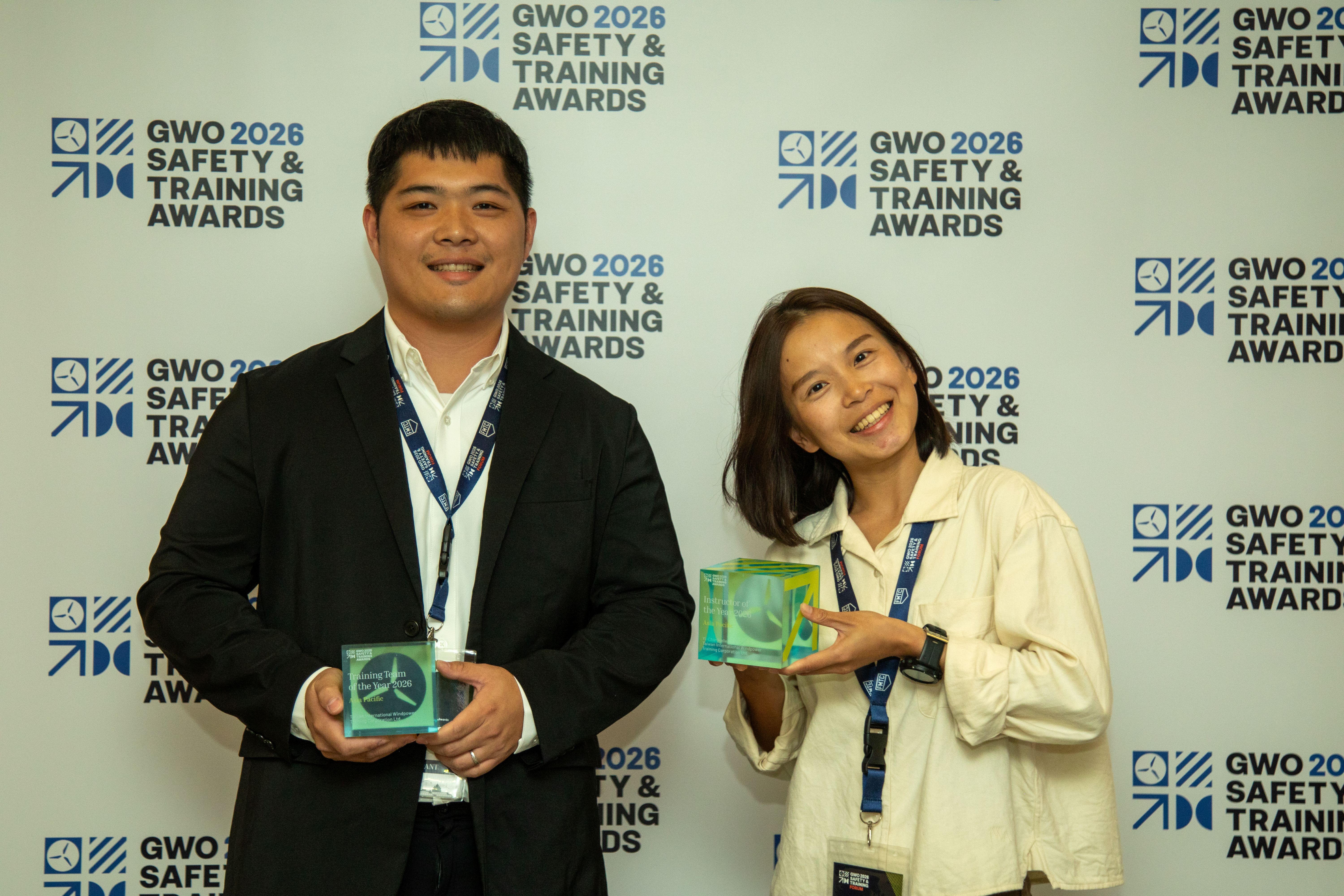
GWO Safety & Training Awards Winners Unveiled in Paris
At the fifth edition of the Awards, this year’s winners took to the stage following the most closely contested competition to date.
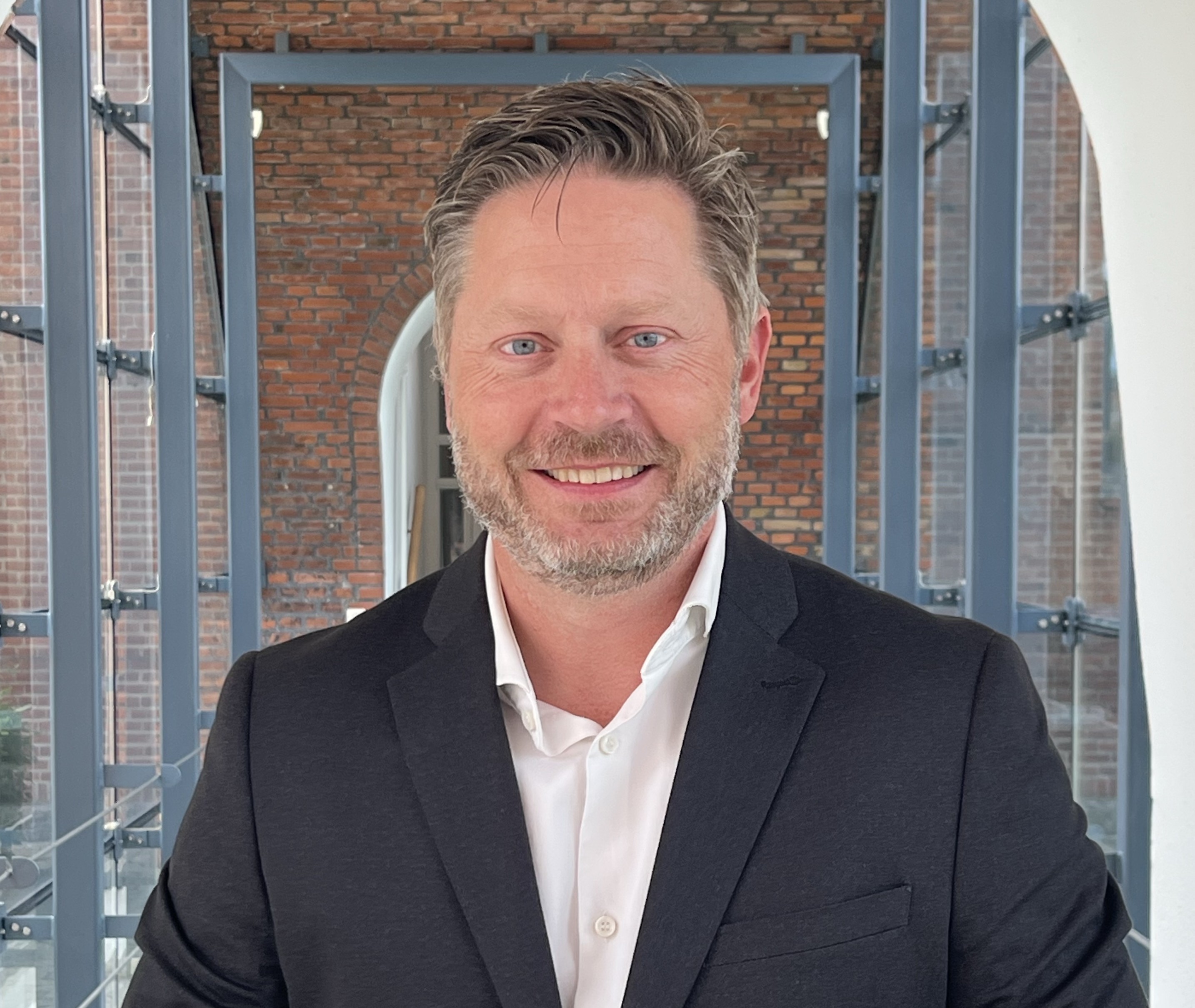
GWO Appoints Alex Øbell Nielsen as Network Development Manager for the Americas
Appointment of experienced professional will assist with furthering the adoption and availability of training standards in the Americas region.
.jpg)
GWO Appoints Morten V. Østergaard as Chief Financial Officer
The appointment of our first Chief Financial Officer (CFO) strengthens GWO's financial governance and provides a robust foundation for the next phase of transformation and growth

One week left to register for Forum ‘26
Don’t miss your chance to engage with the people and ideas shaping the future of the wind and solar industries.
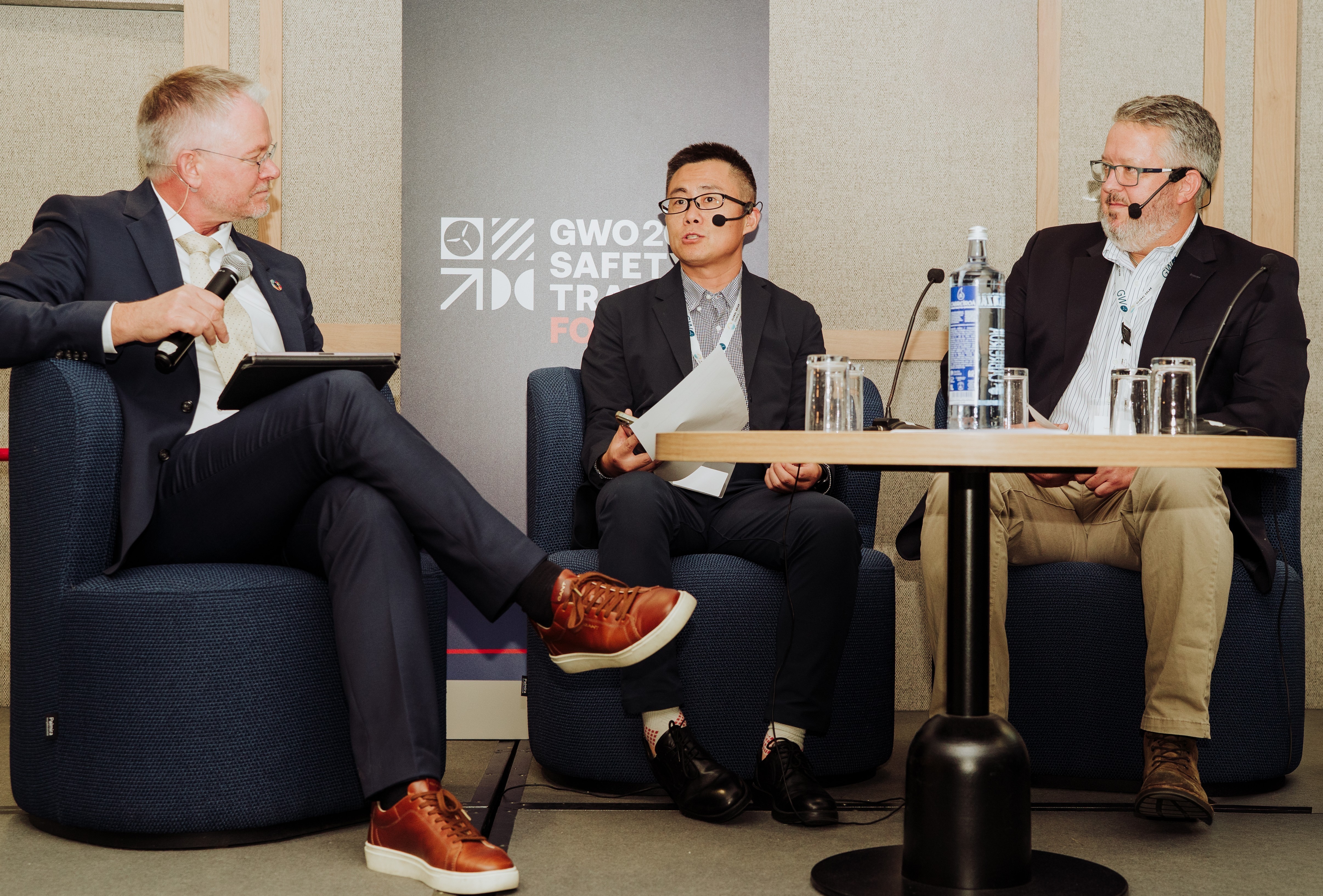
Strategy 2030: GWO Members’ Voices at Forum ’26
As we approach the GWO Safety & Training Forum & Awards 2026, learn more about what’s next for GWO’s workforce development agenda in the opening session of this year’s programme.
GWO Standards Update: Six-Month Grace Period Ends 10 September 2026
Important updates to GWO Training Standards come into full effect on 10 September 2026.