Industry Voices Gather in Toronto to Share Perspectives on Building a Stronger Operational Workforce at CanREA Operators Summit 2026
GWO joined industry leaders in the O&M community to engage in two days of learning about operational challenges, trends and workforce readiness.
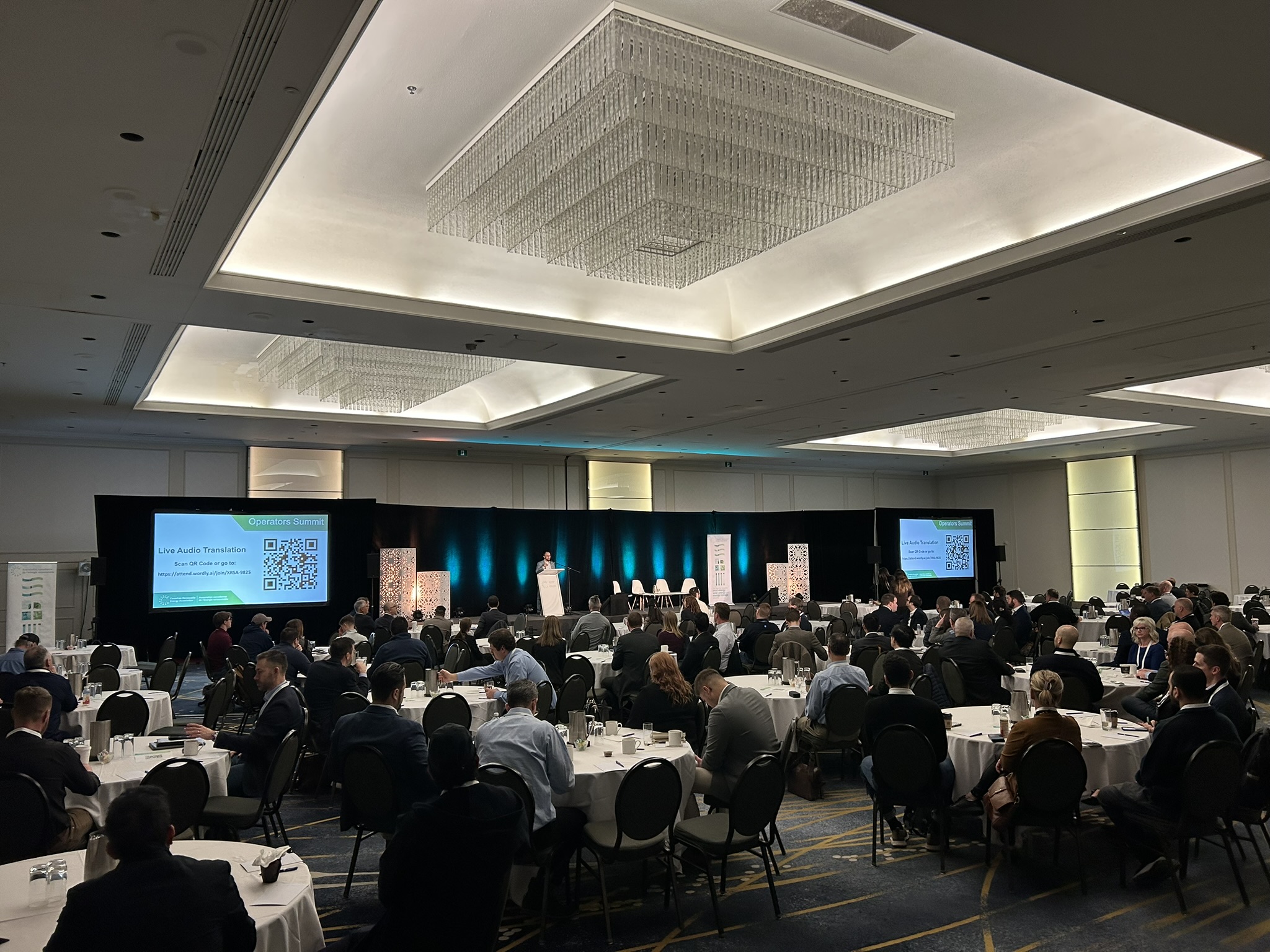
With Canada’s renewables projects reaching full lifecycle maturity, the country’s energy landscape is set to enter a new era. At this year’s CanREA Operators Summit, leaders in the Operations & Maintenance (O&M) community addressed this theme of the industry’s “Coming of Age” in the spirit of handling ageing infrastructure and using new technologies to meet the needs of an evolving workforce. Dan Ortega, Network Development Manager at GWO, met with owner operators and asset managers to share knowledge and discuss solutions.
Putting Renewable Power on the Map
As the second-largest source of renewable electricity in Canada after hydropower, wind represents the main source of new renewable capacity additions in recent years.
According to Canada’s Renewable Energy Market Outlook 2025, Canada’s installed electricity generation capacity currently totals around 150 GW, deriving 17 GW from wind and 2,3 GW from solar. The forecasted energy deployment for each of these sources between now and 2035 is expected to total between 30 and 51 GW of new wind power and 17 and 26 GW of new solar power.
Preparing the Workforce for Rising Energy Needs
As the demand for new energy generation rises in Canada, establishing training pathways for the energy workforce is an important component of ensuring there is sufficient access to training. This is especially true for the O&M workforce demand share, as capacity expands and turbine fleets age, corresponding to a global trend.
Reflecting on the sixth edition of CanREA Operators Summit, Jakob Lau Holst, CEO of GWO, remarked:
The energy transition is picking up pace, and we see a dramatically increased need for skilled workforce. This is felt in both installation and O&M segments of the value chain. The evolving company specialisation of the various types of work on assets throughout the turbine lifecycle represents a challenge for coherent workforce development and increases the need of employers and duty holders to rely on industry standards for training and recognition of skills. This is especially the case when the majority of technicians needed from 2030 and beyond are teenagers today. Some good news for a mature market like Canada is that as the share of O&M work increases, the industry can offer localised, attractive career pathways with better talent retention.
Want to learn more about Workforce Readiness?
Featured stories
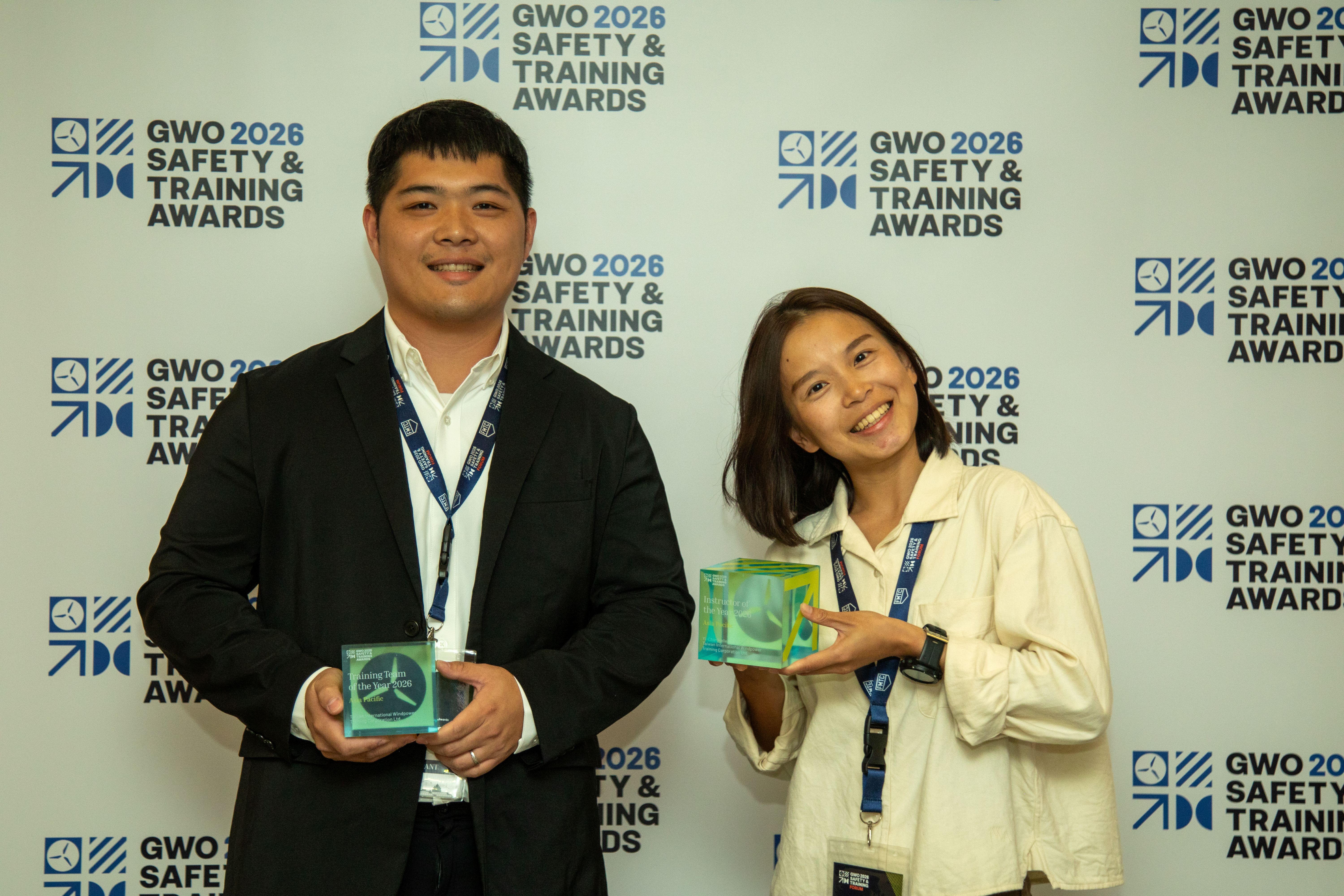
GWO Safety & Training Awards Winners Unveiled in Paris
At the fifth edition of the Awards, this year’s winners took to the stage following the most closely contested competition to date.
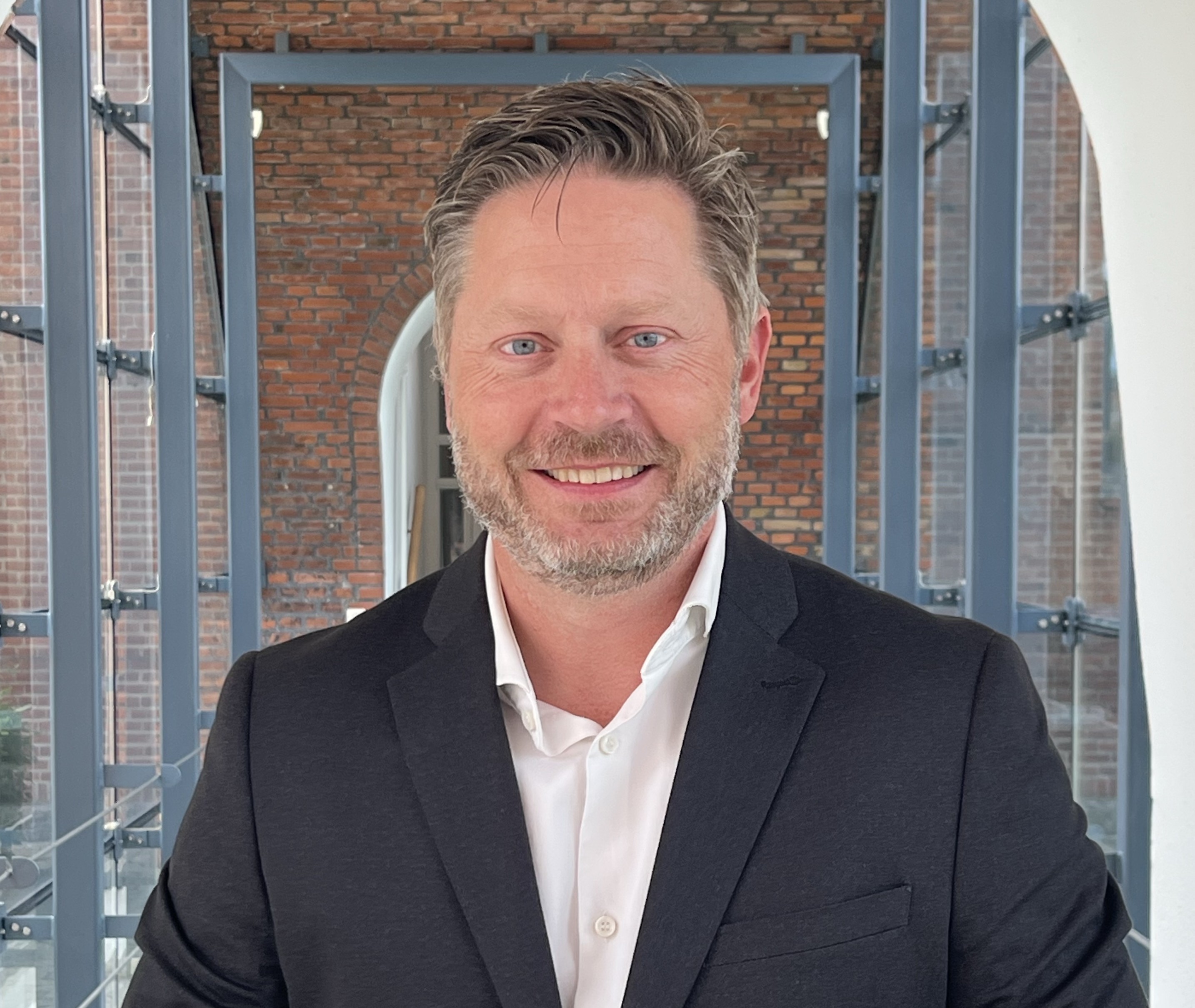
GWO Appoints Alex Øbell Nielsen as Network Development Manager for the Americas
Appointment of experienced professional will assist with furthering the adoption and availability of training standards in the Americas region.
.jpg)
GWO Appoints Morten V. Østergaard as Chief Financial Officer
The appointment of our first Chief Financial Officer (CFO) strengthens GWO's financial governance and provides a robust foundation for the next phase of transformation and growth

One week left to register for Forum ‘26
Don’t miss your chance to engage with the people and ideas shaping the future of the wind and solar industries.
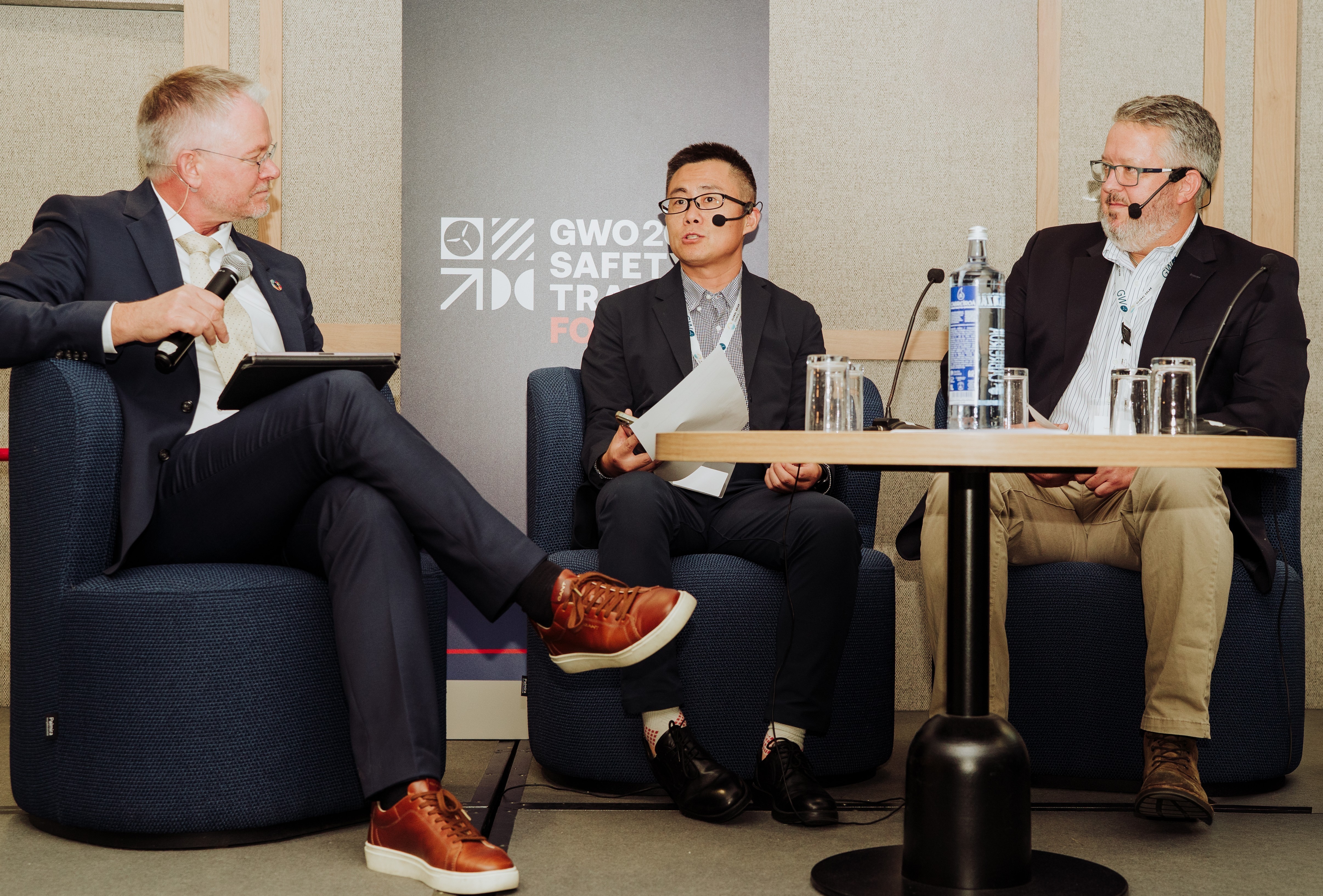
Strategy 2030: GWO Members’ Voices at Forum ’26
As we approach the GWO Safety & Training Forum & Awards 2026, learn more about what’s next for GWO’s workforce development agenda in the opening session of this year’s programme.

GWO Standards Update: Six-Month Grace Period Ends 10 September 2026
Important updates to GWO Training Standards come into full effect on 10 September 2026.