Developing Job Roles and Career Pathways in the Solar PV Industry
Representatives from leading renewable energy organisations met with the GWO Solar Training Committee in London to explore standardised solar job roles, including core training and competency requirements for the solar workforce.
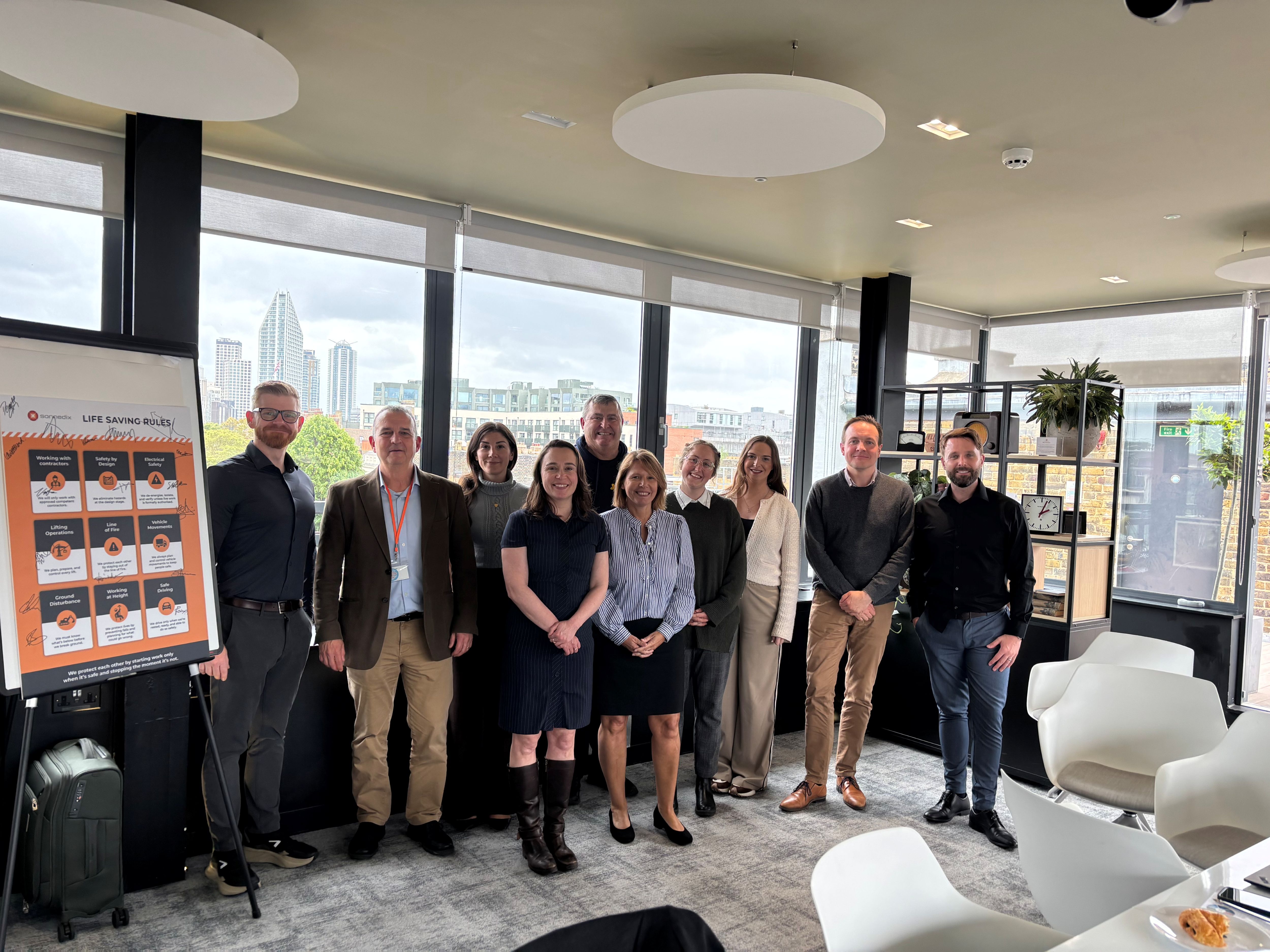
The GWO Solar Training Committee (STC) recently joined representatives from leading renewable energy organisations in London to identify standardised job roles, competencies, and training requirements across key phases of the solar value chain. As solar PV continues to scale globally, necessitating a safe and consistent workforce, this meeting marks an important step towards establishing clear career pathways, while supporting improved safety performance and operational predictability across the industry.
Developing Safe Career Pathways in Solar PV
With representatives from leading renewable energy organisations including RES, RWE, Acciona, Sonnedix, and Global Solar Council in attendance, the two-day workshop focused on identifying the next steps needed to support a safe and scalable solar workforce.
The committee began by aligning on the target phases of the solar value chain before identifying operational and maintenance (O&M) and construction and installation (C&I) job roles that could potentially be standardised across the industry. Discussions explored both the opportunities and the challenges associated with standardisation for a diverse range of stakeholders.
Having identified five priority roles, the group then worked on drafting job role descriptions, associated tasks, required competencies, and training requirements for what could become some of the first standardised entry-level job roles in the solar PV industry.
Solar Powers the Future
These efforts come at a pivotal moment for the industry, as rapid global growth in solar deployment is increasing the need for a skilled, safe, and scalable workforce.
Research by International Renewable Energy Agency (IRENA) shows that solar energy accounted for 75% of the total renewable energy capacity additions in 2025. At the same time, recent forecasts from Bloomberg project continuous growth in utility-scale solar, alongside wind and energy storage, through to 2030.
With this rapid expansion, stakeholders are focused on leveraging previous successes to develop a safe, scalable, and resilient foundation for the energy transition.
Solar PV: An Industry in Transition
Traditionally characterised by a fragmented workforce, particularly during the construction and installation (C&I) phase of solar site development, the solar PV industry is now entering a period of increasing professionalisation and maturity.
With growth accelerating across global markets, the need for greater consistency in training, competencies, and career pathways is becoming increasingly important. Standardisation has the potential to strengthen safety performance and improve quality and operational predictability across projects and regions.
These opportunities for standardisation were high on the agenda when the STC met at the Sonnedix office in London, guiding conversations on future challenges and opportunities.
Reflecting on the importance of this work for the future of the sector, Juan M Fernandez, COO at Sonnedix emphasised the need for global collaboration and consistent industry standards:
As a company with a strong focus on safety, ensuring the people who enter our sites can leave them safely every day, is an absolute non-negotiable. While standardisation can support the safety practices we have already implemented, we also see a strong potential for increased consistency across the industry, improving quality, uptime and predictability.
We look forward to following the industry’s adoption of these initiatives, including the global solar training standards and standardised solar job roles, and to applying them within our own business.
Featured stories
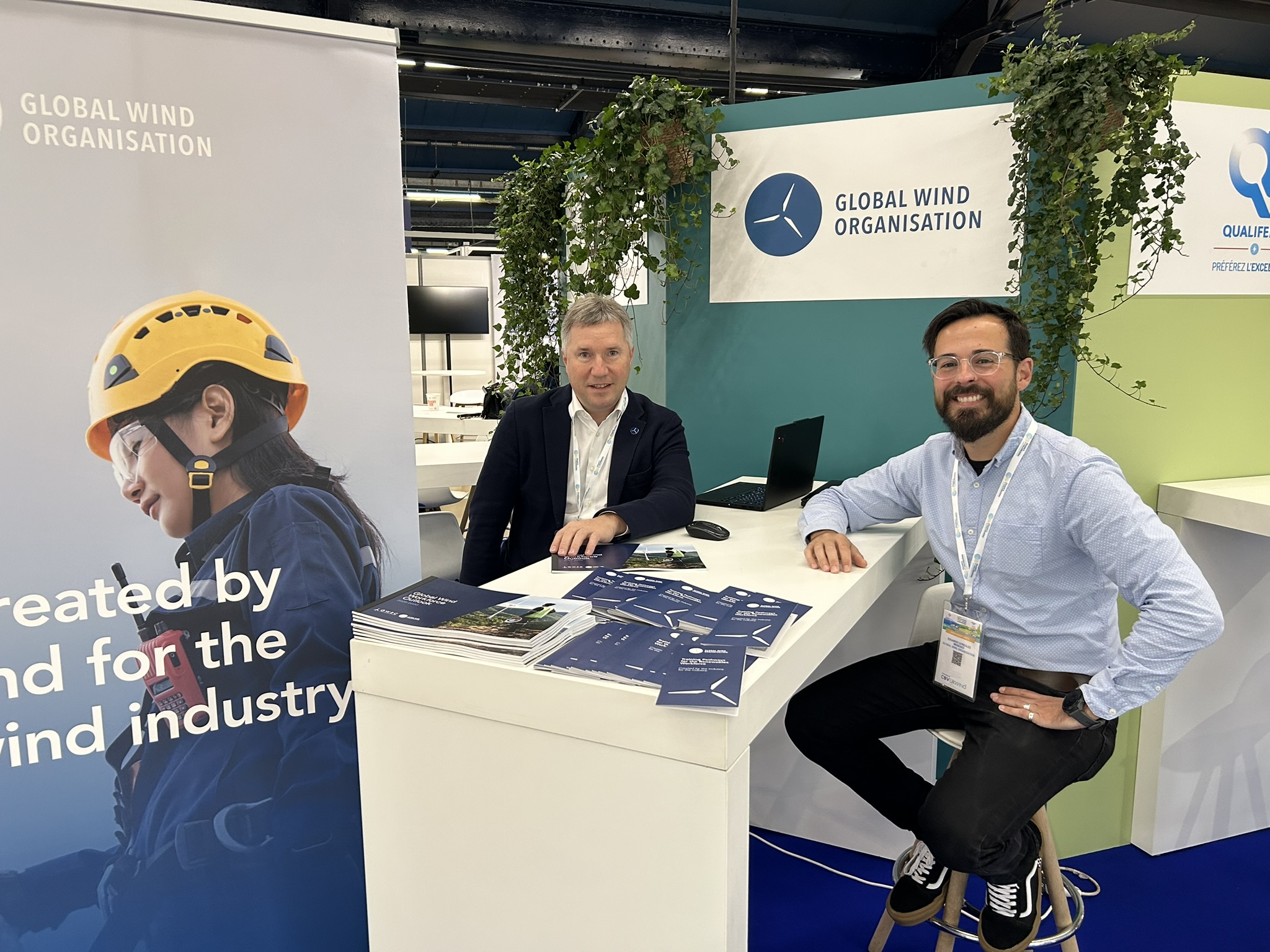
Strengthening industry connections at Colloque Nationale 2026
GWO recently joined renewable energy leaders, education institutions and Training Providers in Paris for the 16th France Renouvelables National Colloquium, to explore opportunities for strengthening workforce development and access to safety training across France's growing wind industry.
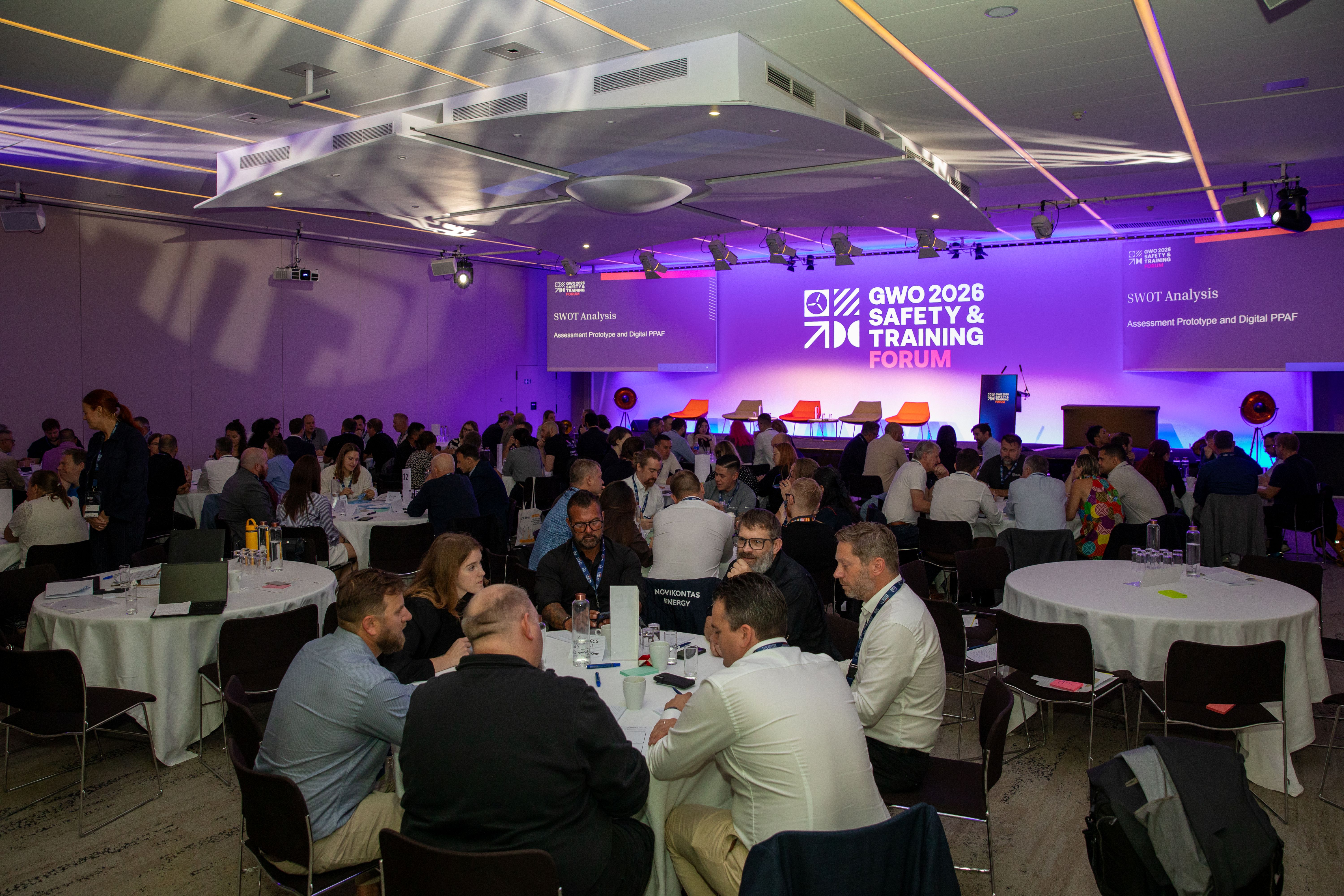
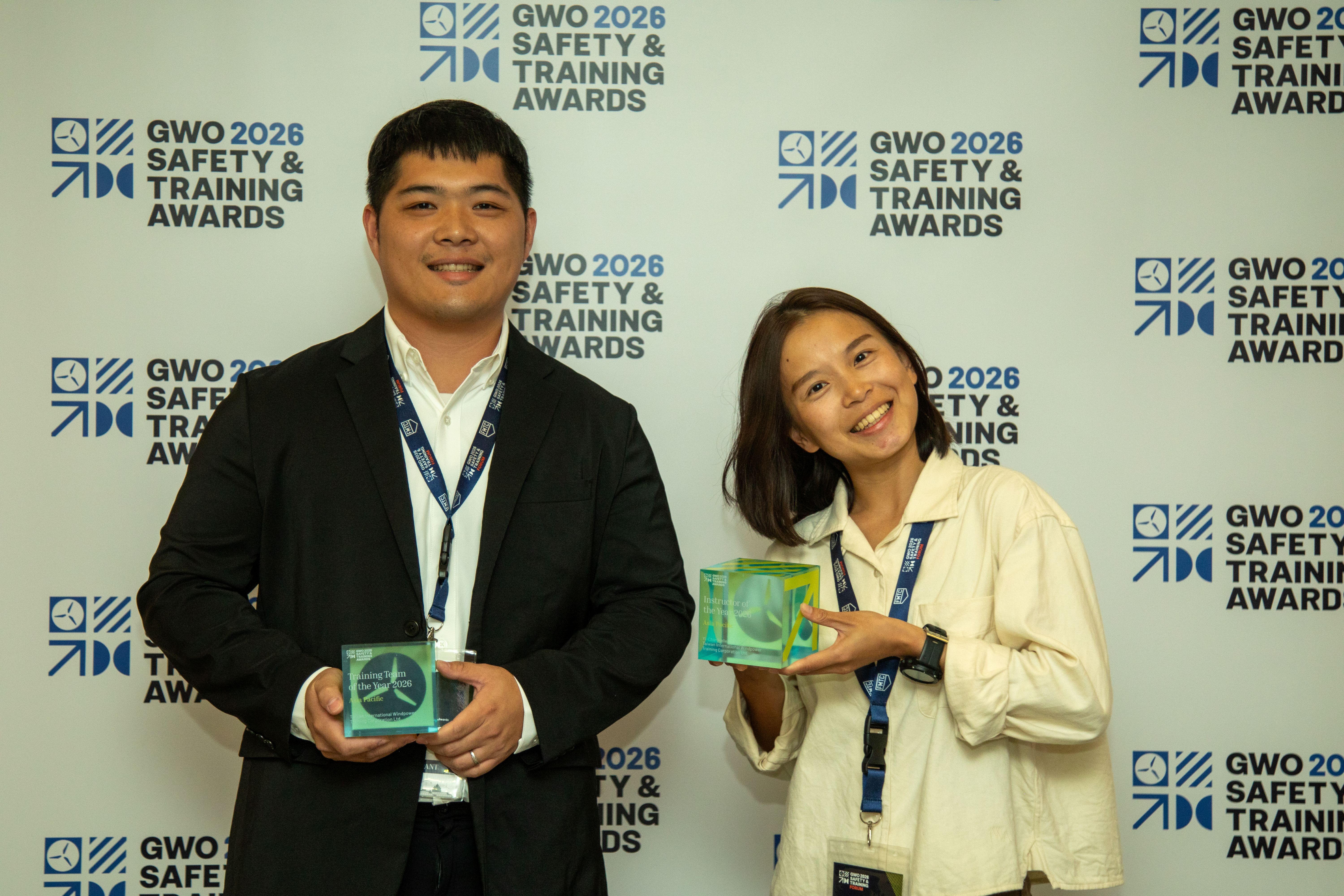
GWO Safety & Training Awards Winners Unveiled in Paris
At the fifth edition of the Awards, this year’s winners took to the stage following the most closely contested competition to date.
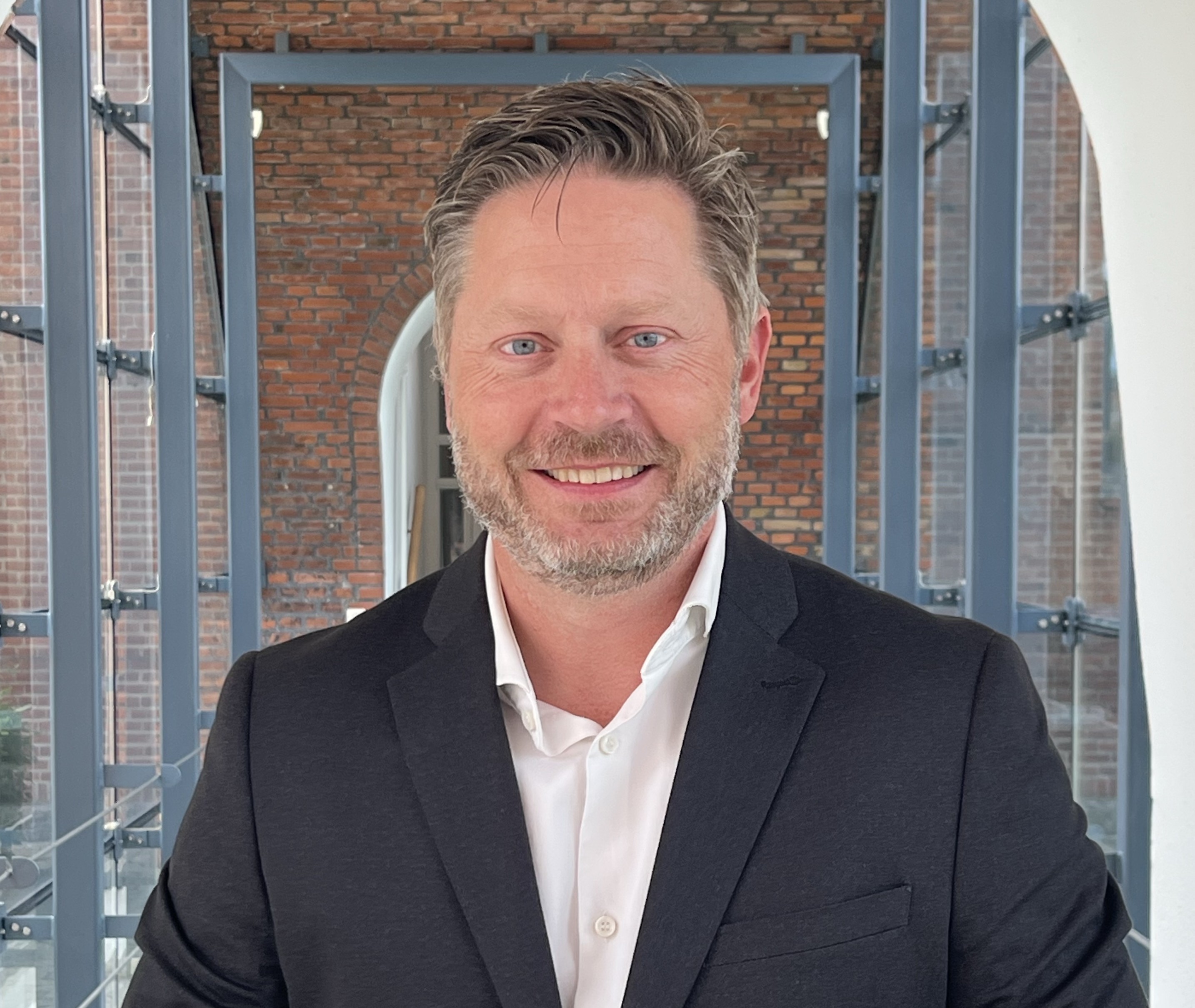
GWO Appoints Alex Øbell Nielsen as Network Development Manager for the Americas
Appointment of experienced professional will assist with furthering the adoption and availability of training standards in the Americas region.
.jpg)
GWO Appoints Morten V. Østergaard as Chief Financial Officer
The appointment of our first Chief Financial Officer (CFO) strengthens GWO's financial governance and provides a robust foundation for the next phase of transformation and growth

One week left to register for Forum ‘26
Don’t miss your chance to engage with the people and ideas shaping the future of the wind and solar industries.