Reflecting on the GWO Safety & Training Forum and Awards 2026
All the highlights from Forum '26
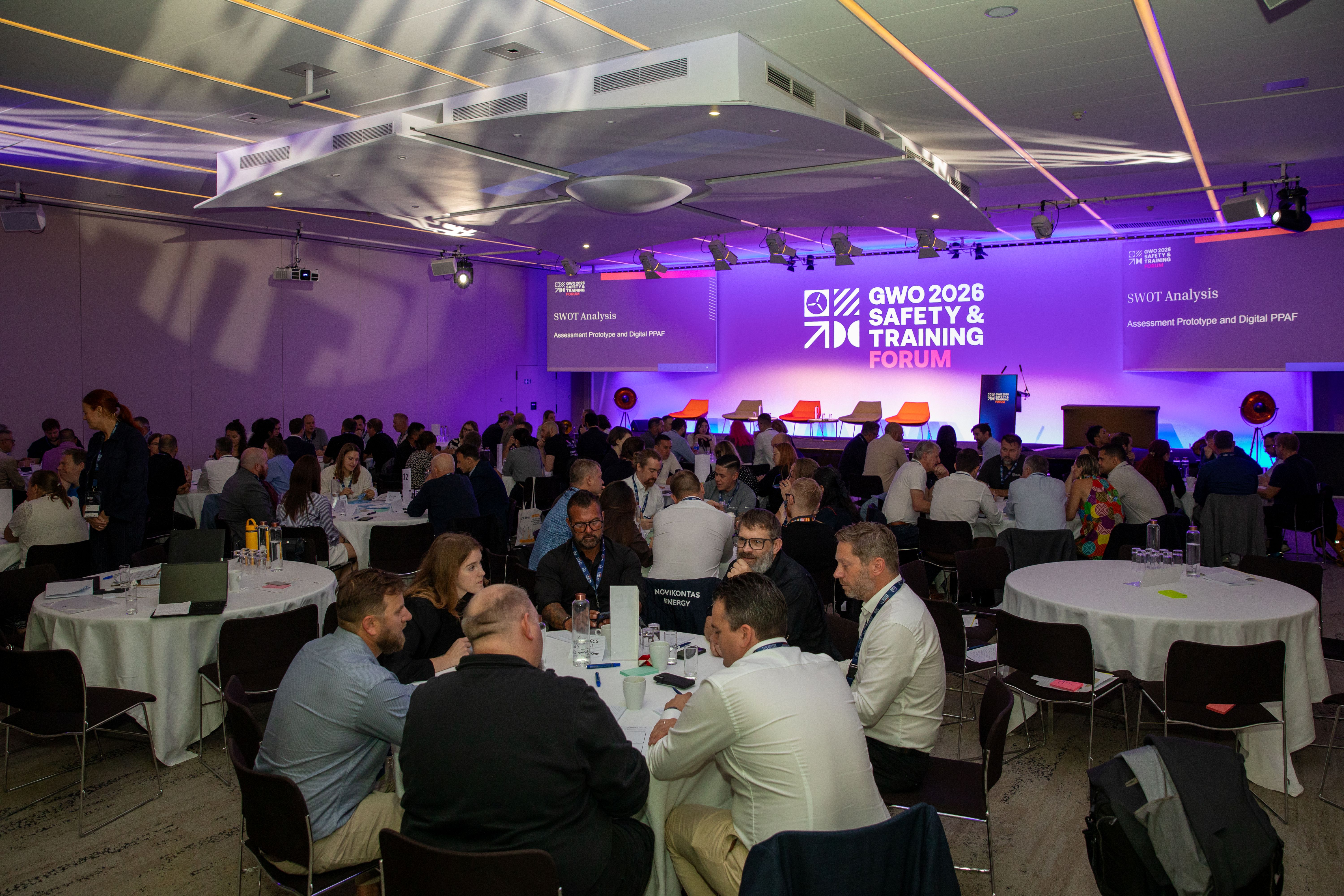
Over two days in Paris, the GWO Safety & Training Forum 2026 brought the GWO community together to explore some of the most important questions facing safety, training and workforce development across the renewables industry.
From future workforce needs and the role of human factors in safety and performance, to the expansion of GWO training beyond basic safety, discussions throughout the Forum reflected an industry that is changing and a training ecosystem that must evolve with it.
Preparing for the Workforce of the Future
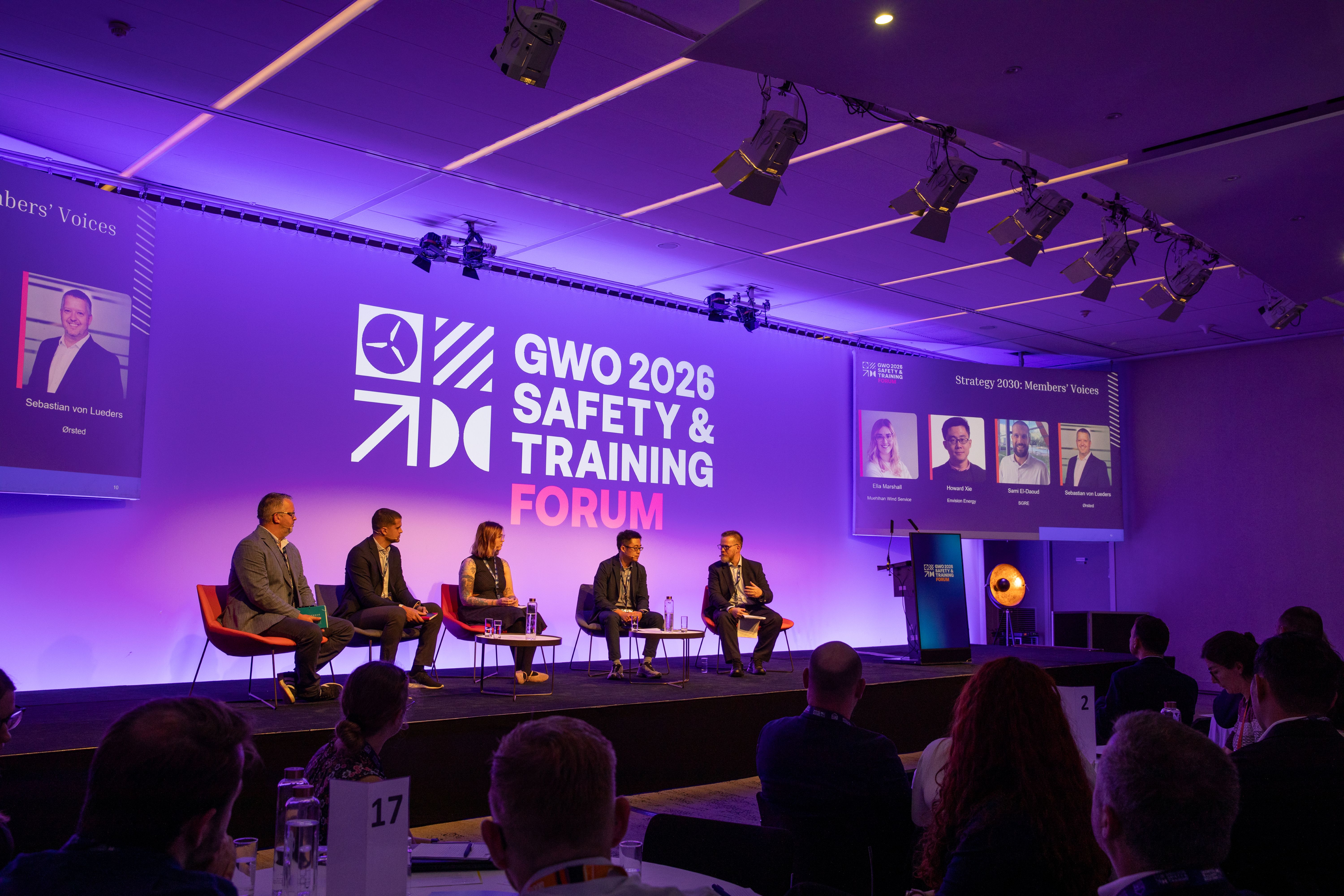
We began by looking ahead. As GWO approaches the end of its current strategy period, members discussed where the greatest workforce challenges may emerge over the coming years and how our role in workforce development should evolve alongside them.
The discussion reflected the changes already taking place across the GWO community, including broader membership, an expanding portfolio and growing workforce needs across different markets.
A recurring question was where GWO can add the greatest value and what responsibility we – and our industry counterparts – have in carrying the renewables workforce forward.
How do we address competence? How do we encourage technicians to step in when they see issues? How do we develop the next level beyond safety? We’re not there yet, but we're in a mature enough place to explore that next step together. (Speaker at the GWO Safety & Training Forum 2026)
Looking Beyond Basic Safety
The changing needs of the workforce were also reflected in discussions around the growing scope and complexity of GWO training.
Using the developing High Voltage Training Standard and new Enhanced Electrical Training Project as examples, participants explored how GWO’s expanding training portfolio can support a wider range of skills and roles and what this evolution means for GWO and its Training Provider network.
Standardisation is a shared responsibility that doesn’t stop with having a standard in place. It comes alive in the training centres, it comes alive when our technicians undergo training and ultimately, it comes alive when it’s applied in the workplace to ensure safe working conditions. (Speaker at the GWO Safety & Training Forum 2026)
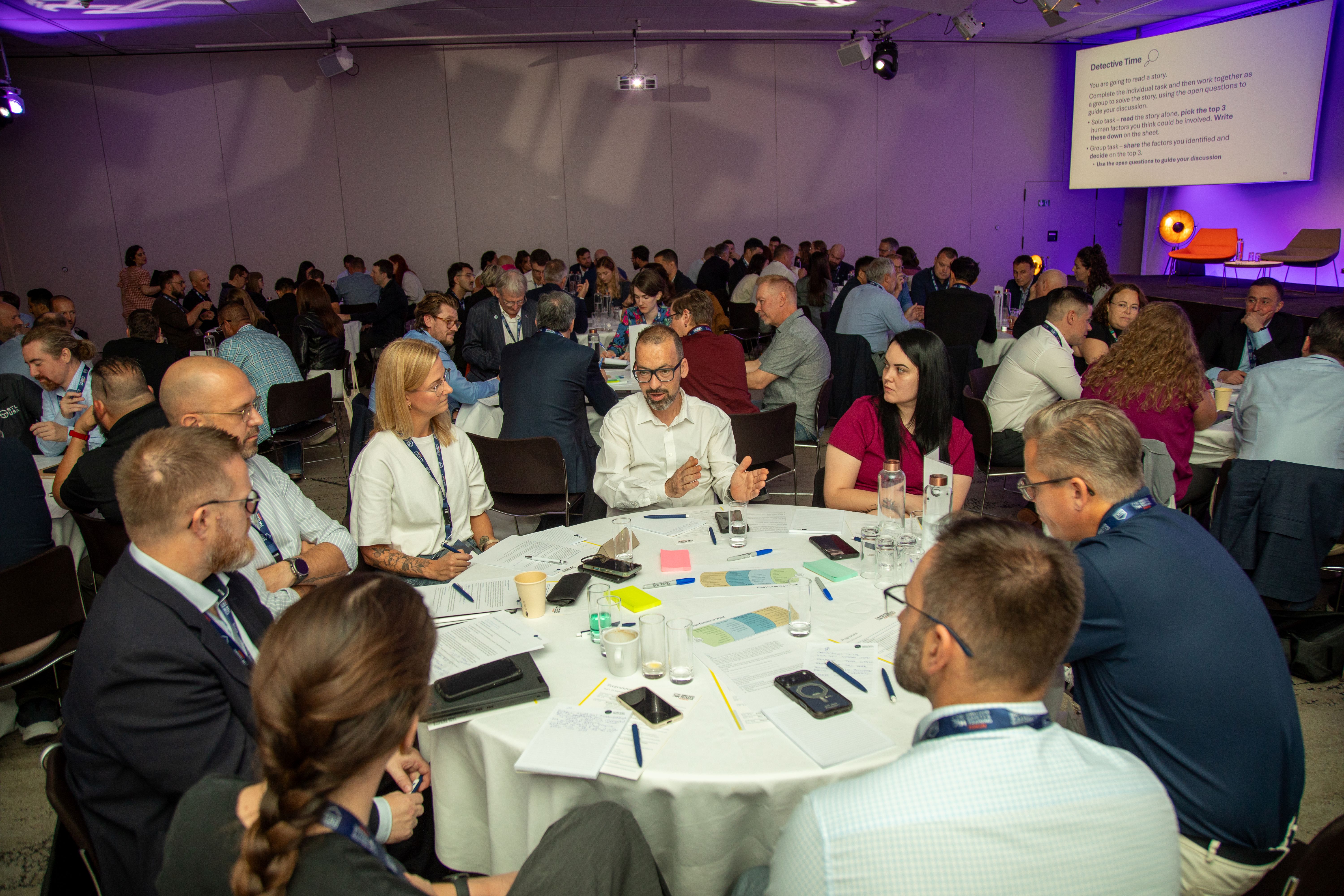
The Forum also looked at the human factors that influence safety and operational performance. Through scenario-based discussions, participants explored how factors affecting decision making and behaviour can contribute to incidents and how different experiences and perspectives can help us better understand them.
Changing the safety culture starts with everyone here. It starts with each of us taking back a mindset shift to build safety and leadership accountability into everything we do in the workplace. (Speaker at the GWO Safety & Training Forum 2026)
A New Era of Quality
On Day 2 we turned our focus to an important transition in GWO’s approach to quality and asked the question, “how can we create greater consistency in GWO training outcomes?”
At the heart of the discussion was a shift in how we think about quality. Rather than looking at quality primarily through the lens of compliance, we examined the need for participants to meet intended learning outcomes and demonstrate the required, job-ready skills at the completion of training.
A key focus of the session was the introduction of a more consistent approach to assessment and how this can provide greater confidence that participants have achieved the required learning outcomes to take forward into the workplace.
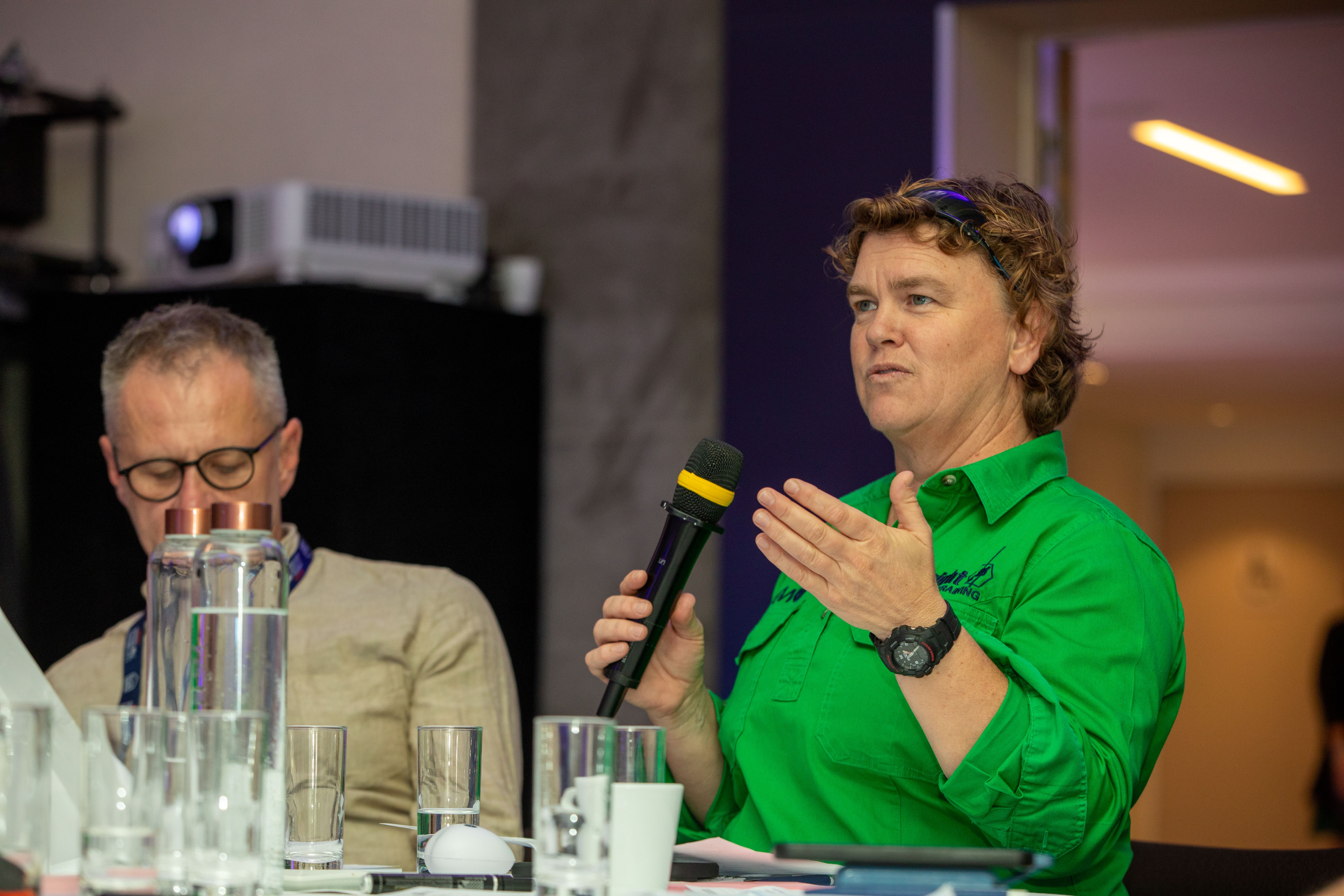
During the “New Module-Specific Assessments” workshop, participants were given the chance to explore the early prototypes designed to reduce the administrative burden on Training Providers, ensuring fair and comparable assessment standards all the while maintaining a flexible and innovative learning space.
The new approach includes the addition of a pre-assessment self-survey that supports instructors in adjusting the training, a process for practical and knowledge-based assessments intended to reduce the resource burden of training providers and standardise learning outcomes, as well as a scheduling tool.
This session and the chance to test these prototypes resulted in a highly dynamic and valuable interchange, where Training Providers shared important perspectives which will be incorporated into the next iteration. We would like to thank everyone for their feedback.
The conversation continued in the “Requirements for Assessment” session, where the focus shifted to the conditions needed to deliver these assessments effectively. Participants considered how existing training settings support or constrain assessment delivery, including the practical implications of module-specific assessments, and discussed any adaptations or refinements that might be needed to support operational realities.
We would like to invite any interested parties to learn more, to have your say, and to take part in testing as development continues by filling out this form. We will then contact you with any opportunities for future participation.
Connecting Training Outcomes and Competence
The focus on assessment formed part of a wider Day 2 conversation about competence and what competence means in practice across different organisations and a mobile workforce, including how it is defined and assessed.
Training completion is not the end of workforce development. Rather, demonstrating the intended learning outcomes at the point of completion and continuing competence provides a foundation upon which employers and duty holders can continue to develop workforce capability.
That connection between the quality of training, the outcomes we can demonstrate and the capabilities our industry ultimately needs underpinned many of the discussions in Paris.

Shaping the Next Steps Together
Across both days, roundtables and workshops gave participants the opportunity not only to hear about emerging developments, but to question them, test them against operational realities and contribute their own experience.
That dialogue is particularly important as GWO develops standardised, module-specific assessments and continues the wider transition in our approach to quality.
The Forum demonstrated the value of bringing our community together to connect the different parts of the workforce challenge – from who we need to train and the skills they will require, to how training is delivered and how we create greater confidence in its outcomes.
Thank you to everyone who joined us in Paris and contributed so openly throughout the two days. It was an uplifting example of the benefits of bringing our community together not only to share where GWO is heading, but to help shape how we get there, together.
Want to Get the Latest Forum-Related Updates?
Subscribe to our newsletter to receive the Forum ’26 retrospective, including official event photos, coming soon.
Featured stories
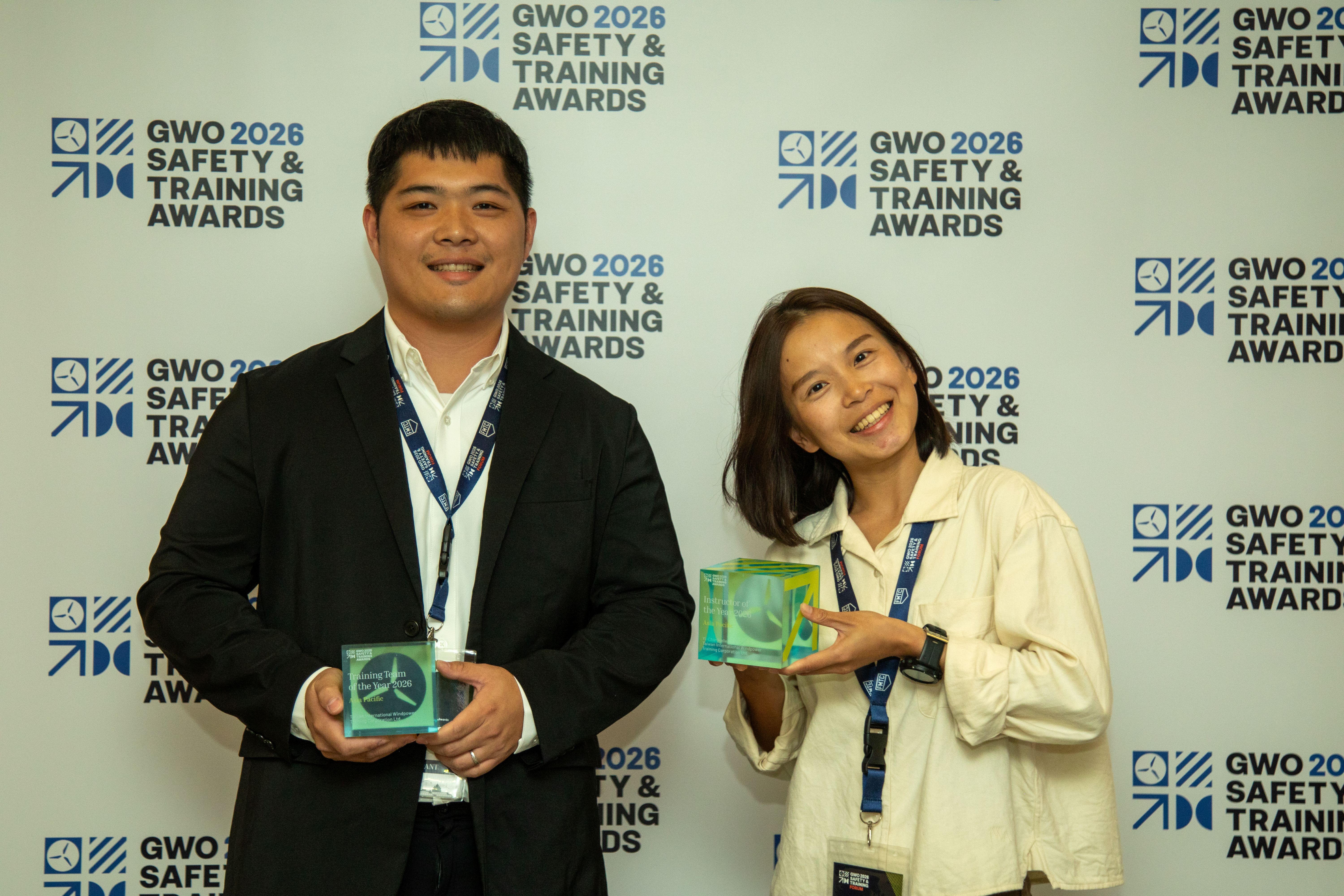
GWO Safety & Training Awards Winners Unveiled in Paris
At the fifth edition of the Awards, this year’s winners took to the stage following the most closely contested competition to date.
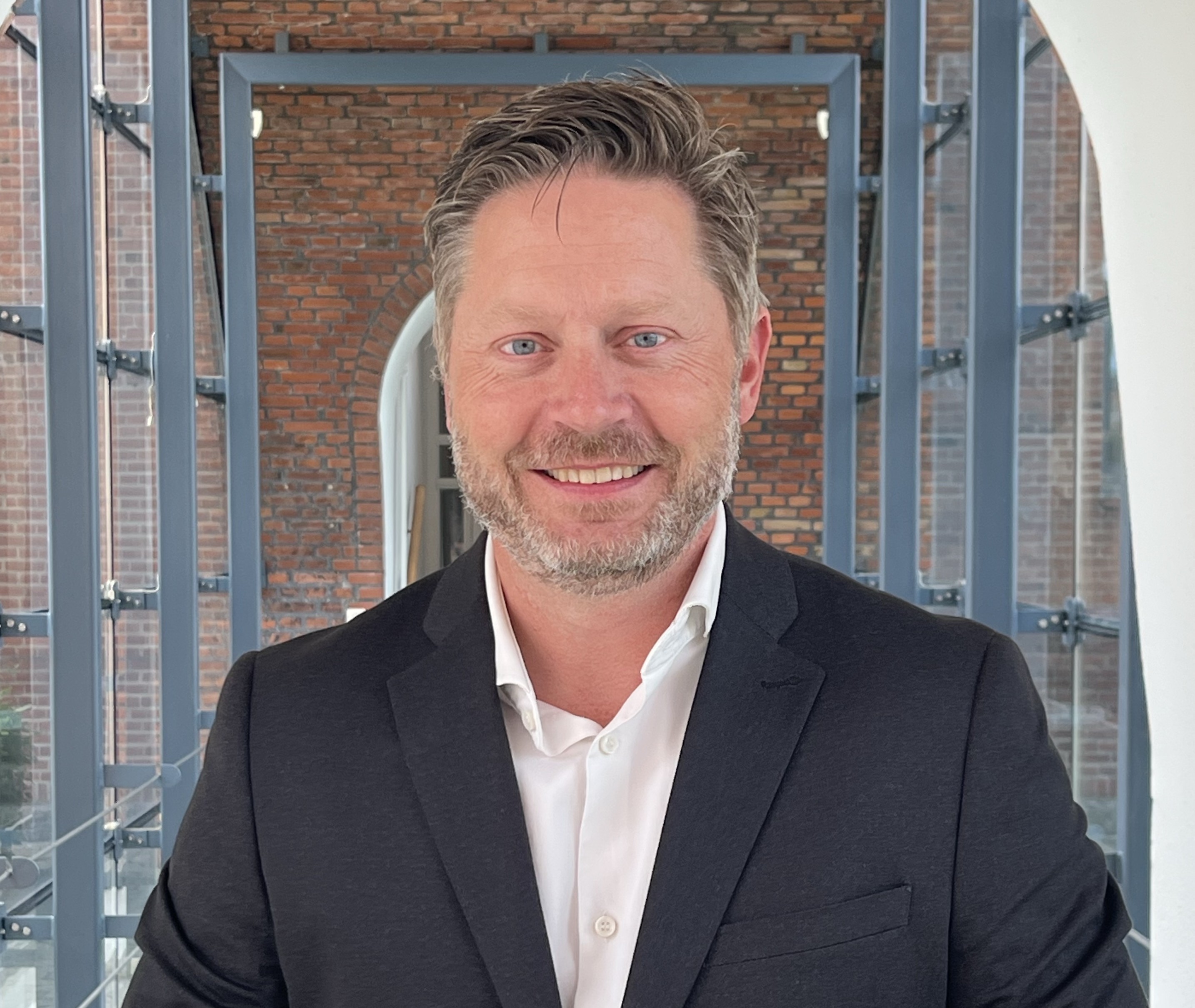
GWO Appoints Alex Øbell Nielsen as Network Development Manager for the Americas
Appointment of experienced professional will assist with furthering the adoption and availability of training standards in the Americas region.
.jpg)
GWO Appoints Morten V. Østergaard as Chief Financial Officer
The appointment of our first Chief Financial Officer (CFO) strengthens GWO's financial governance and provides a robust foundation for the next phase of transformation and growth

One week left to register for Forum ‘26
Don’t miss your chance to engage with the people and ideas shaping the future of the wind and solar industries.
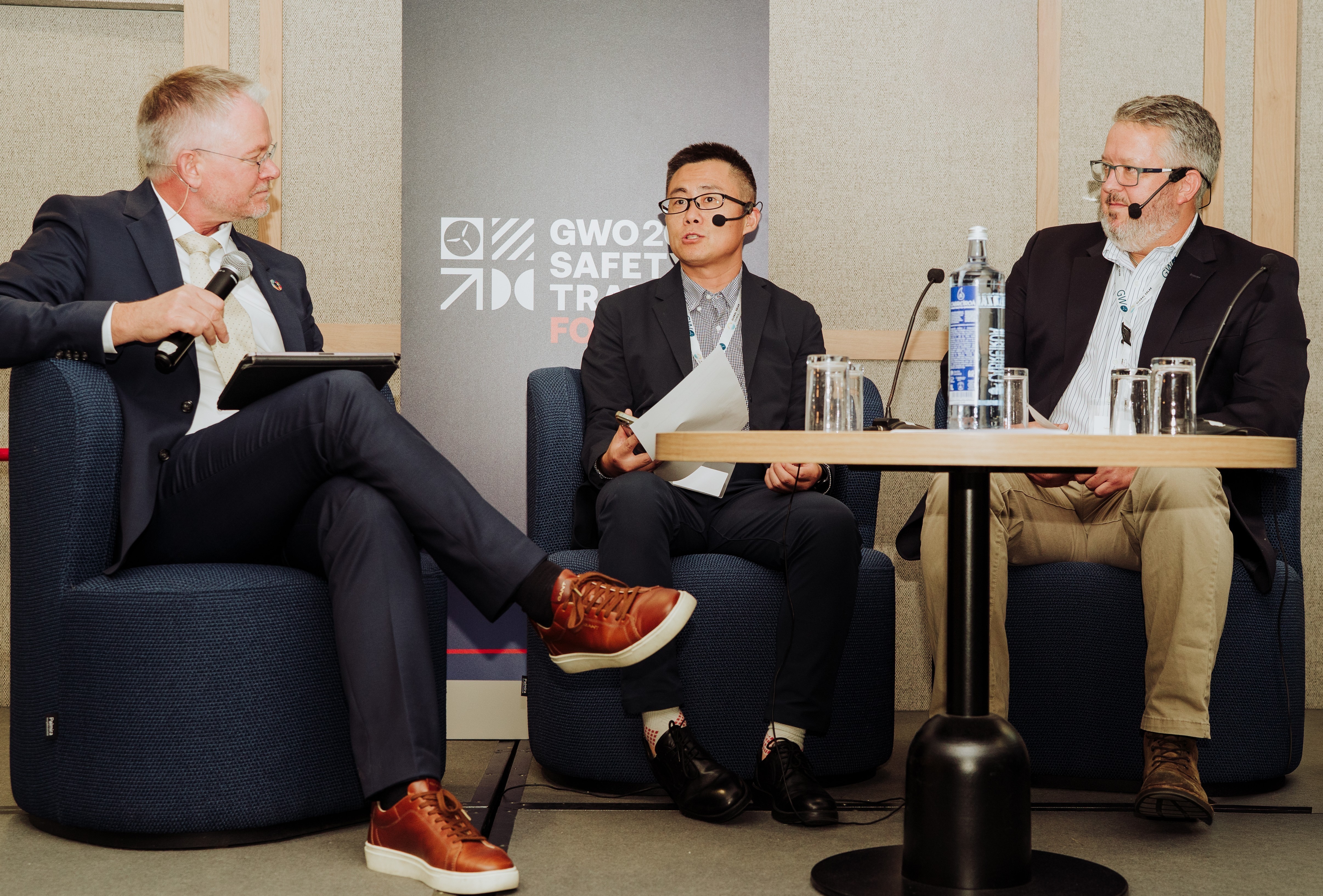
Strategy 2030: GWO Members’ Voices at Forum ’26
As we approach the GWO Safety & Training Forum & Awards 2026, learn more about what’s next for GWO’s workforce development agenda in the opening session of this year’s programme.

GWO Standards Update: Six-Month Grace Period Ends 10 September 2026
Important updates to GWO Training Standards come into full effect on 10 September 2026.