Strengthening Wind Workforce Training and Safety at Brazil Wind Power 2026
GWO recently joined wind energy leaders and industry stakeholders in São Paulo to discuss workforce development, safety and the role of standardised training in supporting Brazil's wind energy future.
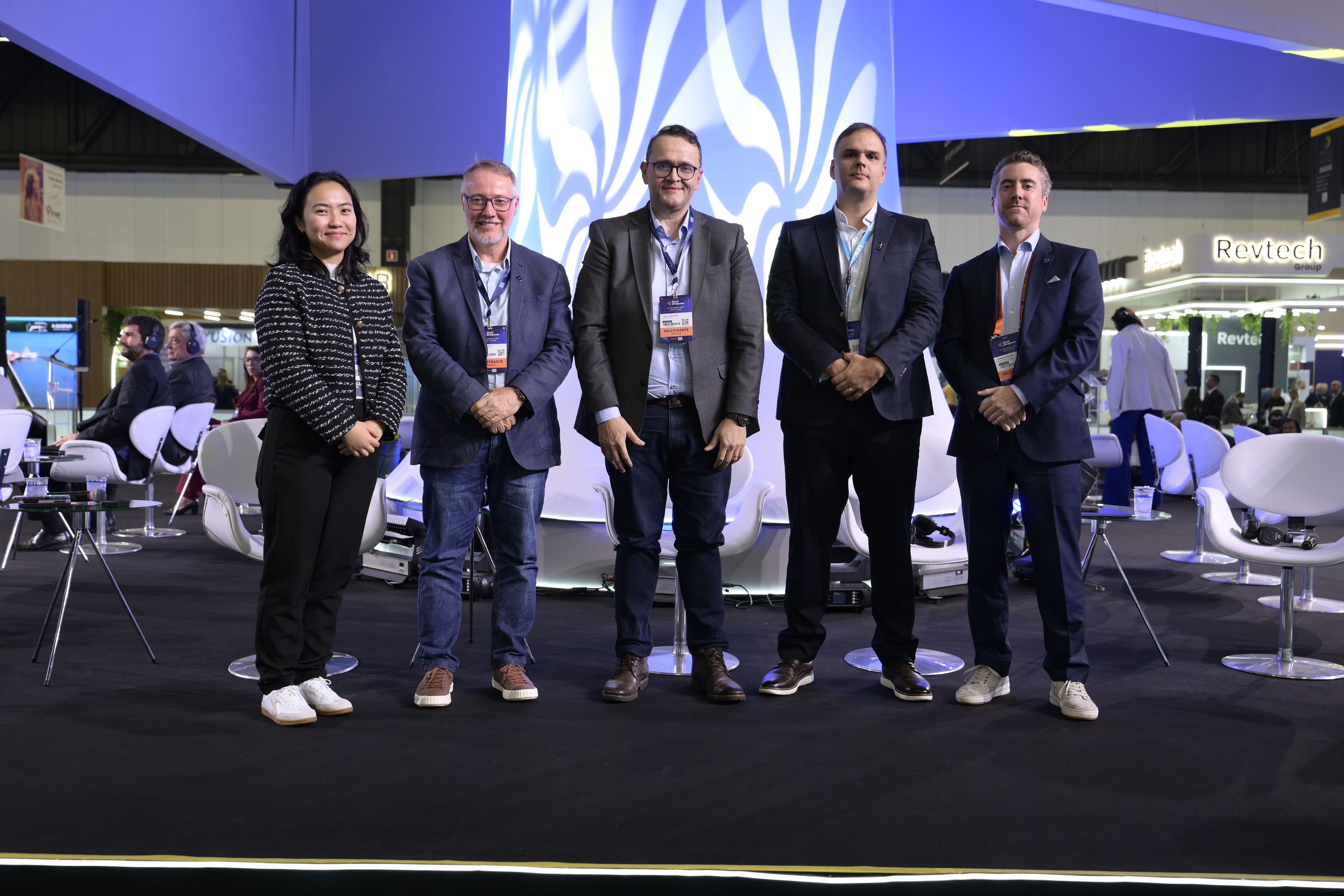
Representing GWO, Sergei Perapechka, Head of Stakeholder Relations, and Thomas Redmond, Senior Project Manager, attended Brazil Wind Power 2026 on 27–29 October, connecting with members, industry associations, service providers and training institutions to explore workforce needs and opportunities to strengthen safety training across the sector.
Organised by the Brazilian Wind Energy Association (ABEEólica) and the Global Wind Energy Council (GWEC), the 17th edition of Brazil Wind Power brought together around 4,800 participants and 110 exhibitors at the São Paulo Expo Center.
As one of the world's largest wind energy markets, Brazil remains a key player in the global energy transition. While new installations have slowed in recent years, the country's growing operations and maintenance (O&M) needs highlight the continued importance of a skilled, competent workforce.
Building Skills for Brazil's Evolving Wind Industry
Workforce development and occupational emerged as central themes during the event, with GWO contributing to two sessions on the conference's dedicated O&M stage.
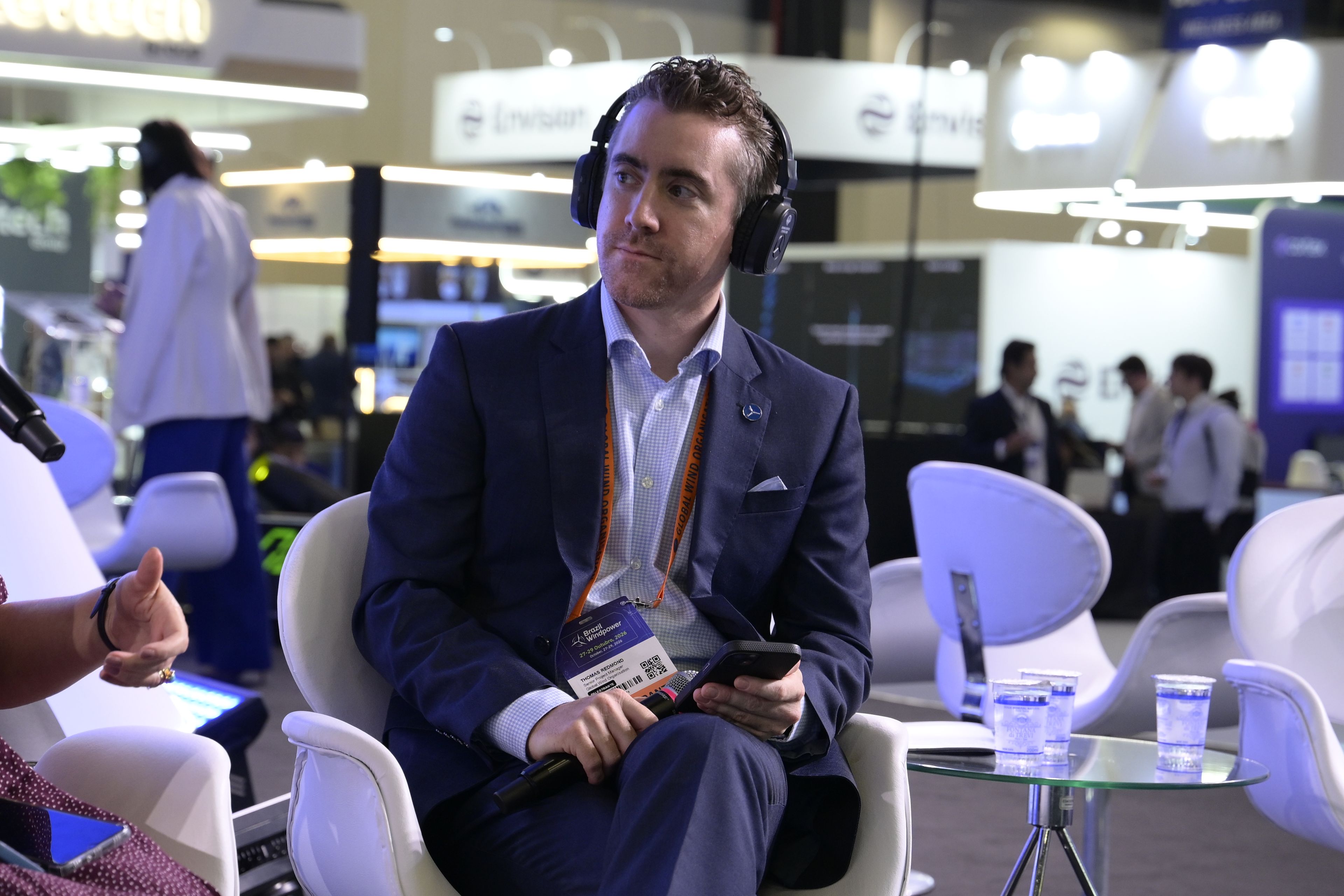
Thomas Redmond joined the panel discussion, "Capacity Building and Training: Strengthening the Learning Culture from Decision to Execution", alongside representatives from ABEEólica, Brazil's Ministry of Energy, SENAI and Vestas.
The discussion explored how closer collaboration between industry and vocational education institutions can help anticipate future workforce requirements and ensure training programmes remain aligned with technological developments and industry needs.
Participants also highlighted the importance of integrating internationally recognised training standards with Brazil's national regulatory requirements, helping to create more efficient training pathways while maintaining high standards of safety and competence.
A second session, "Occupational Safety", featured a discussion between Thomas Redmond and Amora Cavalcante, Director of SENAI's Centre for Gas Technologies and Renewable Energies (CTGAS-ER), focusing on vocational education and the development of future wind technicians.
Strengthening Training Pathways Through Industry Collaboration
A key example highlighted during the conference was the collaboration between SENAI and Vestas to develop a wind technician apprenticeship programme in Brazil.
The programme combines nationally recognised technical qualifications with GWO-certified training, providing students with both the technical knowledge and safety competencies needed to enter the wind industry.
The first cohort of 66 students recently graduated from the programme in Lagoa Nova, Rio Grande do Norte, receiving nationally recognised qualifications alongside GWO certificates.
Developed in close cooperation with industry, the initiative demonstrates how vocational education and standardised training can work together to support local employment opportunities and create pathways into the renewable energy workforce.
The programme has since expanded to additional locations, reflecting the potential for similar approaches to support workforce development across Brazil and other markets.
Supporting Alignment Between Global Standards and National Requirements
Another important focus was GWO’s continued collaboration with ABEEólica to promote the Guideline for Safety and Professional Training in the Wind Industry, jointly developed by the two organisations and launched in 2025.
The guideline provides a framework for aligning GWO training standards with Brazil's national occupational safety regulations, known as Normas Regulamentadoras (NRs).
By identifying opportunities to combine training requirements, the guideline aims to reduce unnecessary duplication, improve training efficiency and support the recognition of safety competencies across the industry.
Continuing Industry Collaboration in Brazil
Beyond the conference sessions, Brazil Wind Power provided a valuable opportunity for GWO to strengthen relationships with members, training providers and industry partners, while gaining further insights into the opportunities and challenges facing the Brazilian market.
As Brazil's wind industry evolves, the continued development of its operations and maintenance workforce, alongside preparations for future growth, will require close cooperation between employers, training institutions and industry associations.
GWO looks forward to building on the discussions in São Paulo and continuing its work with ABEEólica and industry stakeholders to support accessible, high-quality training and a safe, skilled workforce for the future of wind energy.
Featured stories
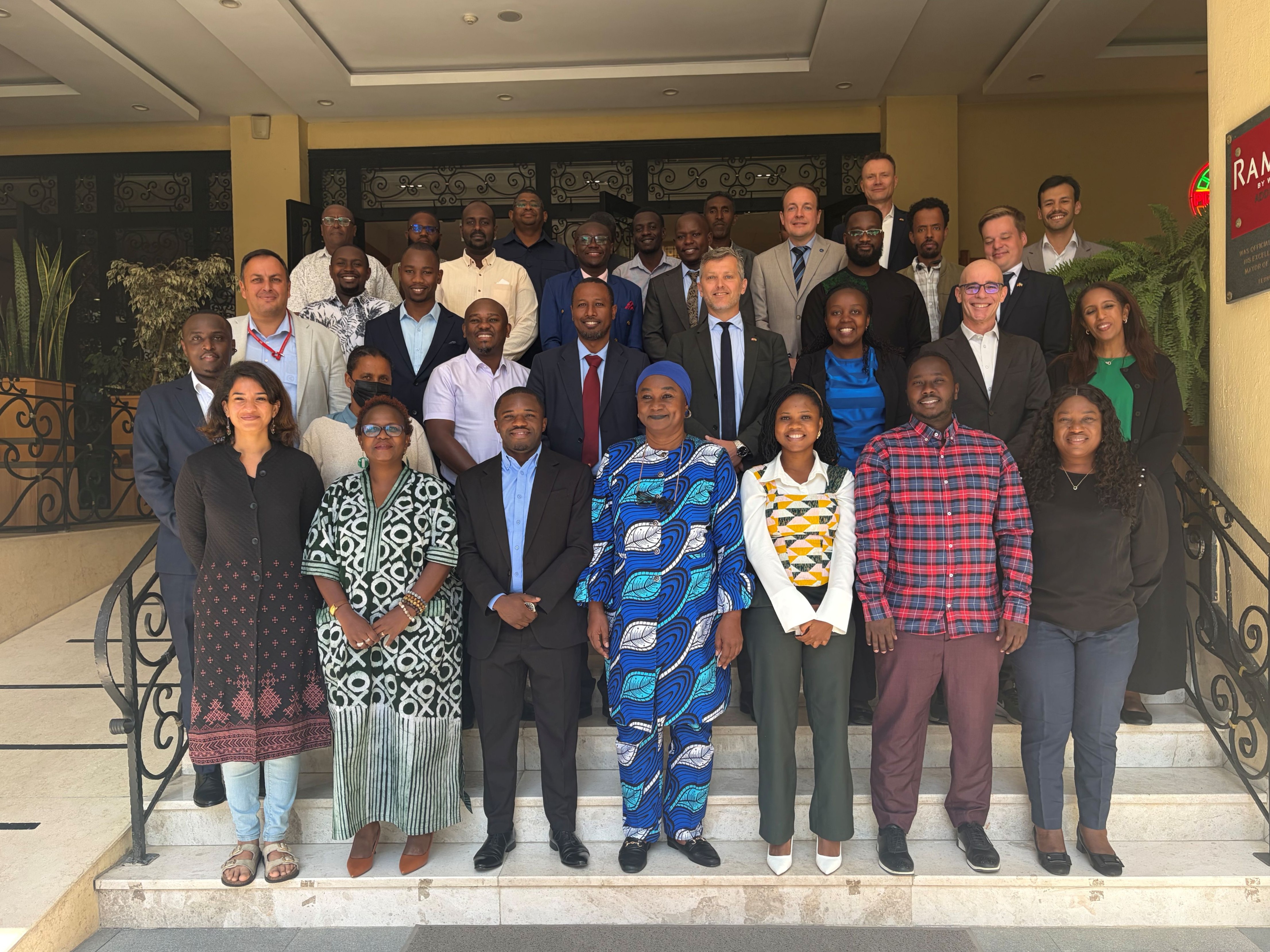
Building Africa's Renewable Energy Workforce: The Role of Common Training Standards
GWO recently joined renewable energy leaders, policymakers and training experts in Addis Ababa to explore how training standards can close skills gaps, strengthen local capabilities and support Africa's energy transition.
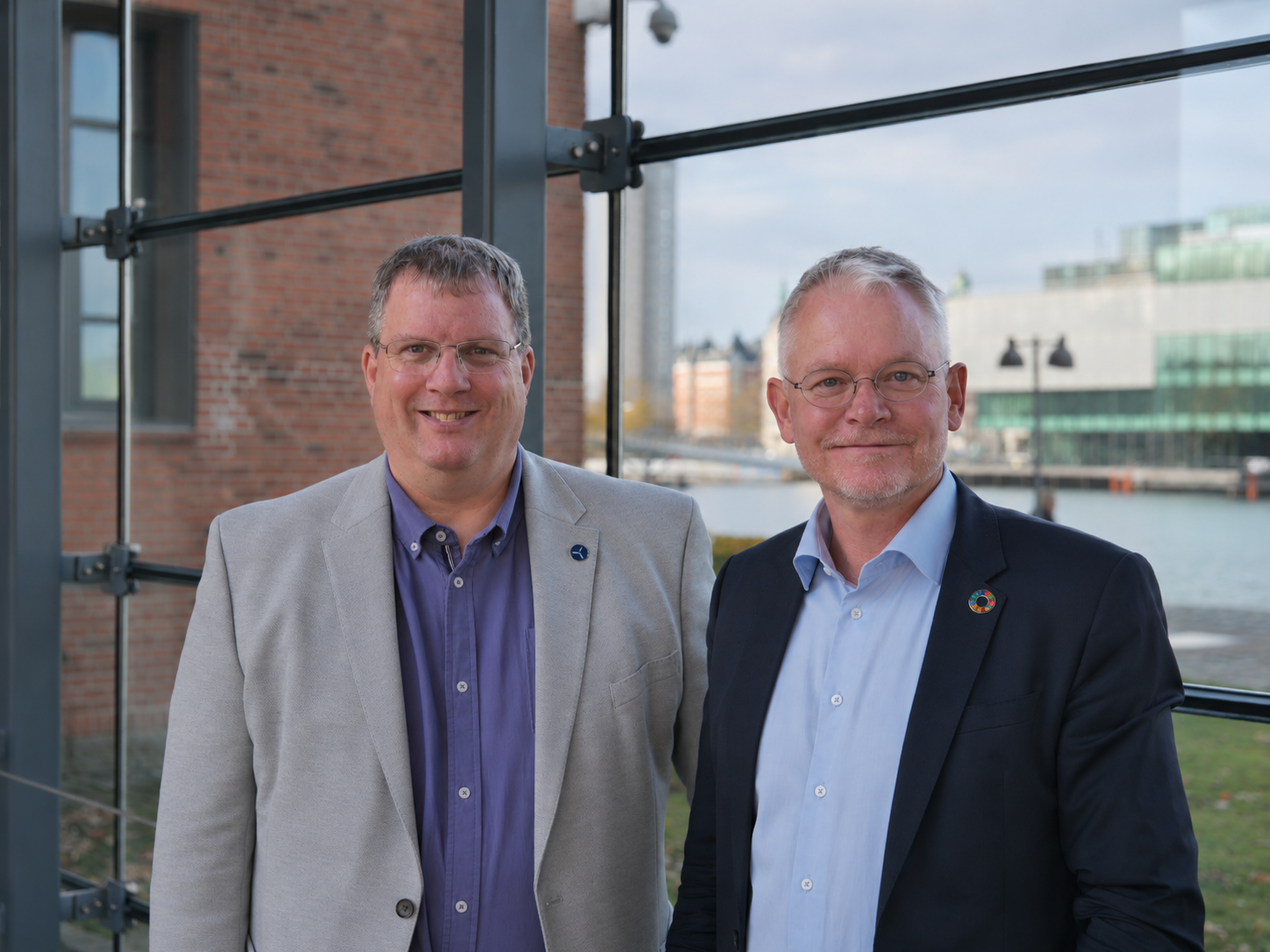
GWO Welcomes David Goodfellow as New Board Member
David Goodfellow of Nordex Group joins the GWO Board of Directors and the GWO Audit & Compliance Committee as Vice Chair.
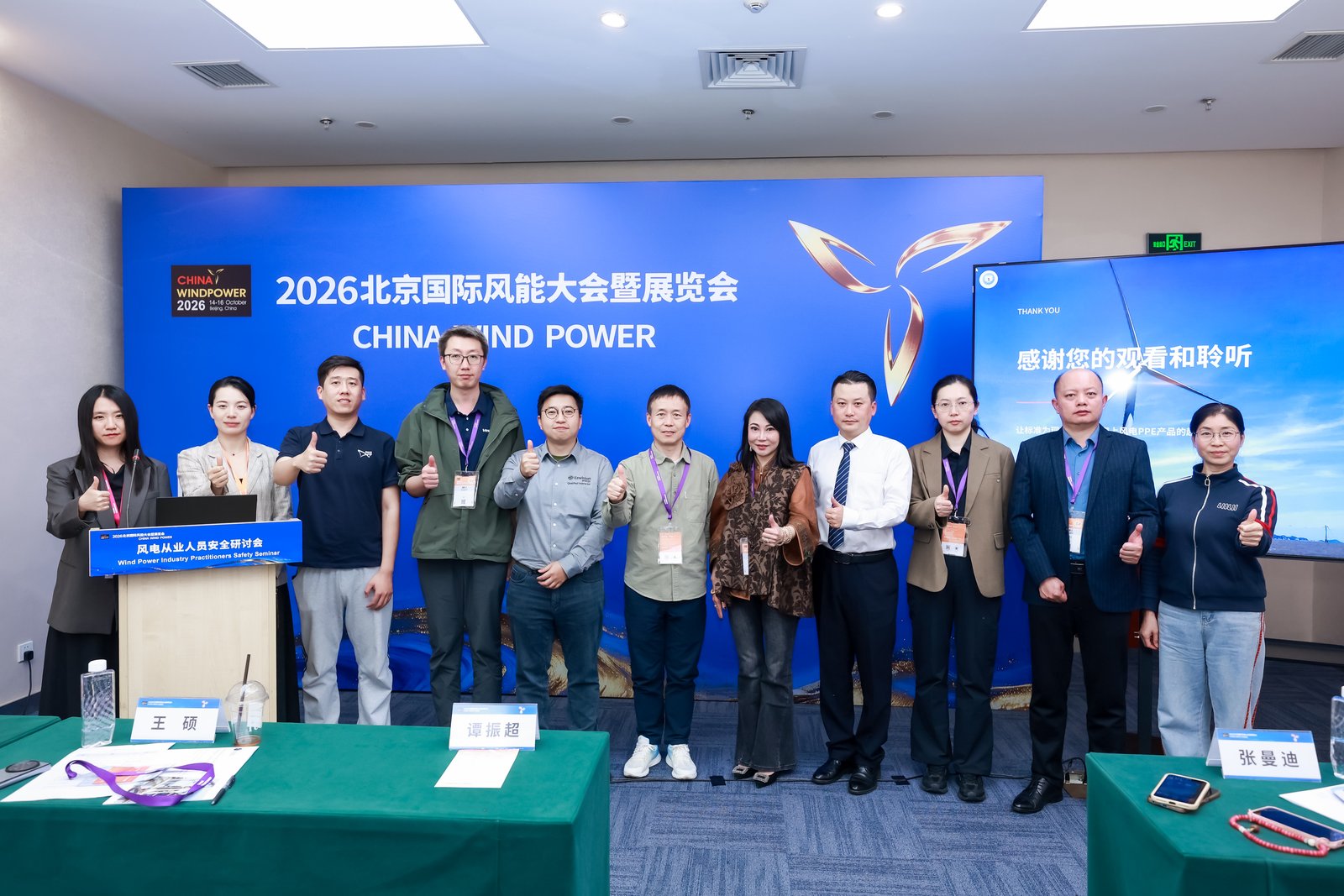
Safety and Skills Development on Show at China Wind Power 2026
GWO recently contributed to discussions on workforce safety and skills development at the 2026 Wind Power Industry Practitioners Safety Seminar, held alongside China Wind Power (CWP).
GWO Incidents Update: Q3 2026
Q3 saw levels of incident reporting remain consistent with those in Q2, reflecting the efforts the training community is taking to continue building a safety culture.
WINDA Turns 10: A Decade of Trusted Training Records
17 October 2026 marked exactly 10 years since the launch of WINDA, GWO’s global training records database, now an essential part of the renewables industry’s safety training infrastructure.
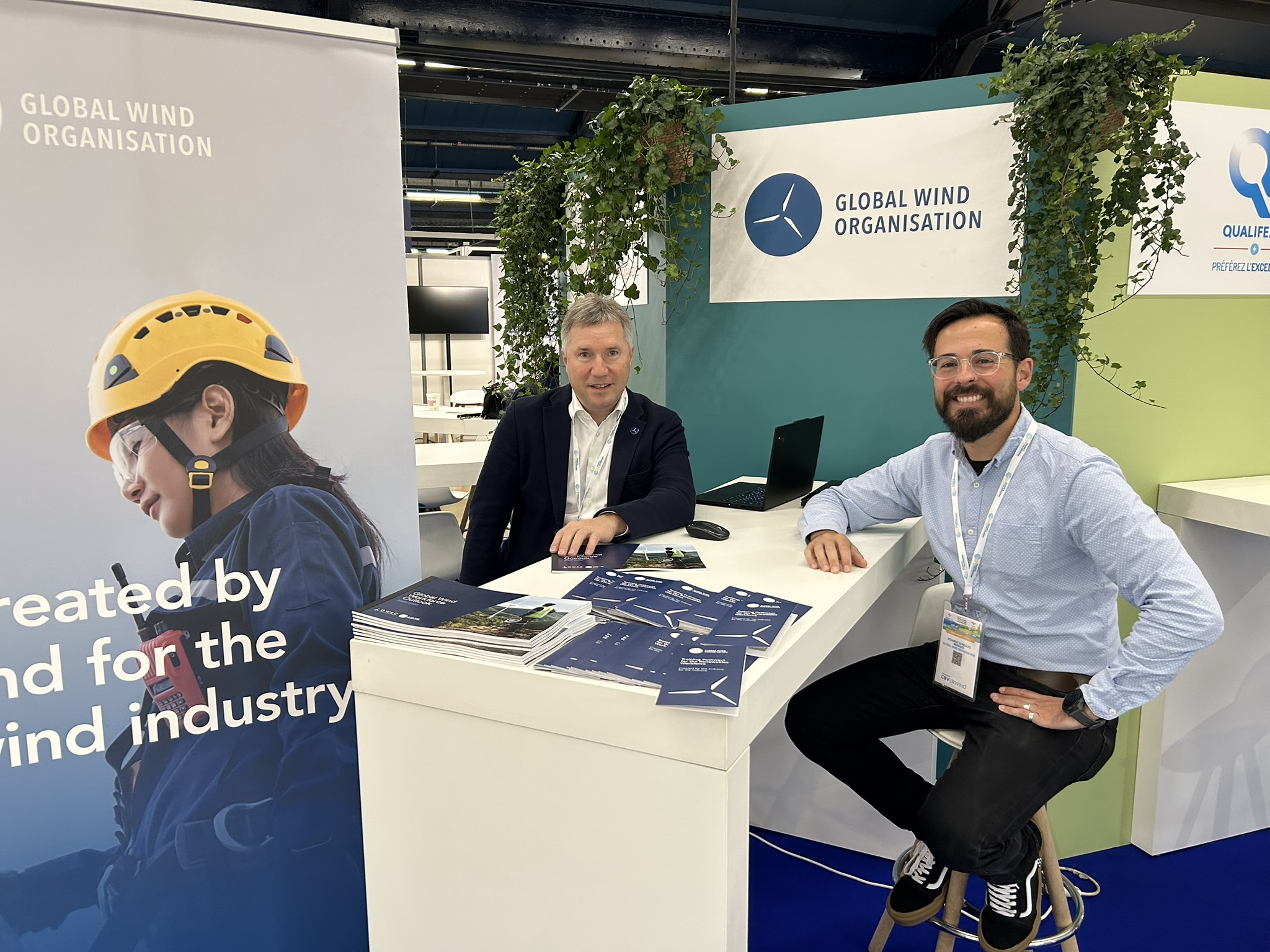
Strengthening industry connections at Colloque Nationale 2026
GWO recently joined renewable energy leaders, education institutions and Training Providers in Paris for the 16th France Renouvelables National Colloquium, to explore opportunities for strengthening workforce development and access to safety training across France's growing wind industry.