Building Africa's Renewable Energy Workforce: The Role of Common Training Standards
GWO recently joined renewable energy leaders, policymakers and training experts in Addis Ababa to explore how training standards can close skills gaps, strengthen local capabilities and support Africa's energy transition.
As renewable energy deployment accelerates across Africa, developing a skilled and safety-focused workforce is becoming increasingly important. But expanding renewable energy capacity requires more than investment in infrastructure. It also depends on access to high-quality training that meets the practical needs of industry.
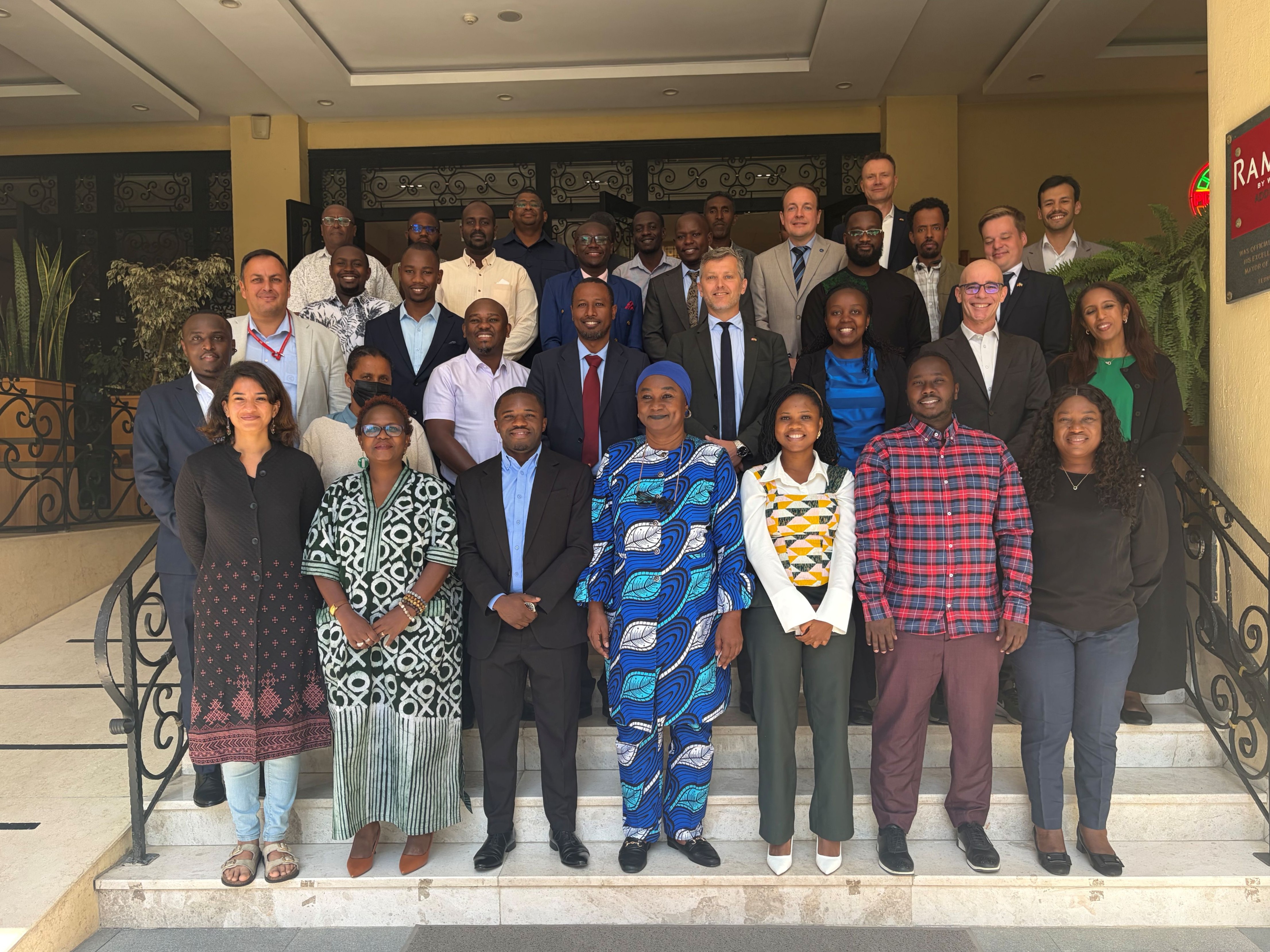
This was a central theme of the APRA–IRENA workshop, Building Africa's Renewable Energy Workforce: Jobs, Skills and Qualifications, held in Addis Ababa, Ethiopia, from 19–21 October 2026.
Supported by the Government of Denmark, the workshop brought together representatives from governments, industry associations, training institutions and universities to explore how Africa can develop the workforce needed to deliver its renewable energy ambitions.
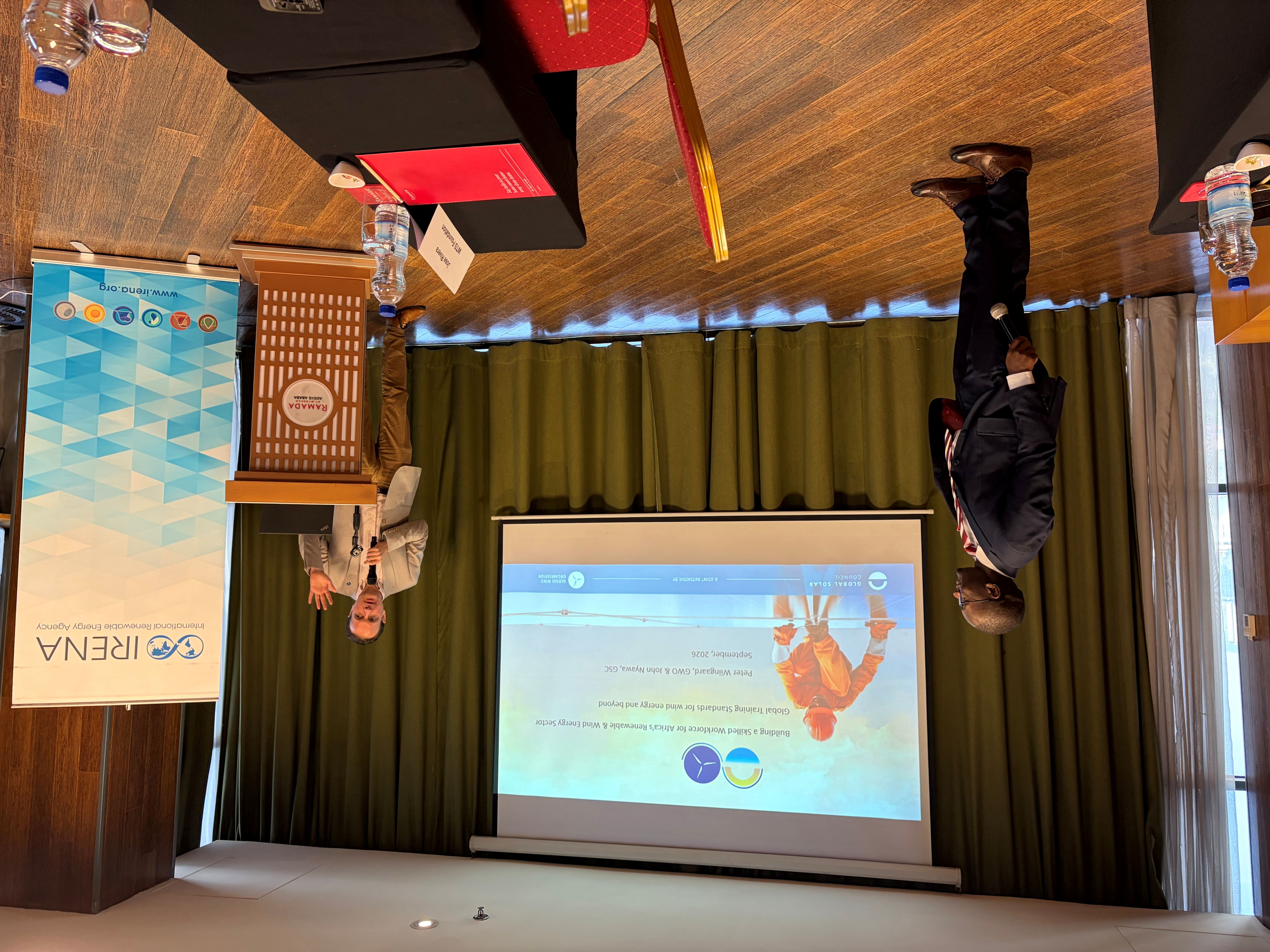
Representing GWO, Training Project Manager Peter Wiingaard joined John Nyawa from the Global Solar Council (GSC) to present industry-led training standards for wind and solar energy.
Closing the gap between training and industry needs
Throughout the workshop, a consistent message emerged: while renewable energy training initiatives exist across many African countries, significant challenges remain in aligning training with industry requirements.
Participants highlighted shortages of specialised technical skills, limited opportunities for practical training and continued reliance on international workforce for certain roles.
Another recurring concern was the fragmentation of training systems. Different institutions and countries often apply different requirements, making it difficult for employers to assess competencies and for workers to demonstrate their skills across borders.
These challenges underline the value of industry-led training standards and show how GWO standards can establish common expectations for safety and technical training and ensure that workforce competencies meet employers' needs.
Growing interest in internationally recognised standards
GWO and GSC's presentations generated considerable interest, particularly around how local training institutions could become certified to deliver GWO training.
Representatives from participating countries expressed interest in understanding the certification process, quality requirements and business models that could support local training provision.
Discussions also highlighted the importance of making recognised training accessible where renewable energy projects are being developed.
Connecting training with recognised qualifications
Another important theme was the r elationship between industry training standards, national qualifications frameworks and the recognition of existing skills and how greater alignment could support skills development and workforce mobility.
The workshop also demonstrated the diversity of Africa's solar sector, from utility-scale projects to commercial installations and decentralised mini-grids. While these markets have different operational needs, many fundamental safety and technical competencies are shared, creating opportunities for greater alignment in training approaches.
From dialogue to collaboration
Beyond sharing perspectives, the workshop opened opportunities for ongoing engagement, with further opportunities identified to exchange knowledge on qualifications frameworks and alignment between existing training programmes and industry requirements.
While these conversations remain exploratory, they reflect growing interest in internationally recognised, industry-led approaches to workforce development.
For GWO, the discussions in Addis Ababa reinforced a clear message: building renewable energy capacity and developing workforce capability must go hand in hand.
As engagement with African stakeholders continues, GWO looks forward to exploring how common training standards can help build a skilled, safe and internationally recognised renewable energy workforce across the continent.
Featured stories
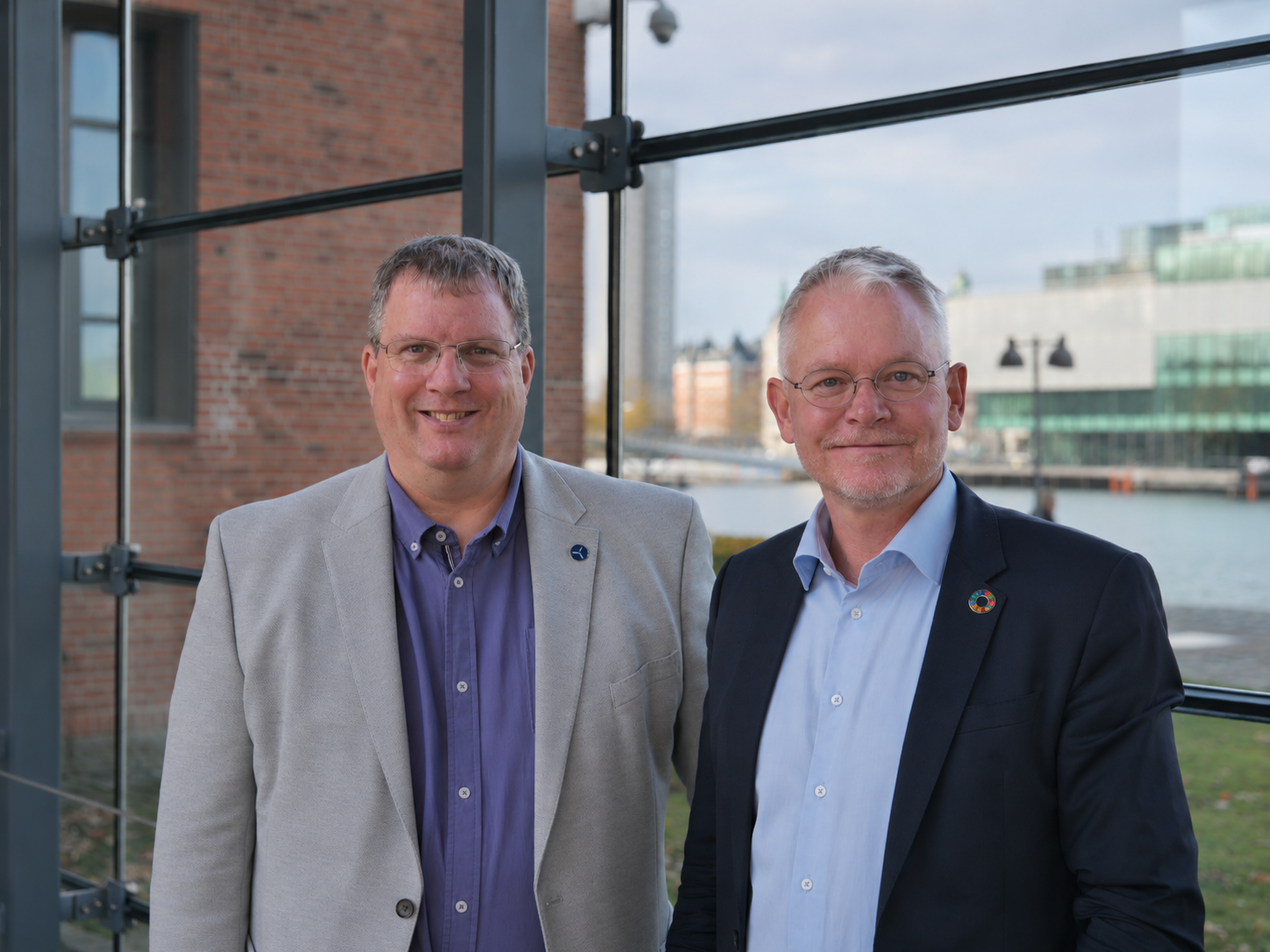
GWO Welcomes David Goodfellow as New Board Member
David Goodfellow of Nordex Group joins the GWO Board of Directors and the GWO Audit & Compliance Committee as Vice Chair.
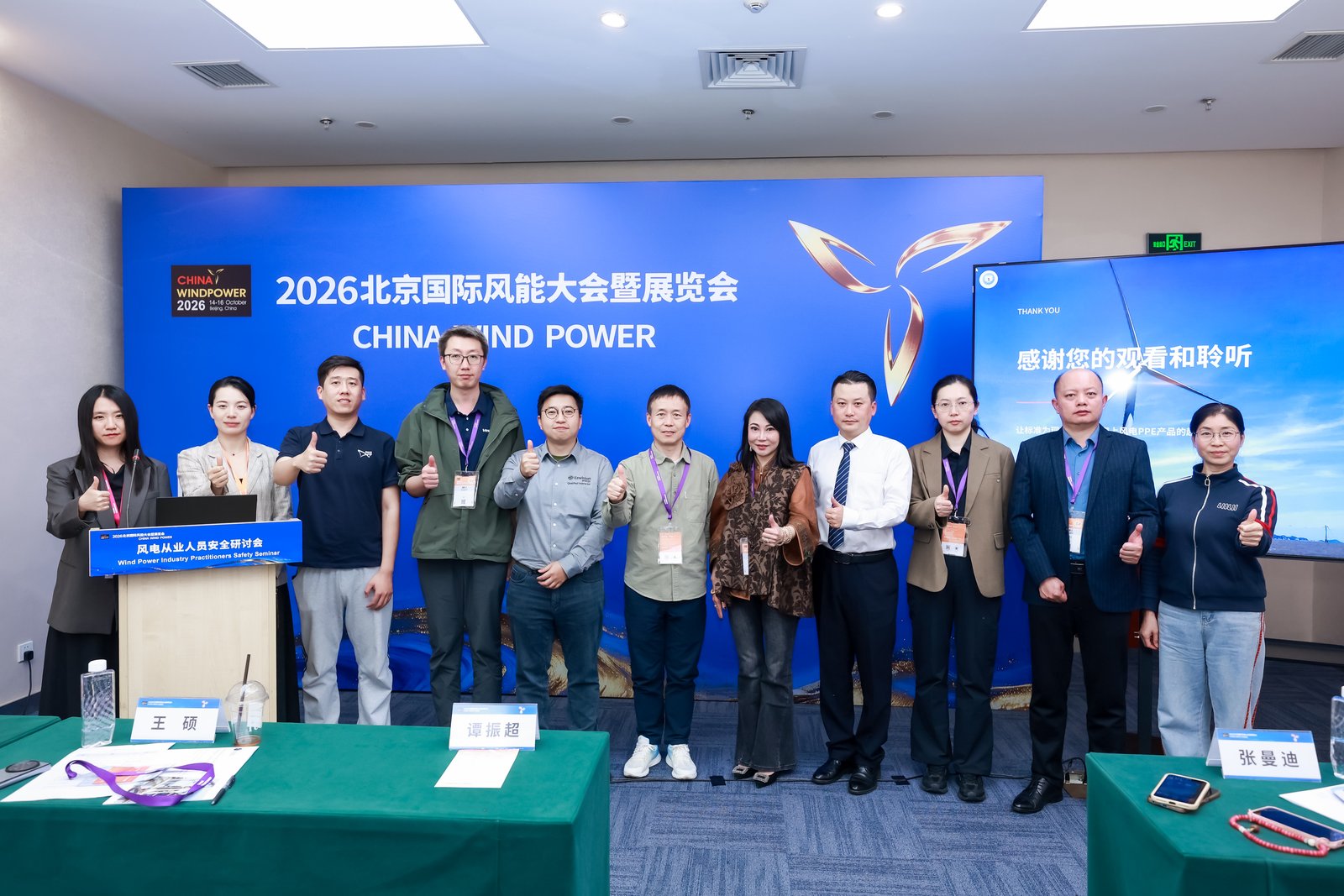
Safety and Skills Development on Show at China Wind Power 2026
GWO recently contributed to discussions on workforce safety and skills development at the 2026 Wind Power Industry Practitioners Safety Seminar, held alongside China Wind Power (CWP).
GWO Incidents Update: Q3 2026
Q3 saw levels of incident reporting remain consistent with those in Q2, reflecting the efforts the training community is taking to continue building a safety culture.
WINDA Turns 10: A Decade of Trusted Training Records
17 October 2026 marked exactly 10 years since the launch of WINDA, GWO’s global training records database, now an essential part of the renewables industry’s safety training infrastructure.
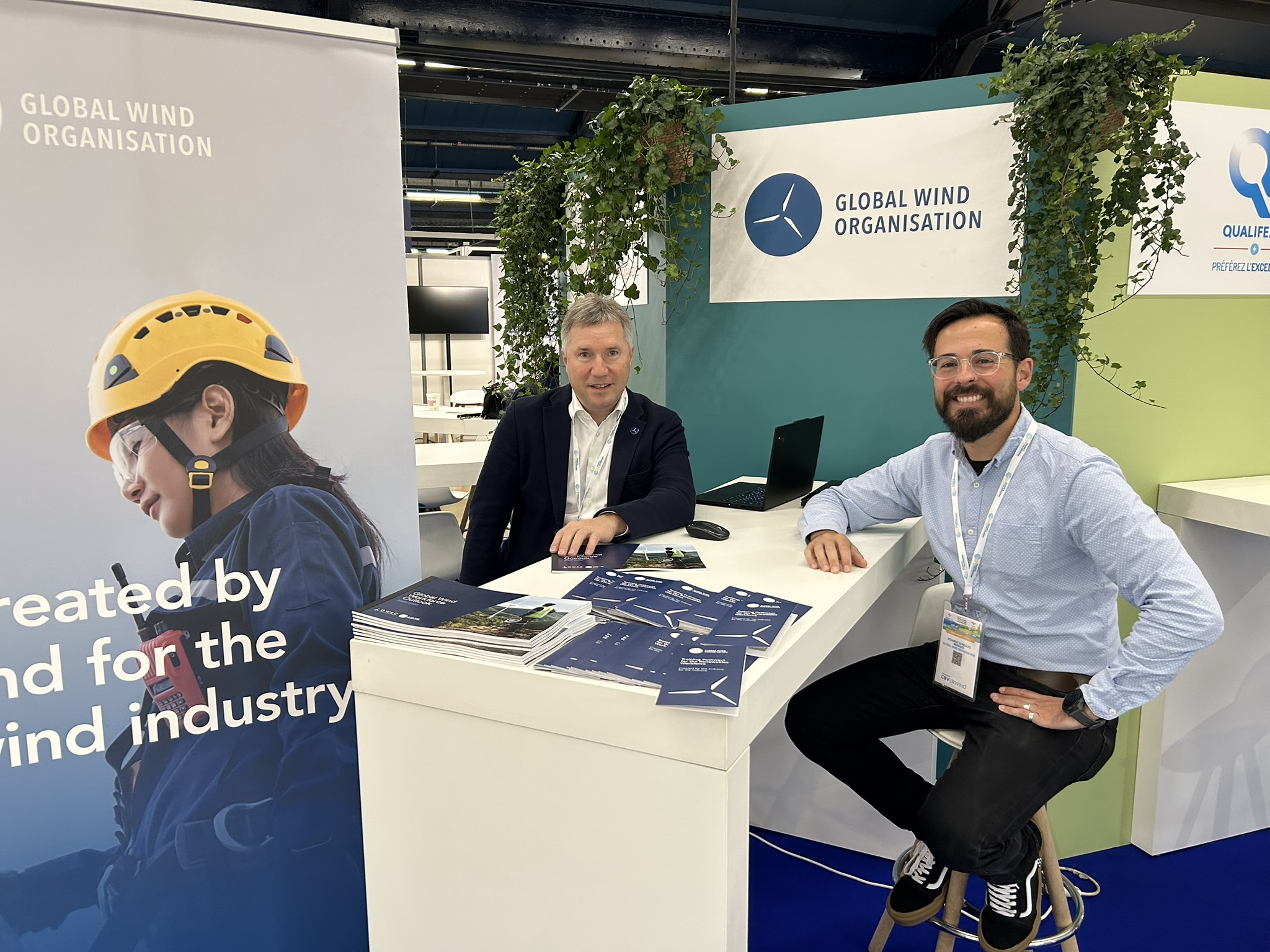
Strengthening industry connections at Colloque Nationale 2026
GWO recently joined renewable energy leaders, education institutions and Training Providers in Paris for the 16th France Renouvelables National Colloquium, to explore opportunities for strengthening workforce development and access to safety training across France's growing wind industry.