COP31: GWO and IRENA put workforce skills and mobility at the heart of the energy transition
At COP31 in Antalya, Türkiye, GWO and the International Renewable Energy Agency (IRENA) jointly hosted a discussion on the importance of internationally recognised skills, workforce mobility and industry collaboration in delivering the global energy transition.
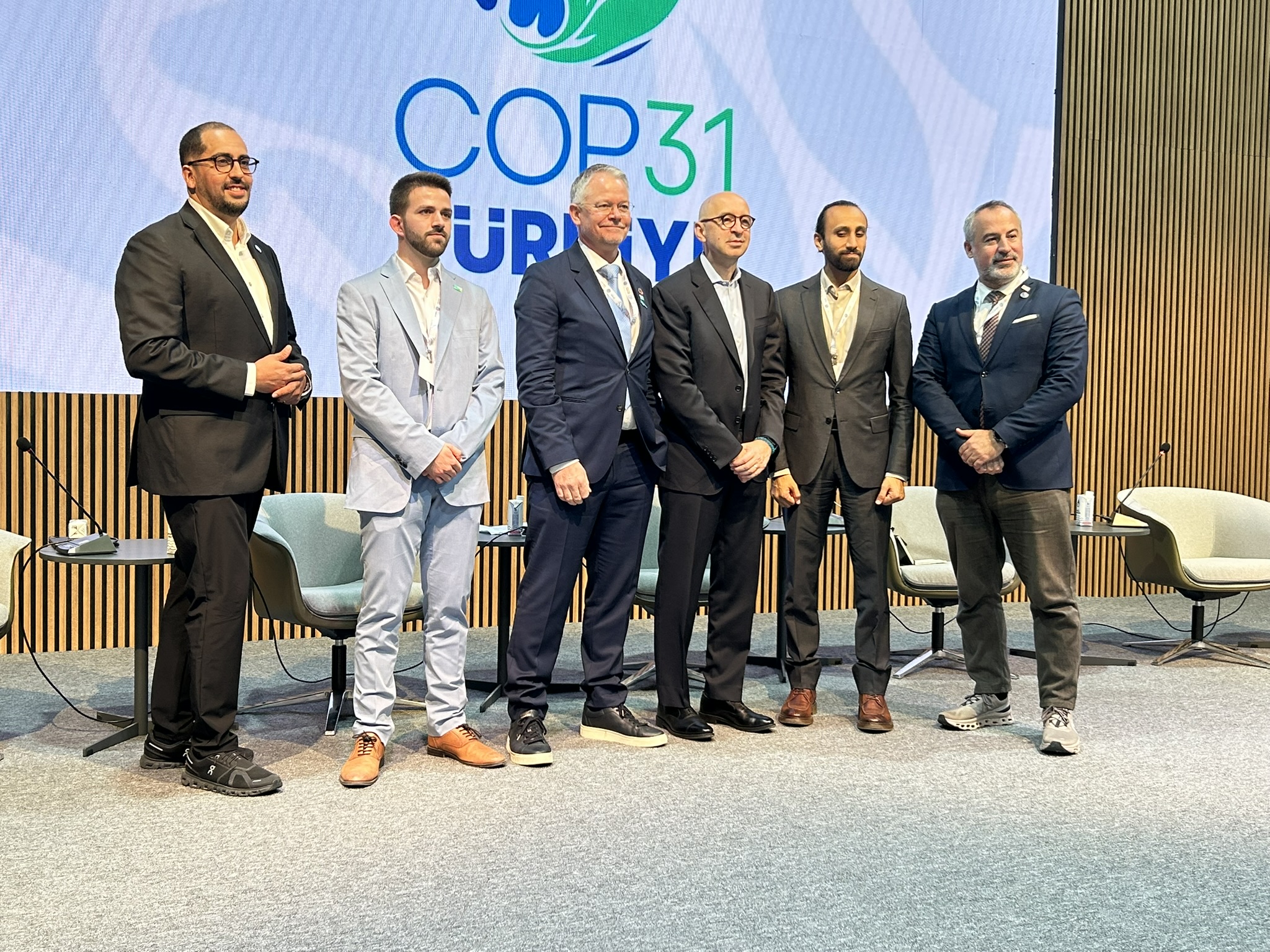
Held on 14 November as part of COP31's Children, Youth, Education & Skills Day, the session, "The Human Supply Chain for a Renewable Future: Recognising Renewable Energy Skills", brought together representatives from across the renewable energy industry to explore how shared training standards and recognition of competencies can help build the workforce needed to meet ambitious global electrification targets.
The session was held in light of the new 35 by 35 global electrification target which aims to increase electricity's share of global final energy consumption to 35% by 2035, the discussion highlighted a critical challenge: ensuring workforce development keeps pace with renewable energy deployment.
Watch the full recording here.
Building the workforce behind the energy transition
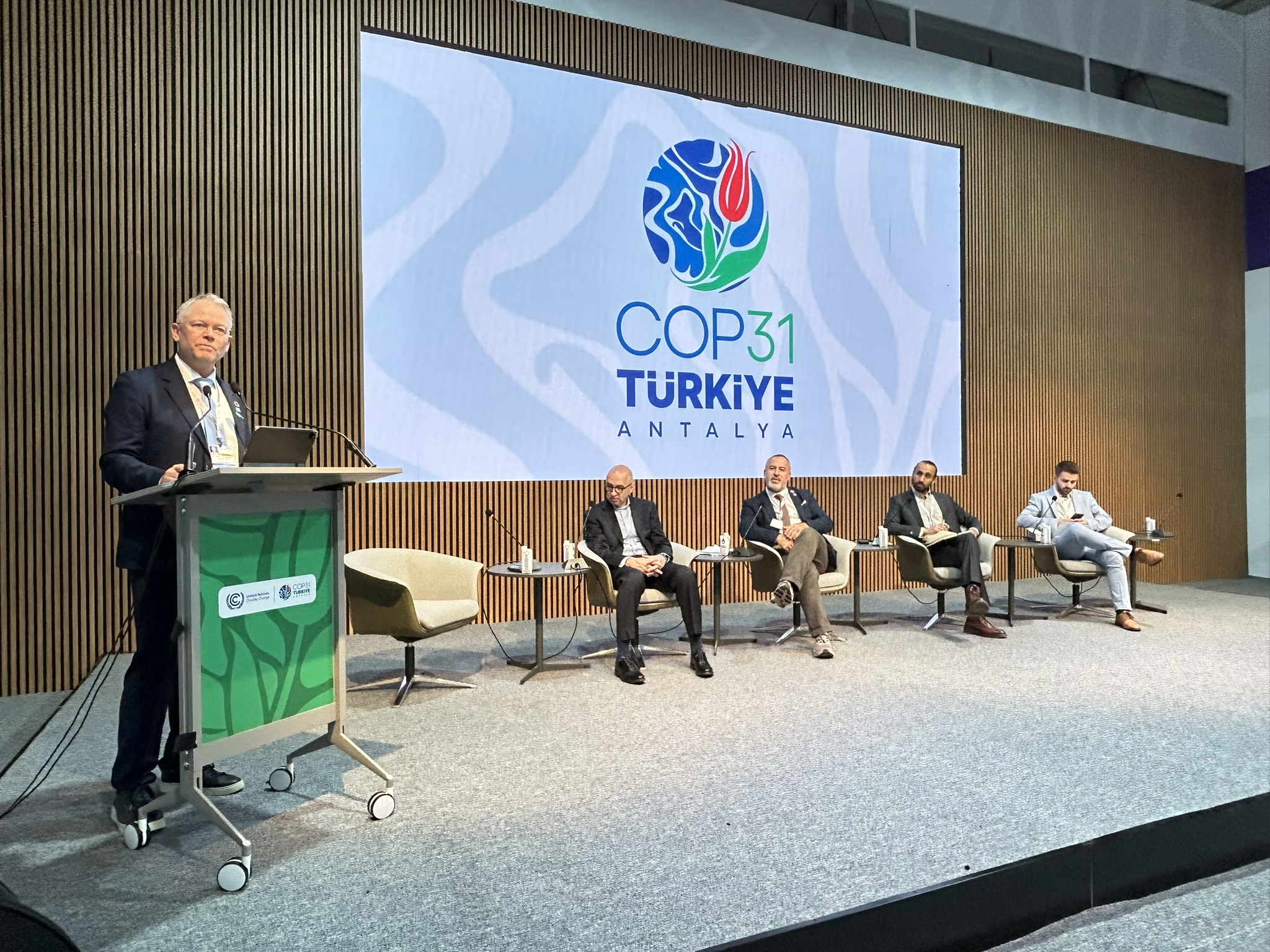
Opening the discussion with a keynote speech, GWO CEO Jakob Lau Holst highlighted the scale of the workforce challenge ahead.
Under the 35 by 35 ambition, more than one million technicians could be needed to install and maintain wind assets in the years after 2030, alongside more than four million working on utility-scale solar construction.
As the industry expands, it will increasingly depend on younger workers and people transitioning from other sectors, making access to high-quality, standardised safety and technical training more important than ever.
"When experience is thinner, the foundation has to be stronger. Common, high-quality training in safety and core technical skills makes sure everyone arrives on site with the same baseline, whatever their background."
Jakob Lau Holst, CEO, GWO
Jakob also emphasised that workforce mobility will be essential to meeting growing demand. However, fragmented certification and qualification systems can force technicians to repeat training when moving between employers, technologies or countries, creating unnecessary costs and barriers.
A shared approach to skills recognition
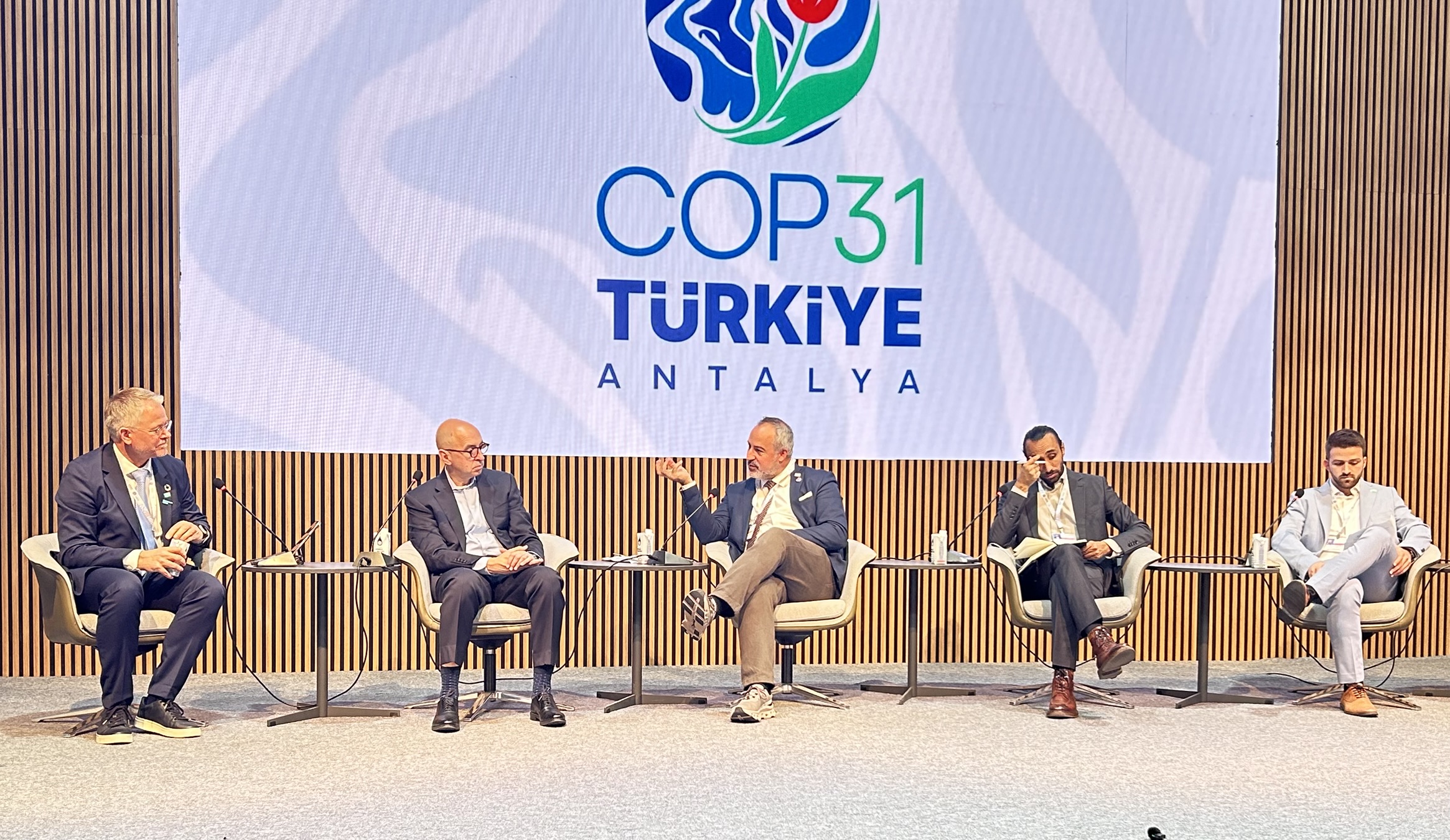
The session featured contributions from:
- JC Sandberg, Chief Policy Officer, American Clean Power Association (ACP)
- Miguel Pereira, Executive Assistant to the CEO, Global Wind Energy Council (GWEC)
- Abdallah Alshamali, Policy & Projects Director, Global Solar Council (GSC)
- Ulaş Yıldız, Senior Labor Policy Expert, International Organisation of Employers (IOE)
Moderated by Jakob Lau Holst, the discussion explored opportunities to improve the recognition and transferability of renewable energy competencies across sectors and borders.
A central theme was the need for stronger collaboration between governments, industry and training providers to develop shared skills pathways, reduce duplicated training and support workers moving between renewable energy technologies.
GWO's internationally recognised training standards already provide a foundation for transferable entry-level skills in wind energy, with the organisation also collaborating with the Global Solar Council on training standards for the solar sector.
The next challenge is to build on this foundation, creating clearer pathways towards higher levels of competence that can be recognised across employers and markets.
Turning ambition into action
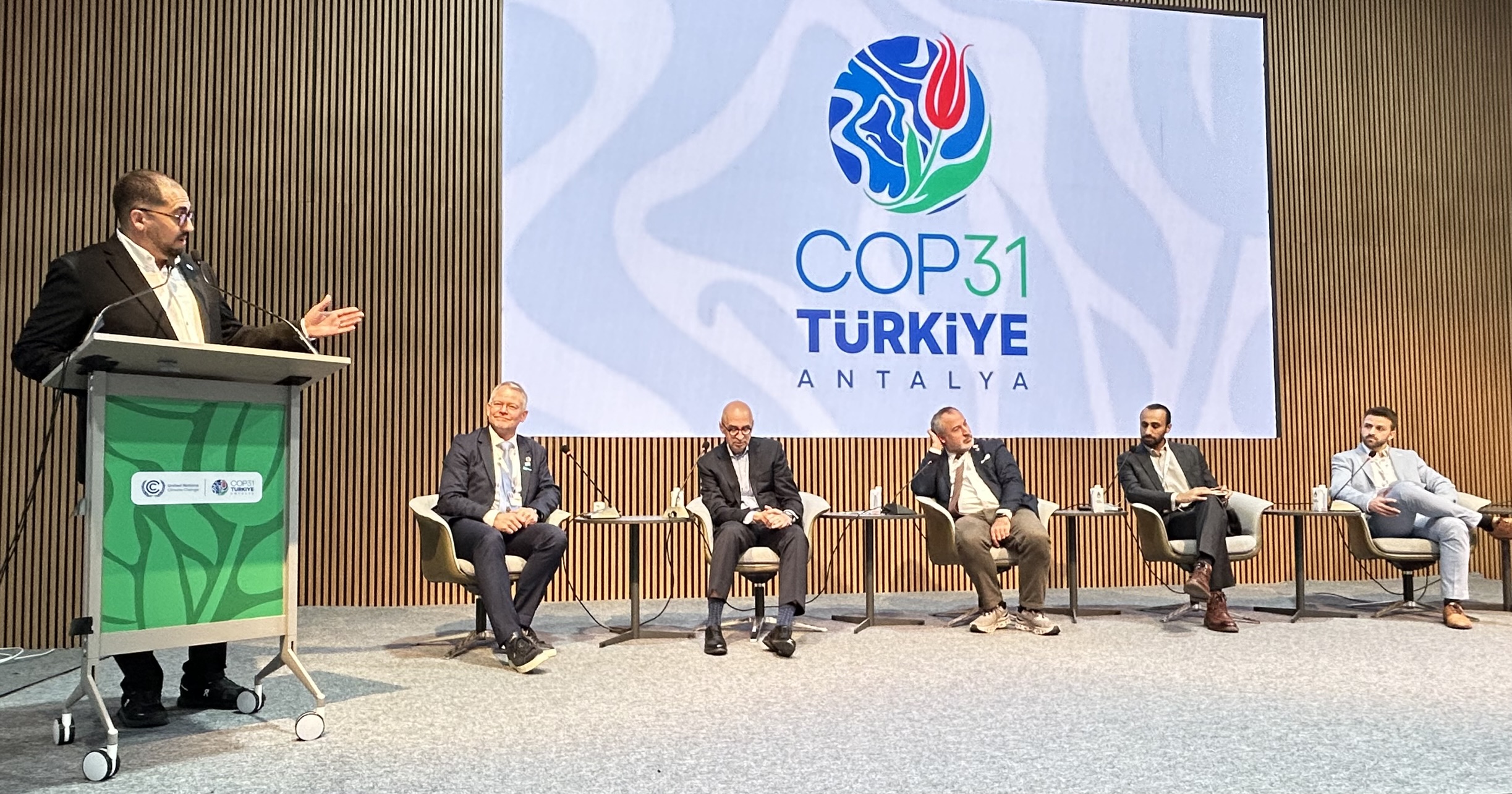
The session concluded with remarks from Simon Benmarraze, Head of Strategic Infrastructure at IRENA, reinforcing the importance of international collaboration in addressing renewable energy workforce challenges.
"Our work and collaboration with GWO is specific. We want employment evidence to be strong, We want to convene both the planning of renewables across the world, with the skills conversation with the members of IRENA"
Simon Benmarraze, Head of Strategic Infrastructure at IRENA
The joint GWO–IRENA session reinforced the importance of treating workforce development as a central part of renewable energy planning, alongside investment in infrastructure and technology.
As the global energy transition accelerates, internationally recognised training, portable competencies and stronger industry collaboration will be essential to creating a safe, skilled and mobile workforce.
GWO looks forward to continuing its collaboration with IRENA and industry partners to advance shared skills recognition and support the workforce powering the global energy transition.
Featured stories
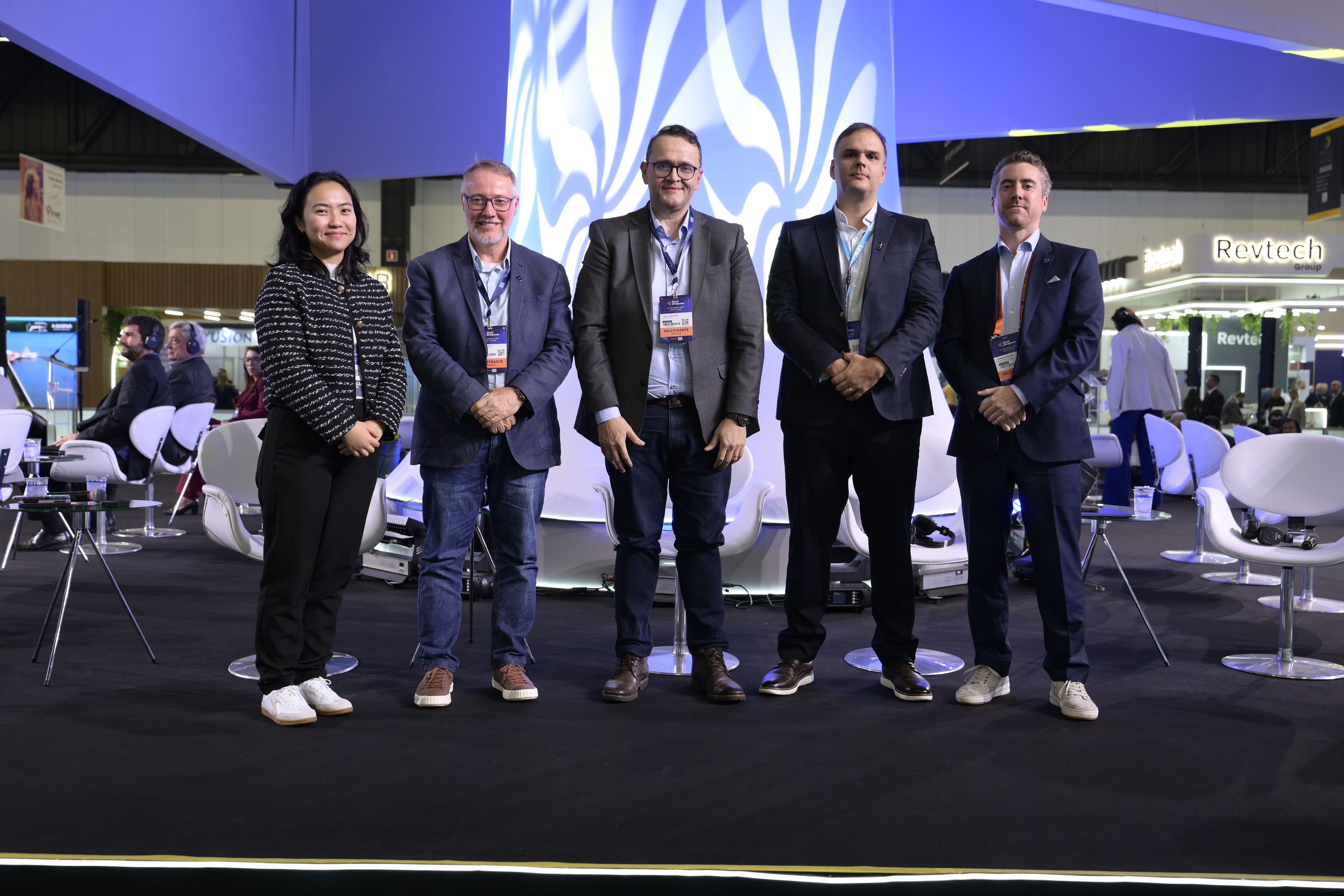
Strengthening Wind Workforce Training and Safety at Brazil Wind Power 2026
GWO recently joined wind energy leaders and industry stakeholders in São Paulo to discuss workforce development, safety and the role of standardised training in supporting Brazil's wind energy future.
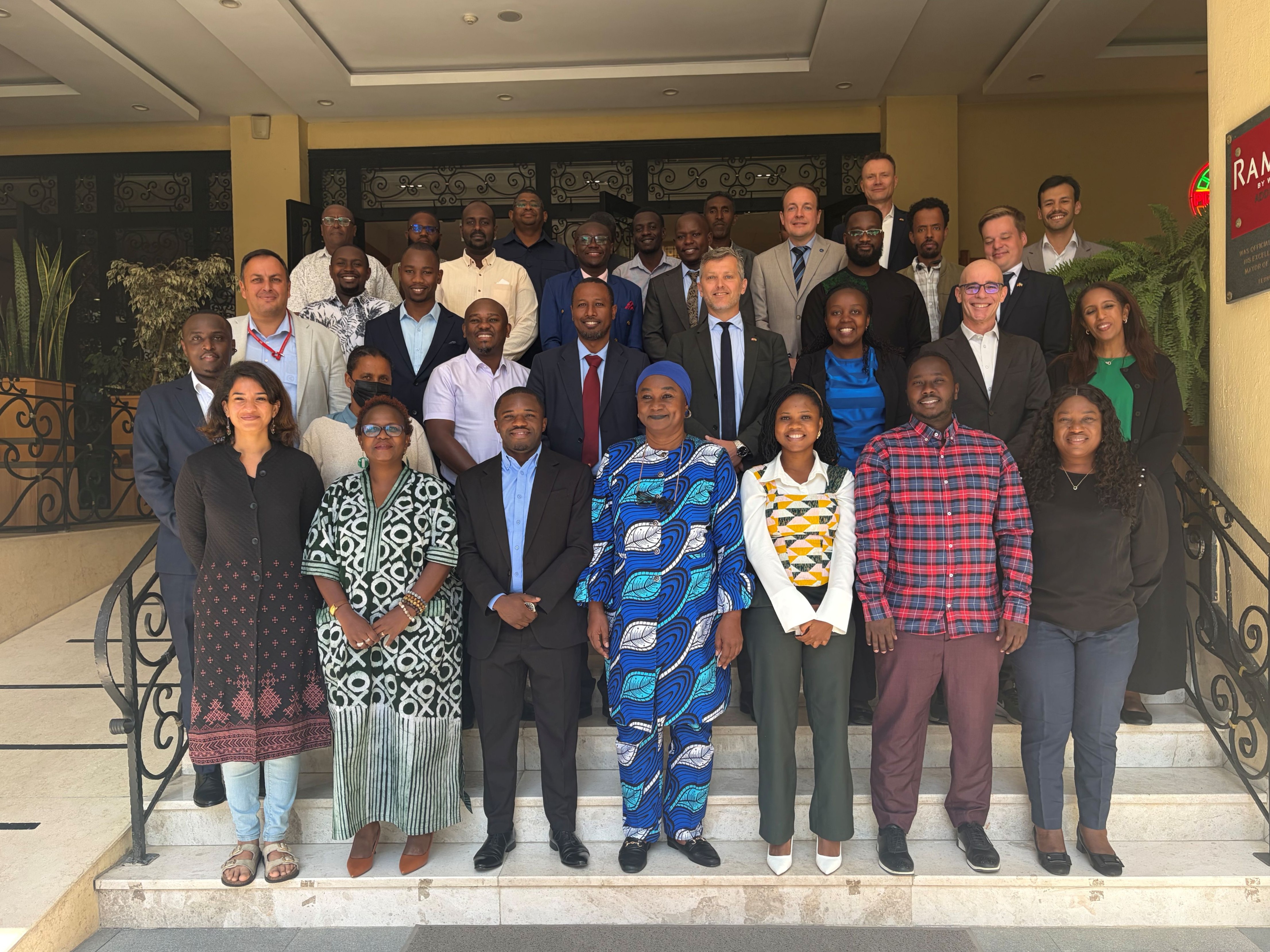
Building Africa's Renewable Energy Workforce: The Role of Common Training Standards
GWO recently joined renewable energy leaders, policymakers and training experts in Addis Ababa to explore how training standards can close skills gaps, strengthen local capabilities and support Africa's energy transition.
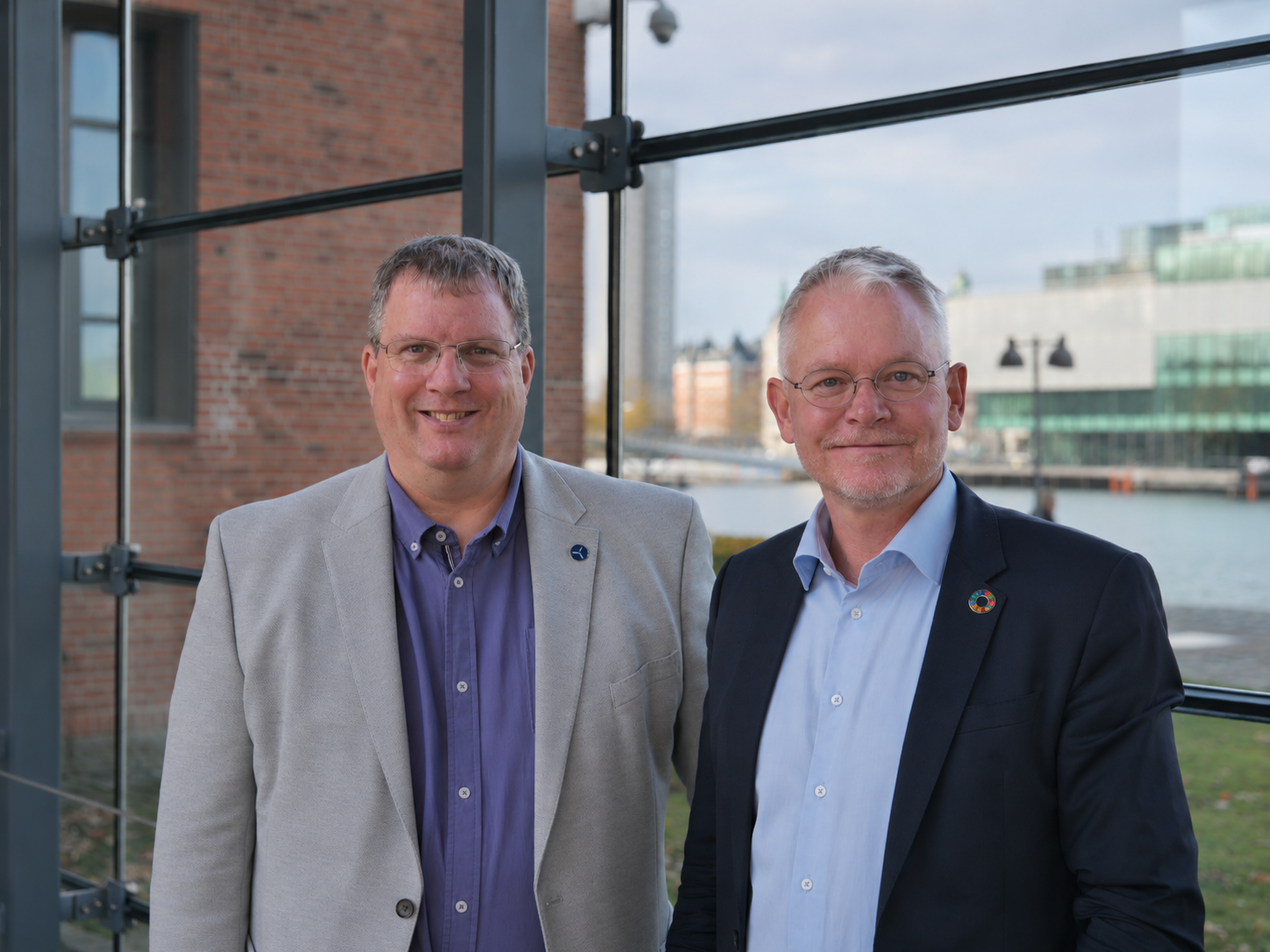
GWO Welcomes David Goodfellow as New Board Member
David Goodfellow of Nordex Group joins the GWO Board of Directors and the GWO Audit & Compliance Committee as Vice Chair.
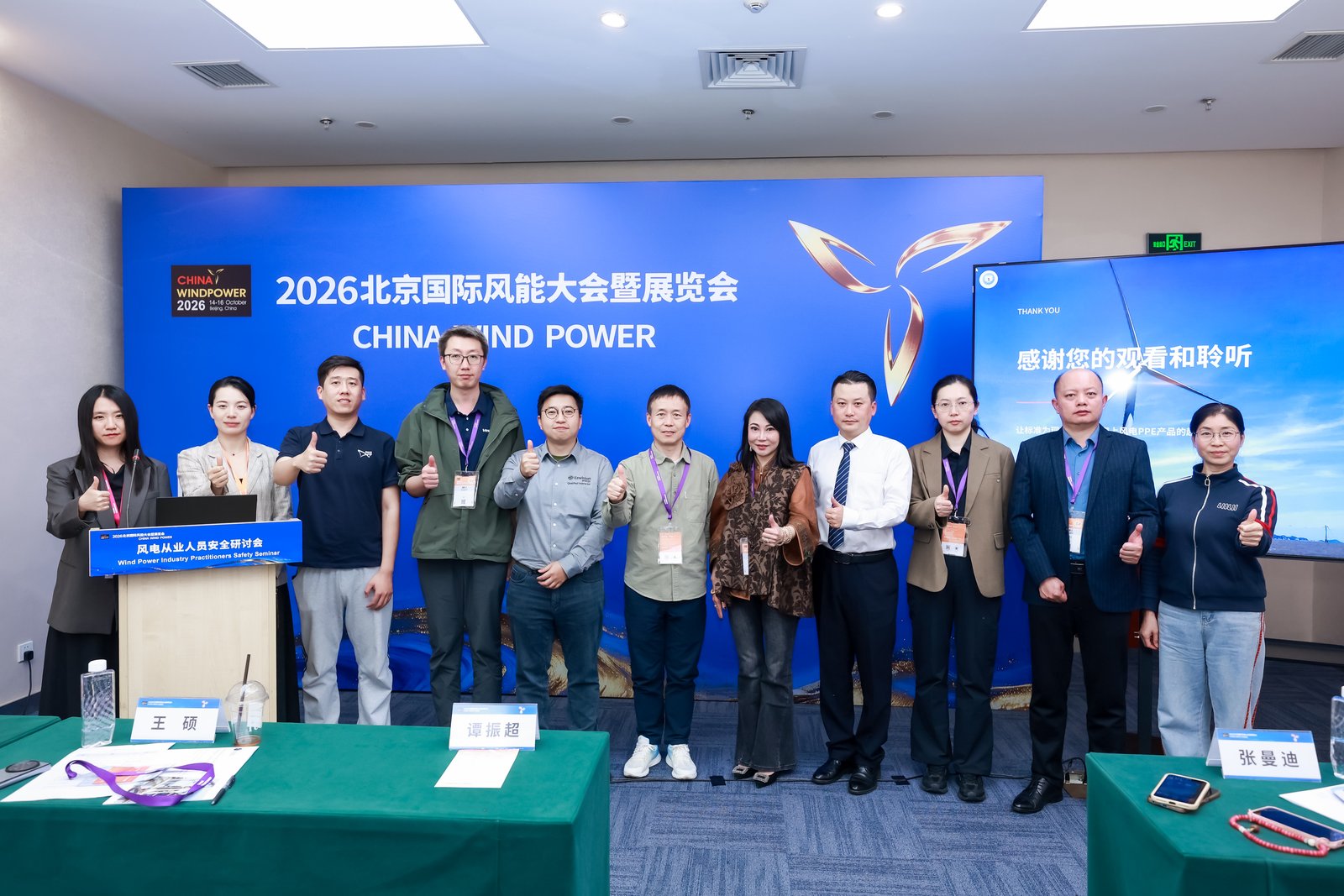
Safety and Skills Development on Show at China Wind Power 2026
GWO recently contributed to discussions on workforce safety and skills development at the 2026 Wind Power Industry Practitioners Safety Seminar, held alongside China Wind Power (CWP).
GWO Incidents Update: Q3 2026
Q3 saw levels of incident reporting remain consistent with those in Q2, reflecting the efforts the training community is taking to continue building a safety culture.
WINDA Turns 10: A Decade of Trusted Training Records
17 October 2026 marked exactly 10 years since the launch of WINDA, GWO’s global training records database, now an essential part of the renewables industry’s safety training infrastructure.