Strengthening Industry Connections and Workforce Development in Canada
GWO’s Alex Øbell Nielsen recently attended Electricity Transformation Canada 2026 in Toronto to connect with renewable energy stakeholders, gain insights into the Canadian market and explore how industry-led training standards can support a skilled and safety-focused workforce.
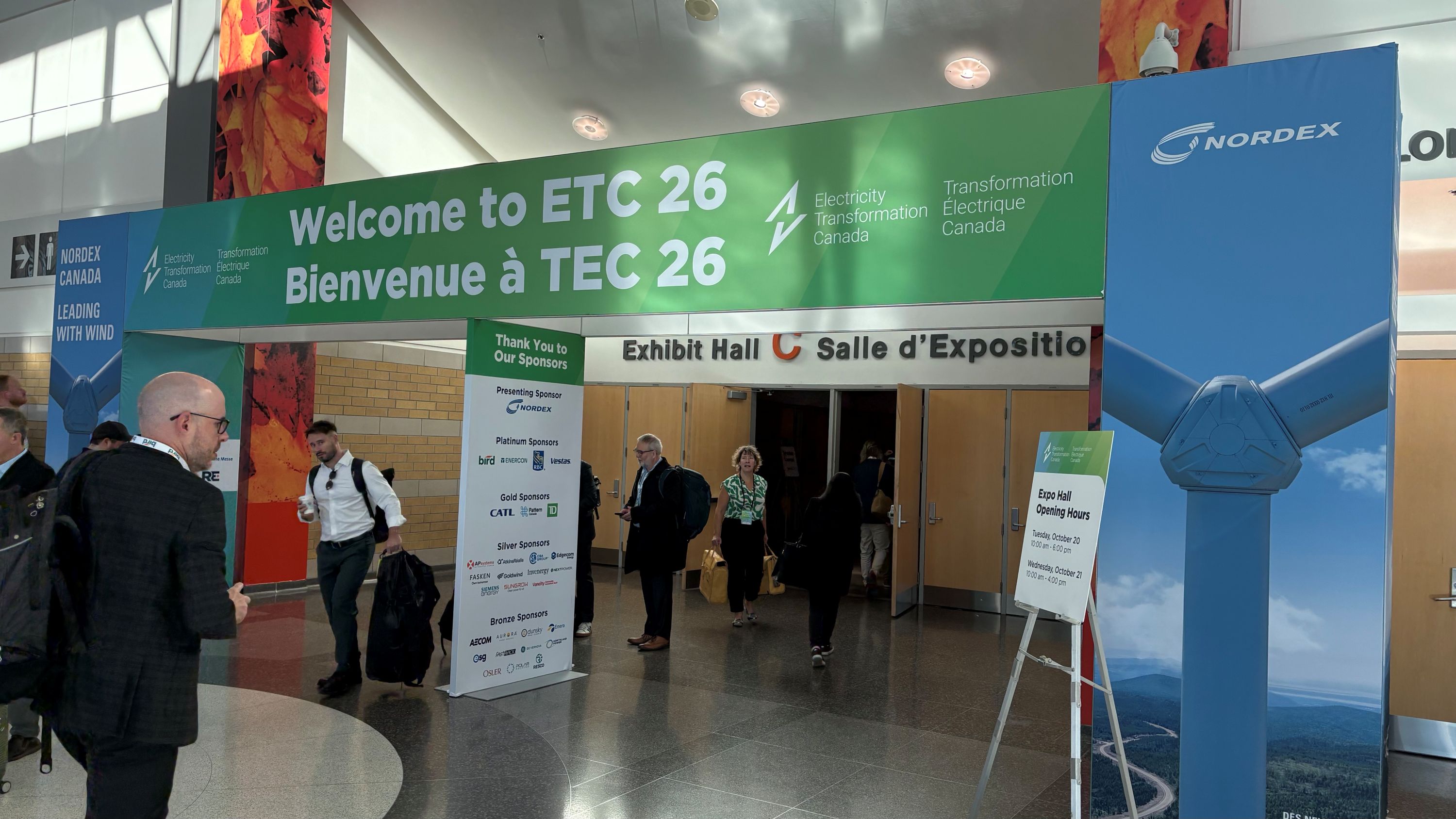
As Canada's renewable energy sector continues to evolve, developing and maintaining a skilled workforce remains essential to supporting the country's energy transition. With an established wind industry and growing opportunities in solar energy and battery energy storage, access to relevant, high-quality training plays an important role in meeting the industry's needs.
This was part of the broader context at Electricity Transformation Canada (ETC) 2026, held in Toronto from 19–21 October. The event brought together representatives from renewable energy businesses, utilities, government organisations, Indigenous organisations and other stakeholders to discuss key topics including renewable energy development, grid modernisation, energy storage technologies and business growth opportunities.
An established wind industry with ongoing workforce needs
Canada has a significant established wind energy sector, with approximately 18.7 GW of installed capacity at the end of 2025 and although new wind installations slowed in 2025, the country's existing wind fleet continues to create a need for skilled technicians to operate, service and maintain turbines safely.
For GWO, this highlights an important aspect of the Canadian market: that workforce development is not only about preparing technicians for new installations but ensuring that those working on existing assets have access to relevant, industry-recognised training.
With electricity demand expected to increase, maintaining a competent and safety-focused workforce will remain essential to supporting Canada's renewable energy ambitions.
Connecting with stakeholders across the industry
One of the key benefits of attending ETC was the opportunity to engage with a broad range of stakeholders across Canada's renewable energy sector.
With organisations involved in wind, solar, energy storage and electricity infrastructure present, the event provided a valuable platform for exchanging perspectives, strengthening existing relationships and establishing new connections.
These conversations offered insights into the different challenges facing the industry, from workforce development and technical training to the application of consistent safety requirements across companies and projects.
For GWO, it was an important opportunity to engage directly with industry stakeholders and understand how training standards are applied in practice and identify where greater alignment could benefit employers, training providers and technicians.
The discussions also highlighted opportunities to strengthen the consistent application of training standards throughout the wind energy supply chain.
Supporting consistent training standards
As Canada's renewable energy industry develops, standardised training remains an important consideration. With multiple companies and contractors involved in the construction, operation and maintenance of wind projects, common training requirements can establish consistent expectations for safety and technical competencies.
The conversations at ETC reinforced the value of continued industry engagement to better understand how these standards are being applied and where opportunities exist to strengthen consistency.
The event's broader focus on solar energy and battery energy storage also provided useful perspectives on the changing workforce requirements associated with Canada's energy transition.
Continuing engagement in Canada
With a substantial installed wind fleet and ongoing operations and maintenance activities, Canada remains an important market for industry-recognised safety and technical training.
For GWO, the event reinforced the importance of working closely with industry stakeholders to ensure that training standards remain relevant, accessible and aligned with workforce needs.
Supporting Canada's renewable energy transition requires continued investment not only in technologies and infrastructure, but also in the skills and safety of the people who build, operate and maintain them.
Featured stories
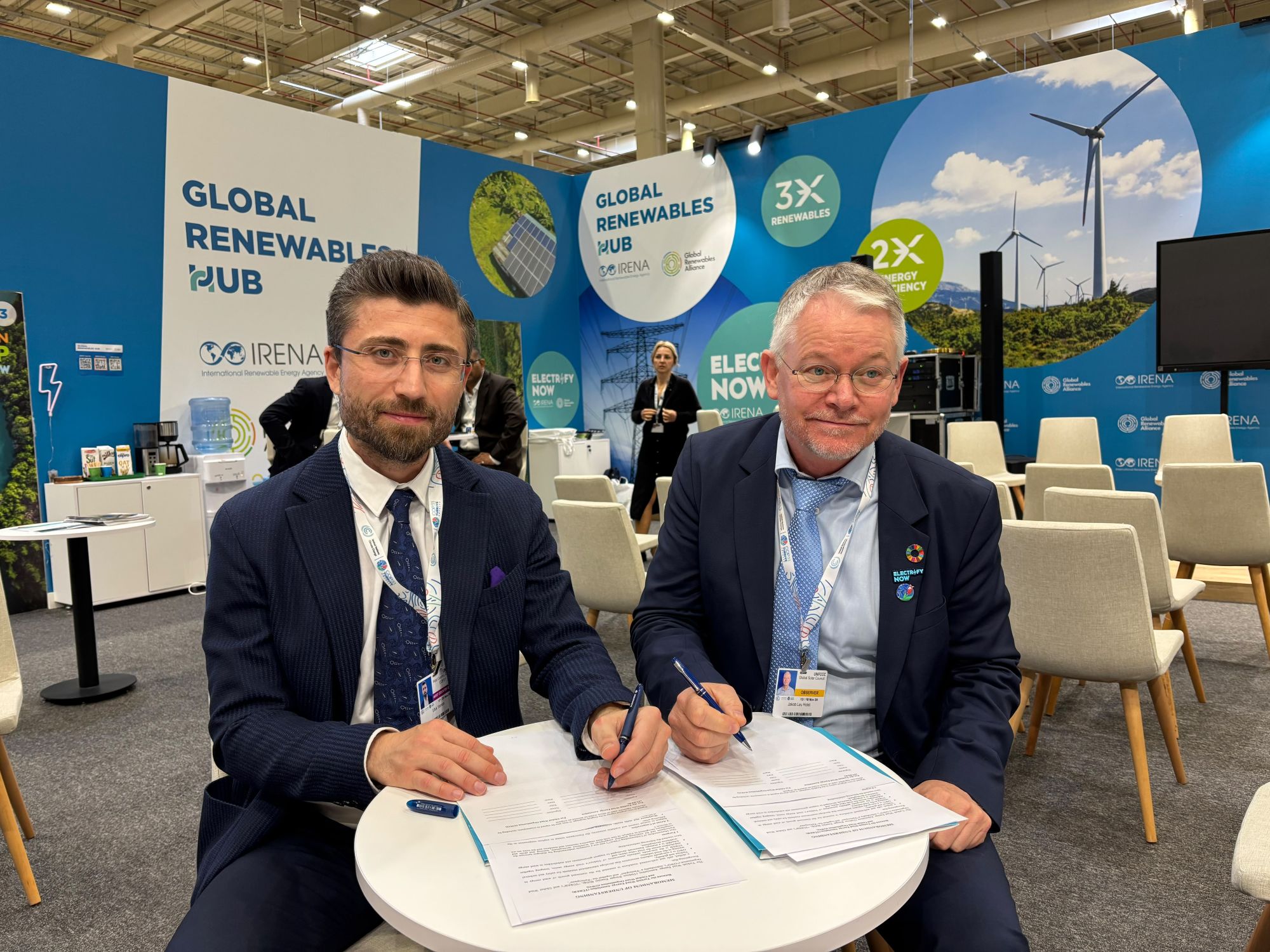
GWO and TÜREB sign MoU to explore collaboration in Türkiye
The newly signed agreement explores a framework for dialogue and cooperation on workforce development, safety training and skills recognition in Türkiye’s growing wind energy sector.
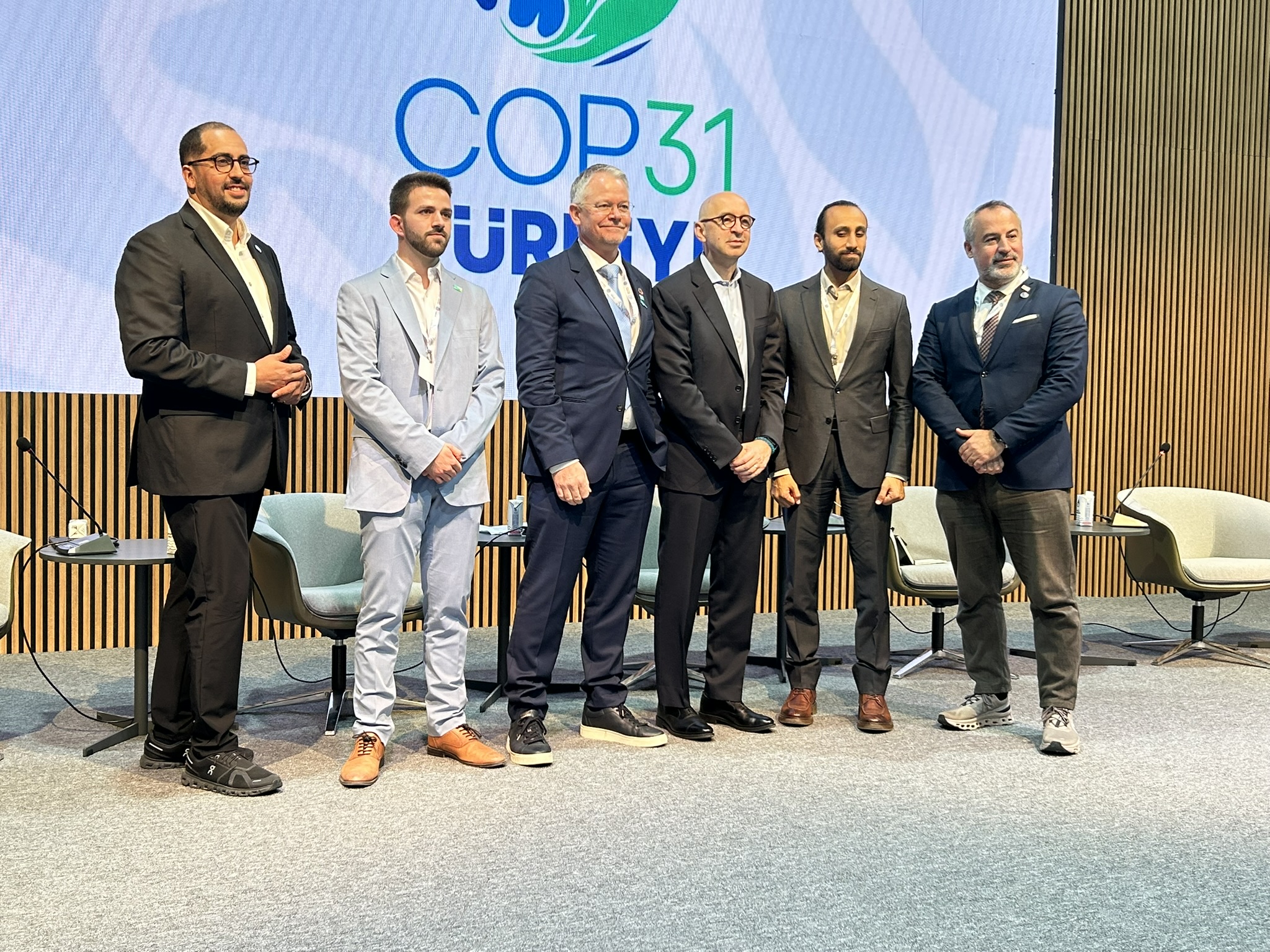
COP31: GWO and IRENA put workforce skills and mobility at the heart of the energy transition
At COP31 in Antalya, Türkiye, GWO and the International Renewable Energy Agency (IRENA) jointly hosted a discussion on the importance of internationally recognised skills, workforce mobility and industry collaboration in delivering the global energy transition.

Strengthening Wind Workforce Training and Safety at Brazil Wind Power 2026
GWO recently joined wind energy leaders and industry stakeholders in São Paulo to discuss workforce development, safety and the role of standardised training in supporting Brazil's wind energy future.
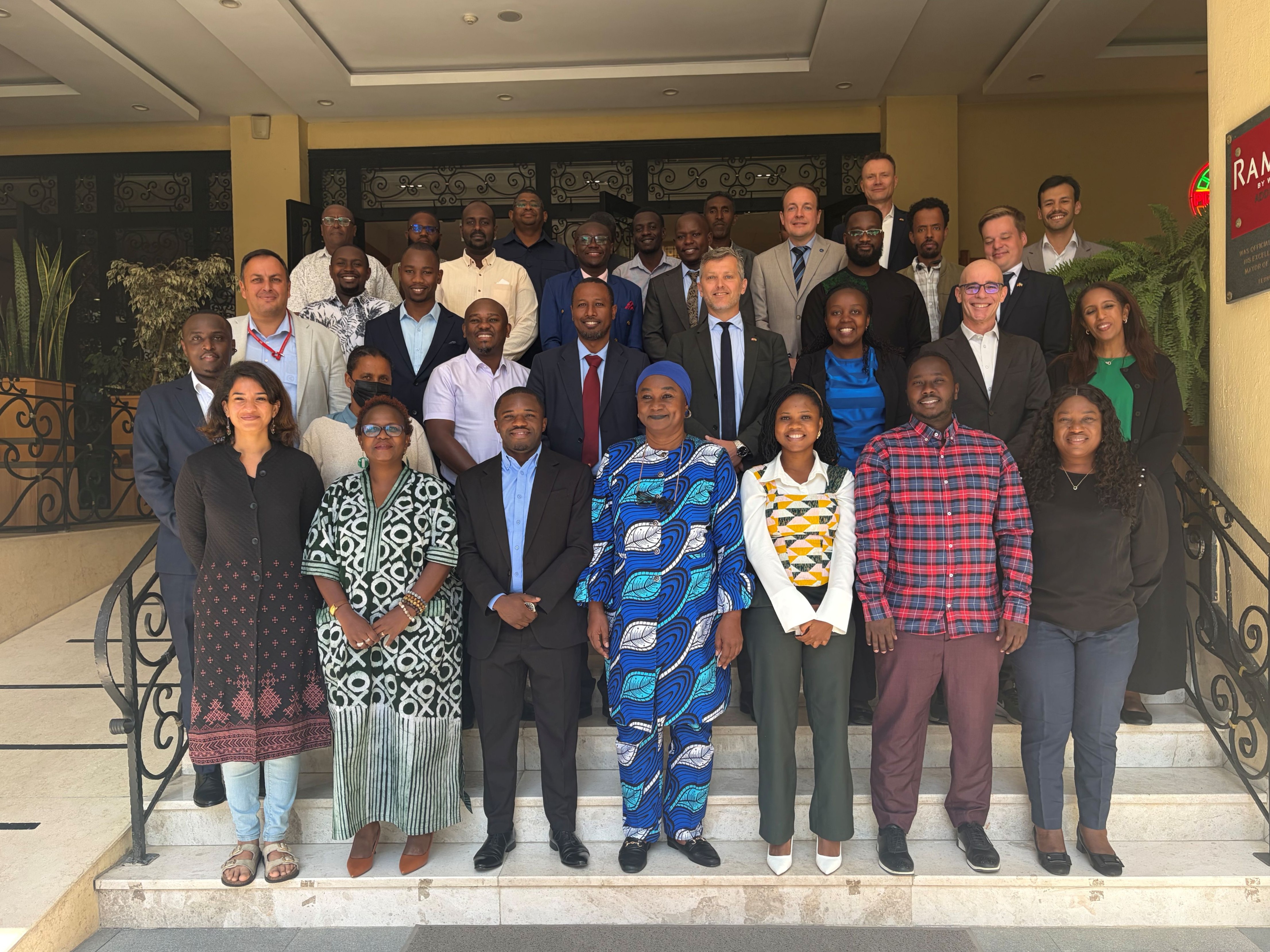
Building Africa's Renewable Energy Workforce: The Role of Common Training Standards
GWO recently joined renewable energy leaders, policymakers and training experts in Addis Ababa to explore how training standards can close skills gaps, strengthen local capabilities and support Africa's energy transition.
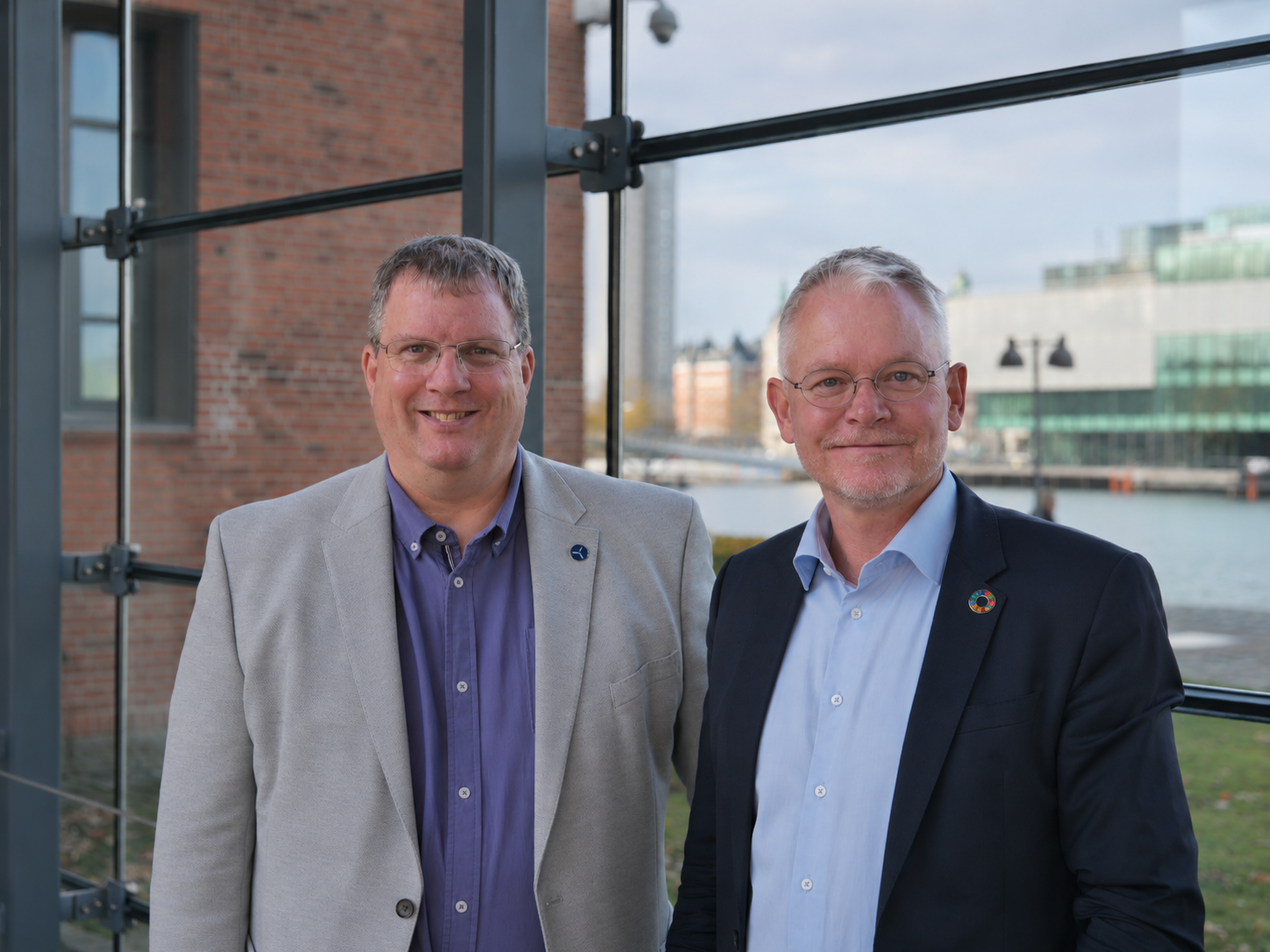
GWO Welcomes David Goodfellow as New Board Member
David Goodfellow of Nordex Group joins the GWO Board of Directors and the GWO Audit & Compliance Committee as Vice Chair.
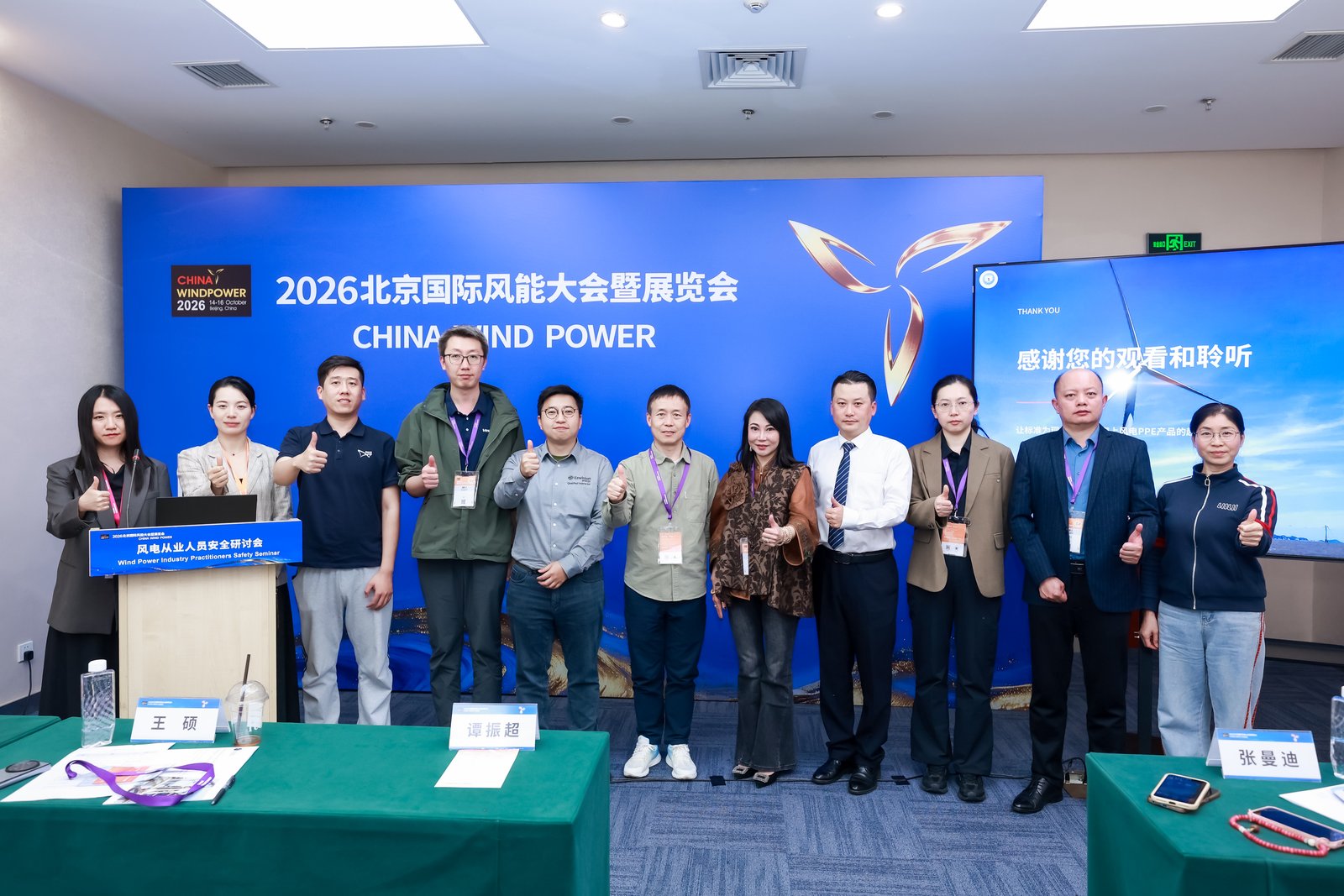
Safety and Skills Development on Show at China Wind Power 2026
GWO recently contributed to discussions on workforce safety and skills development at the 2026 Wind Power Industry Practitioners Safety Seminar, held alongside China Wind Power (CWP).