Mapping the Workforce Shift: France’s Wind Ambitions Will Require Training Capacity to Scale
As the fourth-largest wind market in Europe, France is advancing its offshore wind ambitions while seeking to stabilise onshore deployment.
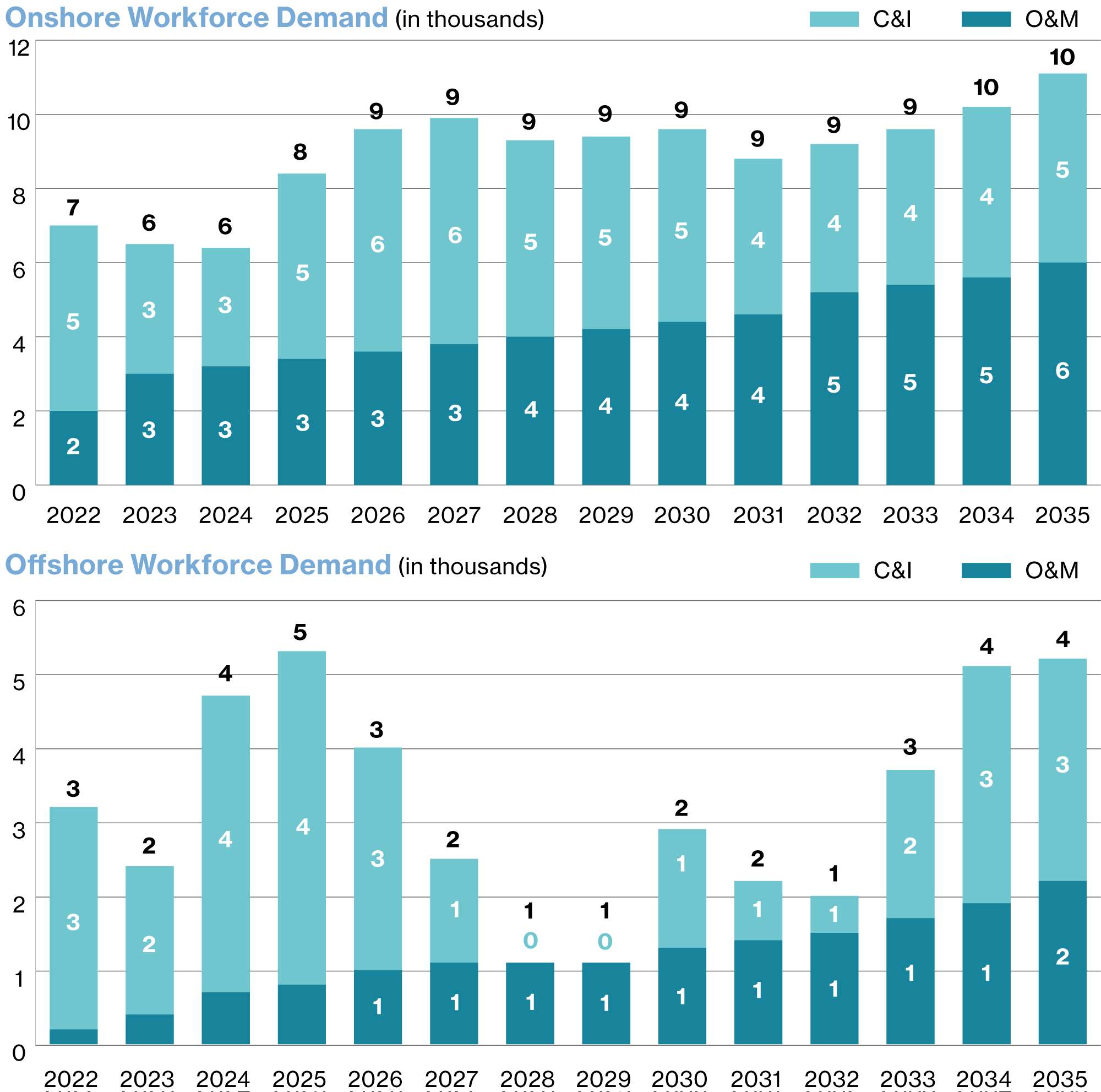
In June 2026, the French government announced a call for tenders in the Official Journal of the European Union, setting in motion a process to acquire development rights for eleven offshore wind projects generating more than 10 GW of new capacity. This development is just a snapshot of the French wind market. According to the Global Wind Workforce Outlook 2025-2030, published in collaboration with the Global Wind Energy Council, France is continuing to make headway in driving its onshore and offshore wind industry forward, with workforce needs across the construction, installation, operations, and maintenance phases of projects set to rise accordingly. While lengthy permitting processes, supply-chain roadblocks, and competition for skilled labour all play a role in slowing the progress of planned projects, preparing the workforce now for scaling up remains paramount to avoid bottlenecks during the peak installation phases in the years to come.
Workforce Planning as Key to Scaling
The publication of France’s third Multiannual Energy Programme (PPE3) framework in February 2026 set the energy policy direction for the next decade. Calling for a total of 15 GW of offshore wind capacity for installation by 2035, the latest PPE shows an unambiguous prioritisation of renewables on the part of the French government, including offshore wind, as this ambition to increase offshore capacity by 7.5 times the country’s current level reflects. And yet as the Global Wind Workforce Outlook 2025-2030 outlines, development remains constrained by permitting and legal constraints, particularly in relation to onshore wind legislation. As a result, these challenges impact the country’s ability to scale workforce and training in accordance with future wind projects. What’s clear is that workforce planning, even in these conditions, will be central to ensuring that supply matches demand up to 2035.
Developing the Next Generation of Technicians Through Partnerships
More than 31,000 people work directly and indirectly in the wind industry,according to the latest Global Wind Workforce Outlook, and that number is set to increase by 2030. Alongside the national presence of GWO training, several organisations have benefitted from establishing partnerships to align new courses with the needs of wind industry skills for the energy transition. One such example is EDF Renouvelables’ launching a master’s programme in Energy with the École des Ponts et Chaussées in 2024 to train engineers within the area of renewables. Strengthening the provision of a variety of pathways into wind and scaling up training through standardised pathways will remain essential in ensuring the workforce can meet demand, as project construction accelerates beyond 2030.
Want to discover more about workforce demand in the Europe region?
About GWEC
GWEC is a member-based organisation that represents the entire wind energy sector. The members of GWEC represent over 1,500 companies, organisations and institutions in more than 80 countries, including manufacturers, developers, component suppliers, research institutes, national wind and renewables associations, electricity providers, finance and insurance companies.
Find us at: https://gwec.net/.
Follow us on LinkedIn and Instagram.
Contact
Alex Bath, Communications Director, alex@bath.gwec.net
About GWO
GWO is a not-for-profit industry association founded and owned by its members who are drawn from globally leading renewable energy manufacturers, owners and operators. Our members strive for an injury free work environment, setting common international standards for safety training and workforce development. Since 2012, GWO training standards have become widely adopted by wind industry employers, seeking quality, safety and reassurance for their technicians in construction, installation, operations and maintenance around the world. GWO's 2025 Annual Report showed more than 190,000 technicians are trained according to GWO Standards.
GWO member companies
Acciona Energia, Avangrid, BayWa r.e, CGN Wind Power, Copenhagen Offshore Partners, CORIO Generation, CRRC, Dominion Energy, ENERCON, Envision, Equinor, Eurus Energy, FairWind, GE Renewable Energy, Global Wind Service, Goldwind, Muehlhan, The Nordex Group, Northland Power, Ocean Winds, Ørsted, Pattern Energy, Qair, RES Group, RWE Renewables, Shanghai Electric, Skyborn Renewables, Siemens Gamesa Renewable Energy, SSE, TAKKION, Vattenfall and Vestas.
Media Contact Details
Sara Bastholm, Head of Communications
sb@globalwindsafety.org
Featured stories

GWO Appoints Alex Øbell Nielsen as Network Development Manager for the Americas
Appointment of experienced professional will assist with furthering the adoption and availability of training standards in the Americas region.
.jpg)
GWO Appoints Morten V. Østergaard as Chief Financial Officer
The appointment of our first Chief Financial Officer (CFO) strengthens GWO's financial governance and provides a robust foundation for the next phase of transformation and growth

One week left to register for Forum ‘26
Don’t miss your chance to engage with the people and ideas shaping the future of the wind and solar industries.
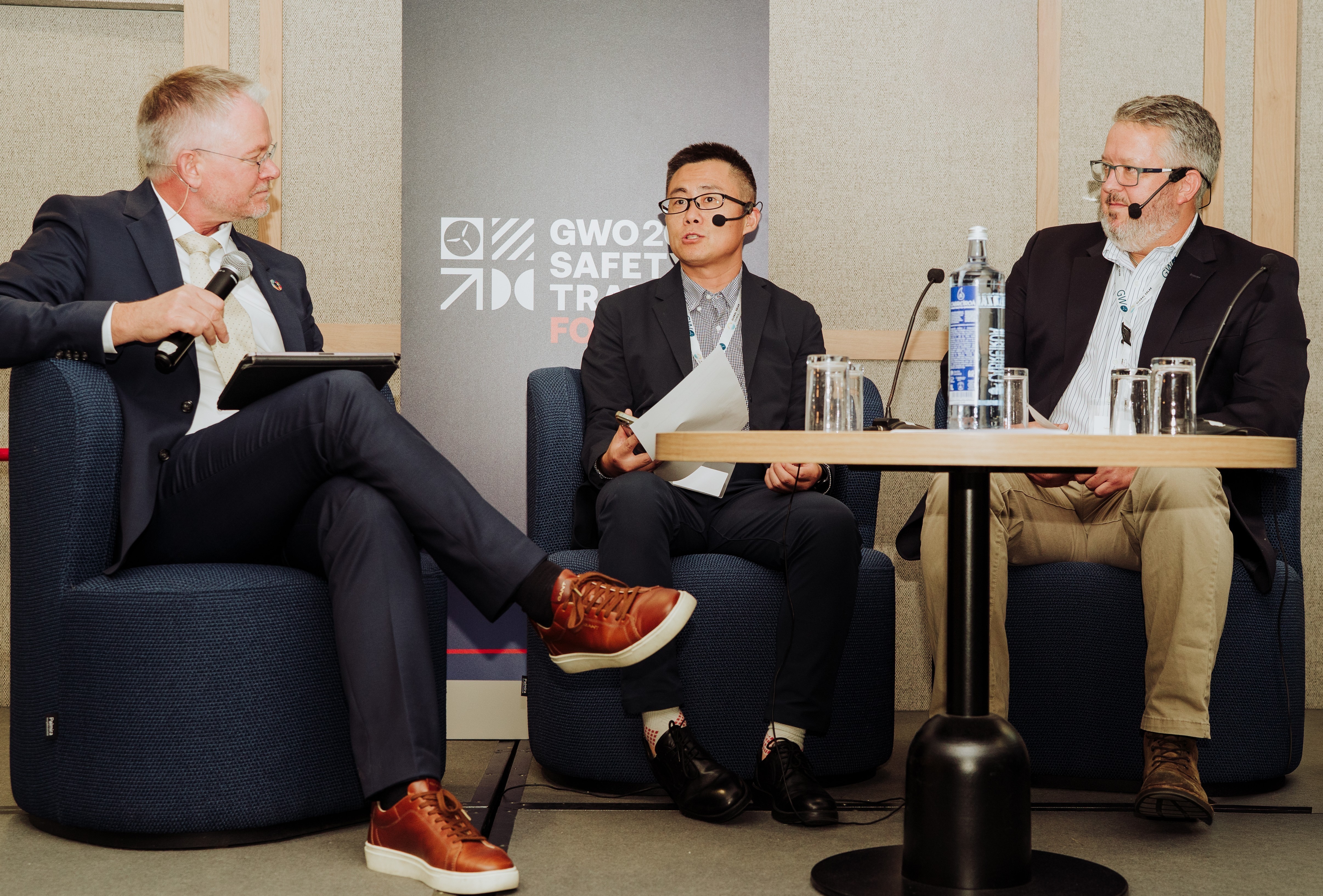
Strategy 2030: GWO Members’ Voices at Forum ’26
As we approach the GWO Safety & Training Forum & Awards 2026, learn more about what’s next for GWO’s workforce development agenda in the opening session of this year’s programme.

GWO Standards Update: Six-Month Grace Period Ends 10 September 2026
Important updates to GWO Training Standards come into full effect on 10 September 2026.
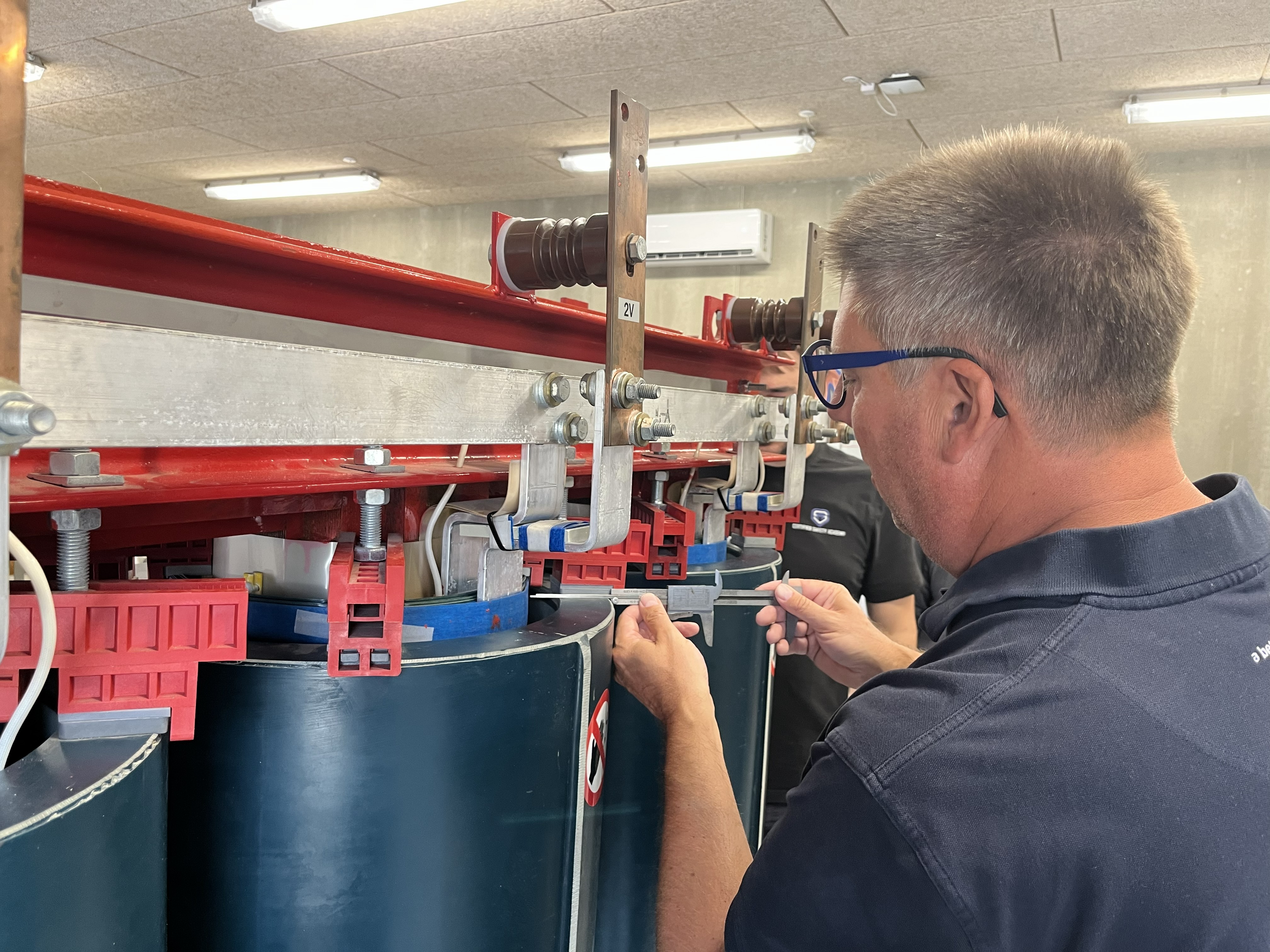
Final Round of Pilots for New High Voltage Modules Reaches Completion
GWO has completed the final pilot of its new High Voltage T-Connector Installation and Transformer Maintenance modules, with feedback from four pilots now set to inform the final training content ahead of release later this year.